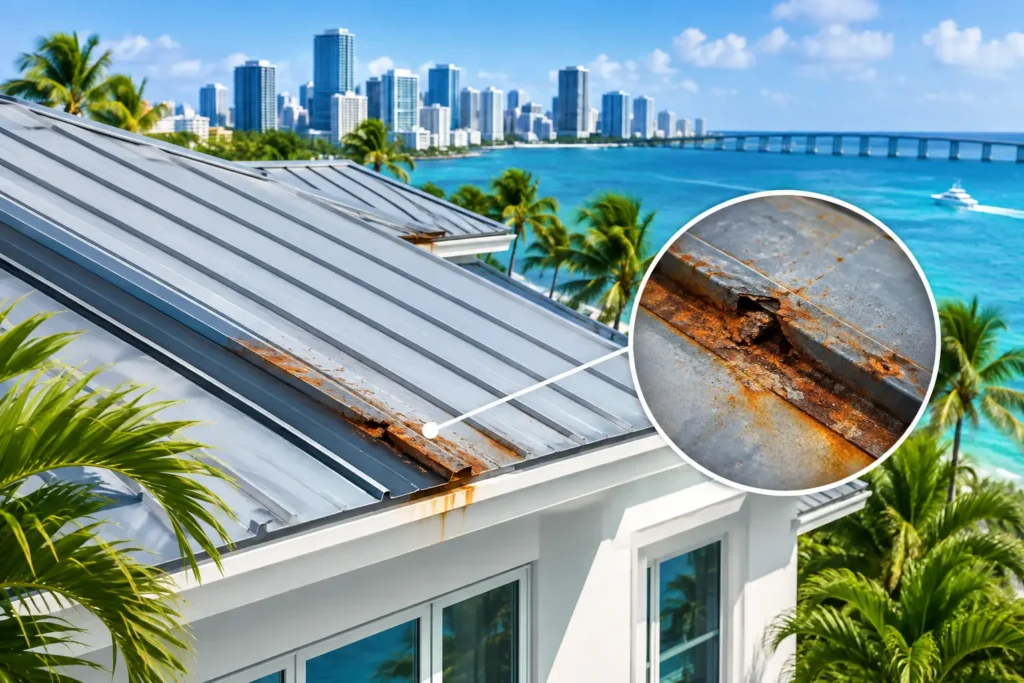
Salt air does not stay at the beach. In Miami, it travels inland, settles on roofs, and works its way into exposed metal, fasteners, flashing, drains, and rooftop equipment. Coastal roof corrosion can begin as a small stain or a rusty screw head, then turn into a leak path when heavy rain and hurricane winds hit.
This is one reason a roof that looks fine from the ground can still have serious weak points. South Florida roofs face heat, UV exposure, humidity, wind-driven rain, and airborne salt at the same time. A repair that might hold up in a dry inland market can fail quickly here if the materials, installation details, and maintenance plan are not built for coastal conditions.
What Coastal Roof Corrosion Does to a Roof
Corrosion is more than an appearance problem. When salt moisture lands on metal and stays there, it speeds up the electrochemical process that breaks down protective coatings and the metal underneath. High humidity keeps the process moving, even on days without rain.
On a residential tile or shingle roof, the first failure may be at the fasteners, pipe flashings, valley metal, vents, or chimney details. On flat commercial roofs, corrosion often shows up around edge metal, scuppers, drains, coping, HVAC supports, penetrations, and mechanical fasteners. These parts are critical because they manage water and secure the roofing system against wind.
Once metal begins thinning, cracking, or separating from its protective coating, water can get behind it. That is when a small corrosion issue becomes a damaged underlayment, wet insulation, interior staining, mold risk, or deck deterioration. The visible rust is often only part of the story.
Why Miami Roofs Are at Higher Risk
Properties closest to Biscayne Bay or the Atlantic usually see the heaviest salt exposure, but coastal roof corrosion is not limited to beachfront buildings. Miami-Dade humidity and wind patterns can carry salt well beyond the shoreline. The roof’s design, surrounding trees, building height, and maintenance history all affect how quickly it happens.
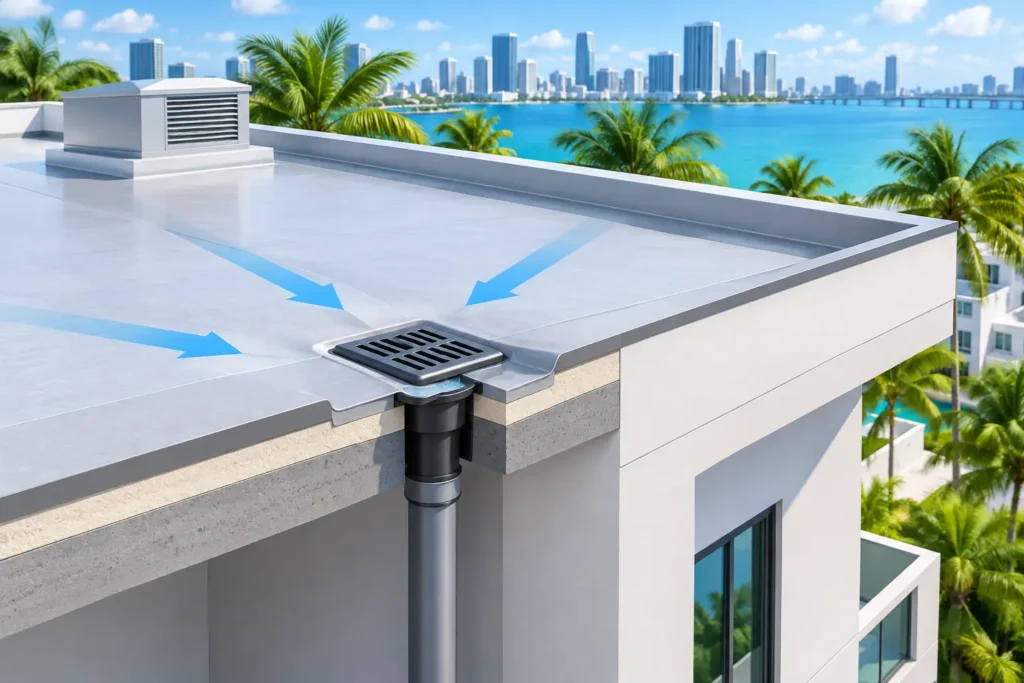
Flat roofs are especially vulnerable where standing water collects near drains or low areas. Salt residue concentrates as water evaporates, and debris can hold moisture against coated metal for long periods. A clogged drain or neglected scupper can create a corrosion zone that gets worse after every storm.
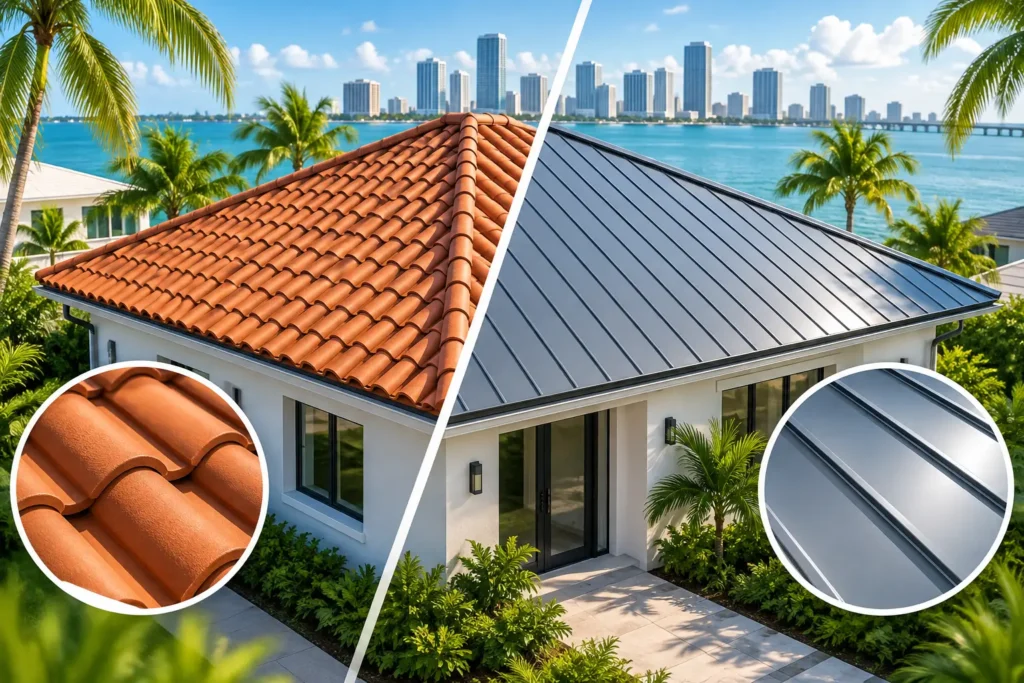
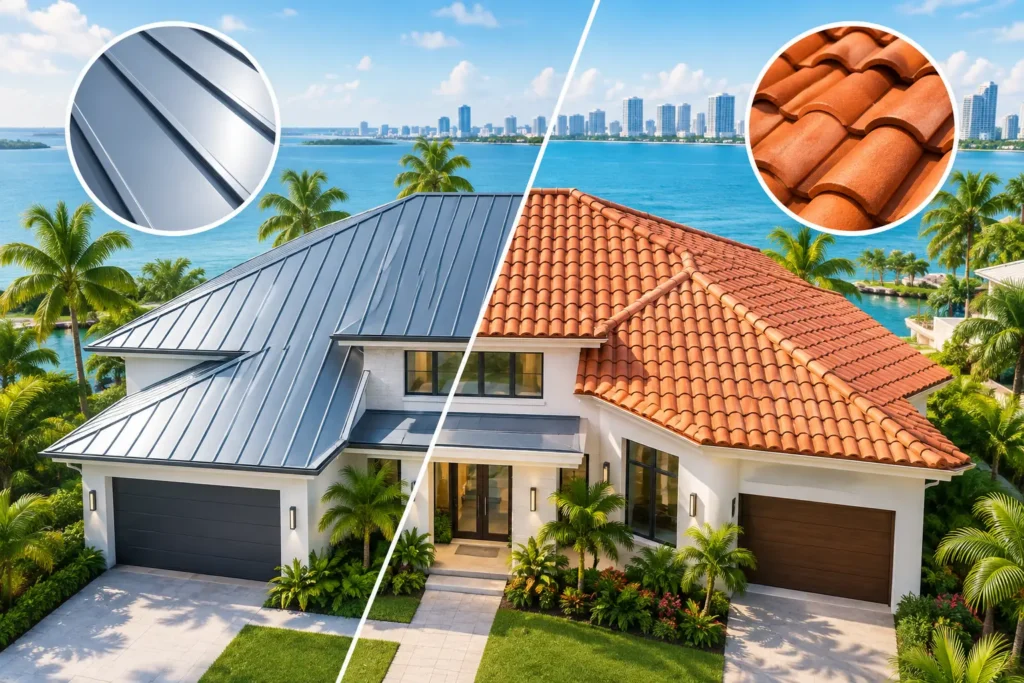
Metal roofs can perform very well in South Florida, but only when the system is selected and installed correctly. Coastal-rated panels, compatible fasteners, properly detailed transitions, and clean drainage matter. Using a lower-grade screw, mismatched metal, or inadequate coating to save money up front can create repair bills later.
Hurricane conditions add another layer of risk. Wind-driven rain forces moisture into small gaps around fasteners and flashing. If corrosion has weakened those components, they are less likely to hold when the roof needs to perform at its best.
The Warning Signs Property Owners Should Not Ignore
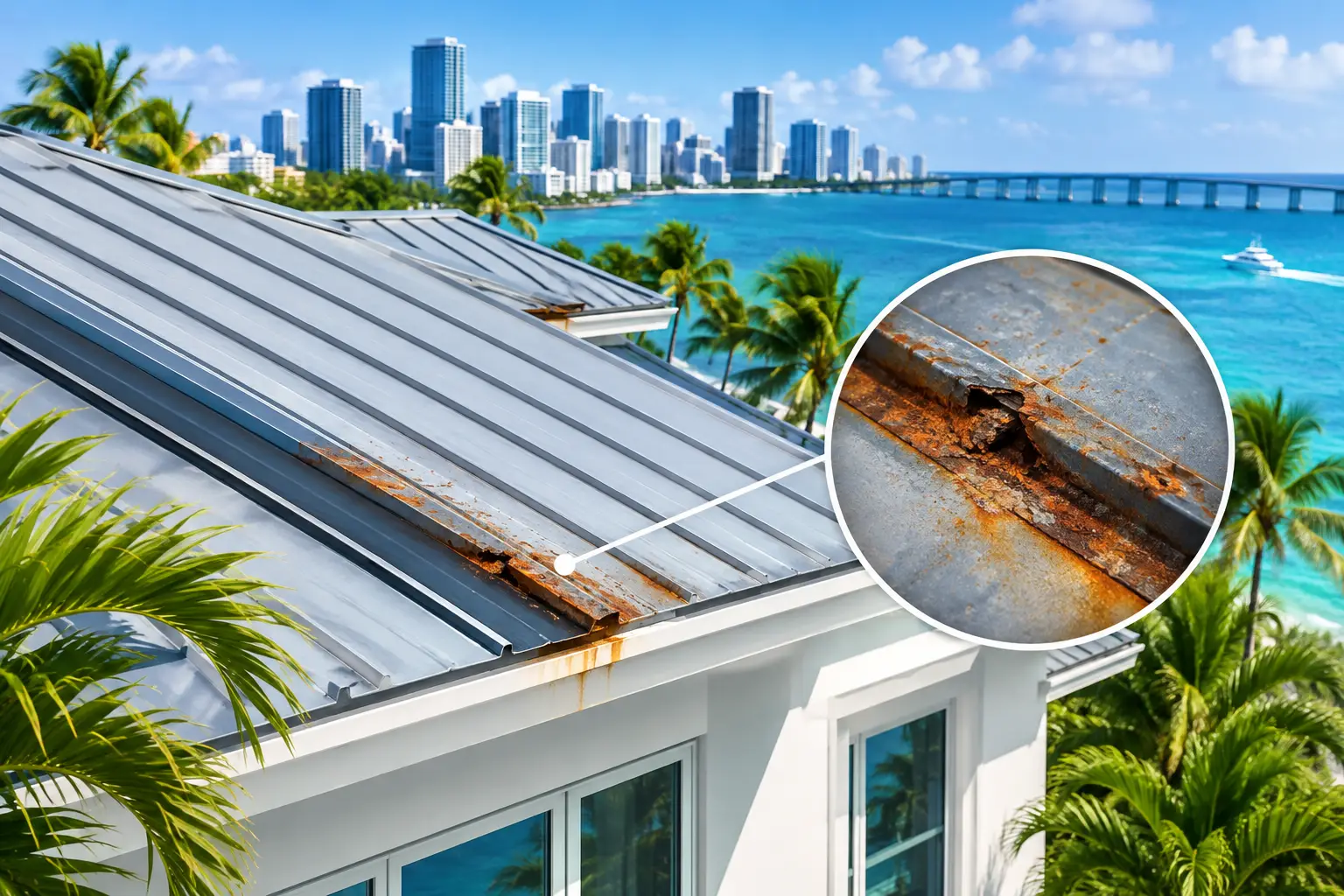
Rust is the obvious sign, but it is not the only one. Look for bubbling or peeling paint on metal components, white powdery oxidation on aluminum, streaks below roof edges, corroded screw heads, loose flashing, or stains around vents and skylights.
Inside the building, a musty smell, ceiling discoloration, peeling wall paint, or water marks near exterior walls may point to a roof detail that has corroded and started leaking. Commercial property managers should also watch for ponding water, loose coping caps, stained parapet walls, and rust around rooftop equipment supports.
Do not assume that a small brown spot means the damage is minor. On a low-slope roof, a rusted drain bowl or scupper can affect a large area of the roofing assembly. On a tile roof, one compromised flashing detail can send water beneath multiple rows of tile.
A professional inspection should include close-up photos of the affected areas, not just a general statement that the roof has “normal wear.” Clear documentation helps owners understand what is failing, why it is failing, and whether a focused repair is enough.
Materials Matter, but Details Matter More
Not all metal handles salt air the same way. Galvanized steel depends on its zinc coating for protection. Once that coating is worn, scratched, or damaged at cut edges, rust can spread quickly. Painted or coated steel can last well when the finish is properly maintained, but it still needs regular inspection in Miami.
Aluminum does not rust like steel, but it can oxidize and corrode in the wrong conditions. It is also important to avoid direct contact between dissimilar metals. For example, using incompatible fasteners or allowing copper runoff to reach certain metals can trigger galvanic corrosion. This is a technical issue that often gets missed in low-cost repairs.
Stainless steel fasteners are frequently a better choice for coastal applications, but grade matters and so does installation. A quality fastener installed through a failed washer or into deteriorated decking will not solve the problem. The whole assembly has to work together.
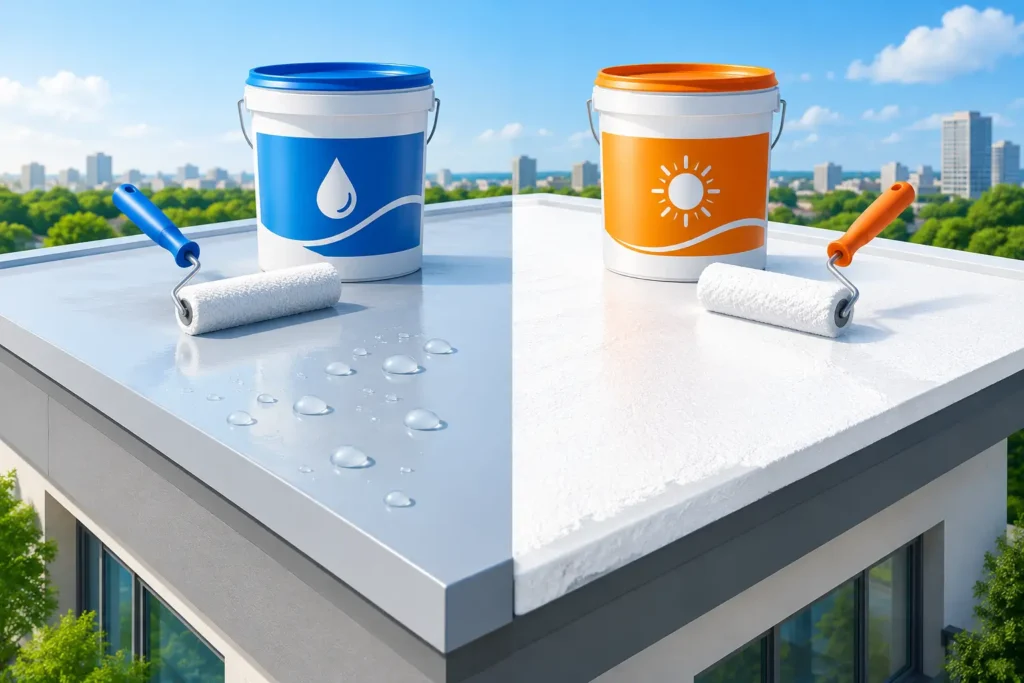
For roof coatings, preparation is just as important as the product. Coating over active rust, loose paint, wet substrate, or failed seams is a temporary cover-up. The corroded material must be cleaned, stabilized, repaired or replaced, and properly primed before a coating can protect the roof.
Repair or Replace? The Right Answer Depends on the Damage
A good contractor should not push replacement when a targeted repair will safely extend the roof’s life. If corrosion is limited to a few flashings, fasteners, edge details, or a localized drain area, it may be possible to remove the failed components, address the source of moisture, and install compatible coastal-grade materials.
Replacement becomes more practical when corrosion is widespread, the roof deck has been compromised, coatings are failing across large areas, or repeated repairs keep moving from one location to another. On an aging commercial roof, widespread edge-metal corrosion may be a sign that the membrane, insulation, drainage, and perimeter details all need a closer look.
The key is finding the root cause. Was water ponding because of poor slope? Are HVAC condensate lines draining onto the roof? Are incompatible metals touching? Were the original fasteners not rated for the environment? Without answering those questions, the same damage can return after a repair.
Maintenance That Slows Corrosion
Coastal roofs need more than a quick look after a hurricane. A practical maintenance plan includes inspections before and after storm season, clearing leaves and debris from drains, checking sealants around penetrations, and washing away salt residue where appropriate for the roof system.
Property owners should avoid pressure washing a roof unless the method is approved for the material. Too much pressure can strip protective coatings, dislodge granules, break tile, force water beneath shingles, or damage membrane seams. The goal is controlled cleaning and early correction, not aggressive washing.
For commercial buildings, keep a record of inspections, repairs, photographs, and areas where water tends to collect. That record makes it easier to spot repeat failures and budget for repairs before a leak disrupts tenants or operations.
Get Proof Before Approving a Repair
When corrosion is suspected, ask for photos, an explanation of the failed components, and a written scope that identifies the materials being used. “Seal it and see” is not a long-term plan for a Miami roof exposed to salt, heat, and storms.
Flash Roofing & Sheet Metal approaches corrosion repairs by looking beyond the visible stain or loose screw. The goal is to identify how water and salt reached the vulnerable area, correct the detail, and use materials suited to South Florida conditions. No mystery fees and no pressure, just clear information about what the roof needs.
A roof does not need to be near the shoreline to suffer salt damage. If you see rust, staining, loose metal, or a leak after heavy rain, address it while the repair can still be focused, documented, and done right the first time.