A Miami roof can look fine in the morning and be holding water by late afternoon. That reality is what makes silicone versus acrylic roof coatings more than a price comparison. The coating that works well on a dry, well-draining roof in another climate may fail early when exposed to South Florida rain, heavy UV, humidity, salt air, and constant temperature swings.
A roof coating can extend the useful life of a commercial flat roof, a low-slope residential roof, or certain metal and membrane systems. But it is not a cover-up for wet insulation, loose flashing, cracked seams, rusted metal, or an active leak with an unknown source. Do it once, do it right starts with determining whether the roof is actually a good candidate for restoration.
Silicone Versus Acrylic Roof Coatings in Miami
Silicone and acrylic coatings are both liquid-applied systems that cure into a protective, reflective surface. They can reduce heat absorption, protect the existing roof membrane from UV exposure, and help seal minor surface wear when the roof is properly prepared.
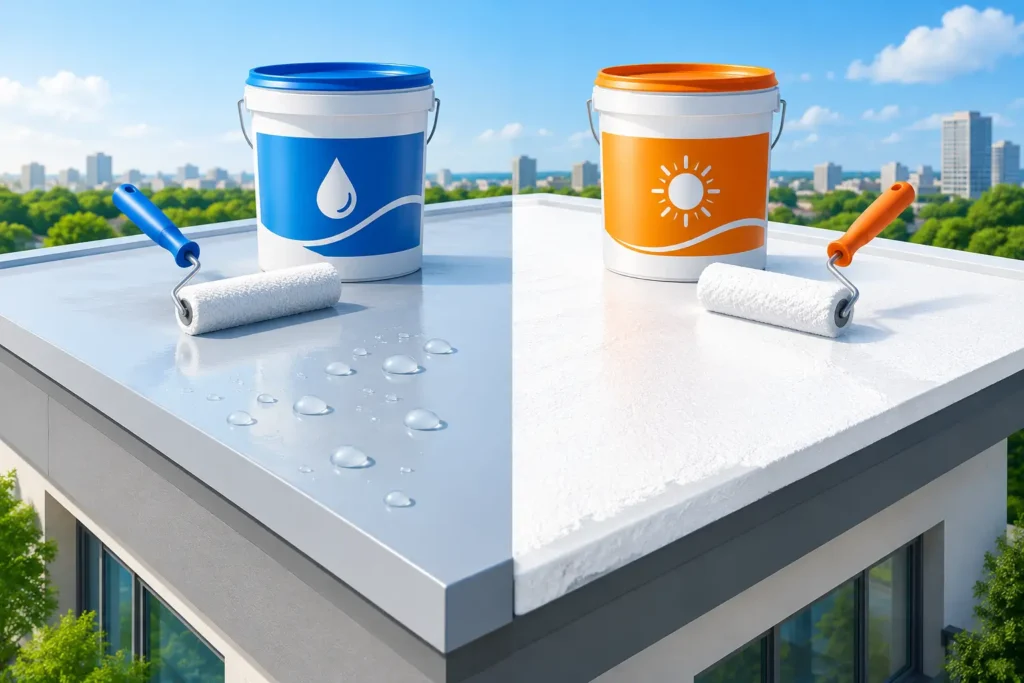
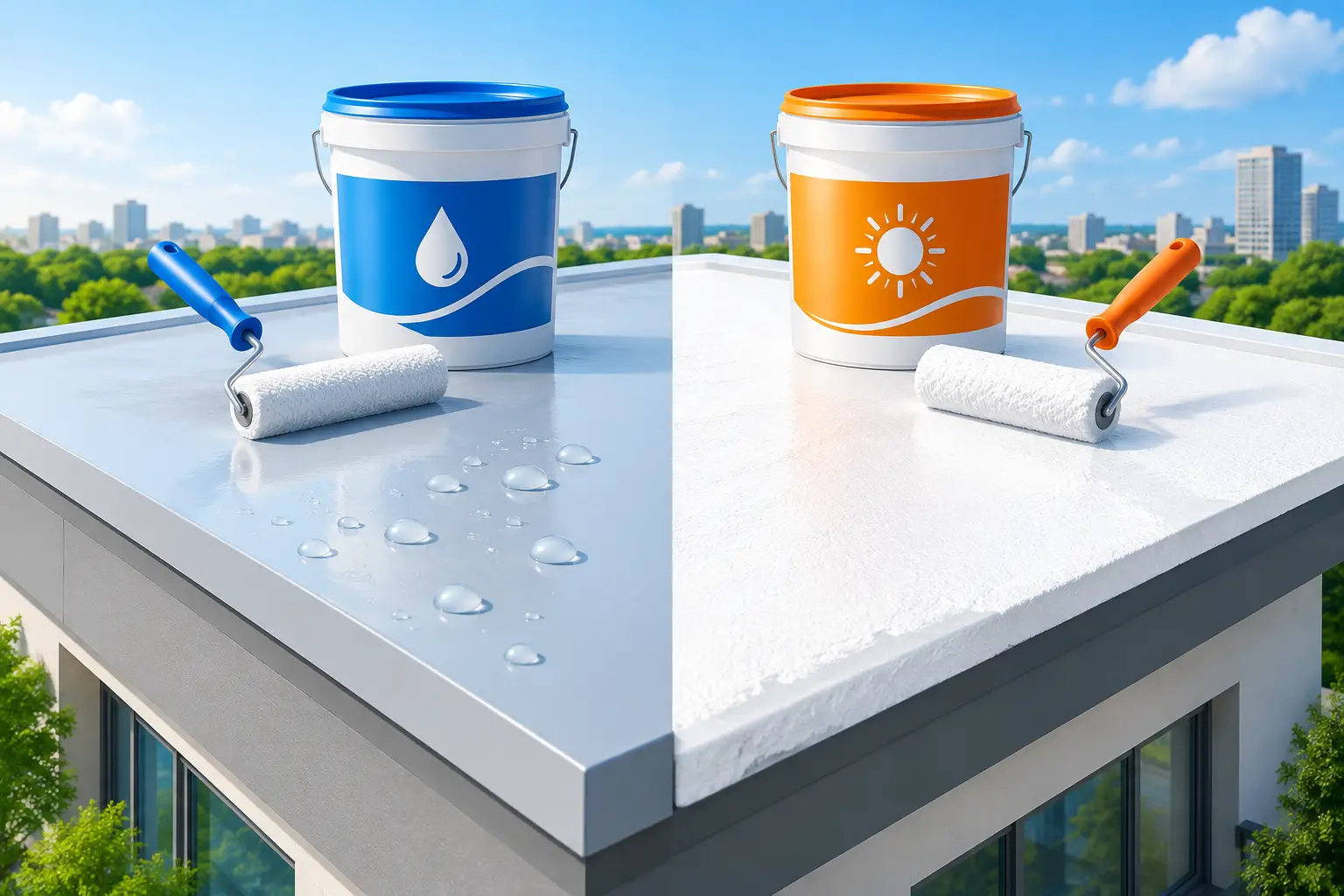
The big difference is how they handle water and weather during installation. Silicone coatings are moisture-cured and known for standing up well to ponding water. Acrylic coatings are water-based, typically lower in material cost, and can perform very well on roofs with positive drainage and a sound substrate. Acrylic needs sufficient dry time to cure, which can complicate scheduling during Miami’s rainy season.
Neither product is automatically “the best.” The right system depends on the roof’s drainage, existing material, surface condition, budget, building use, and the quality of preparation underneath it.
When Silicone Is the Better Roof Coating
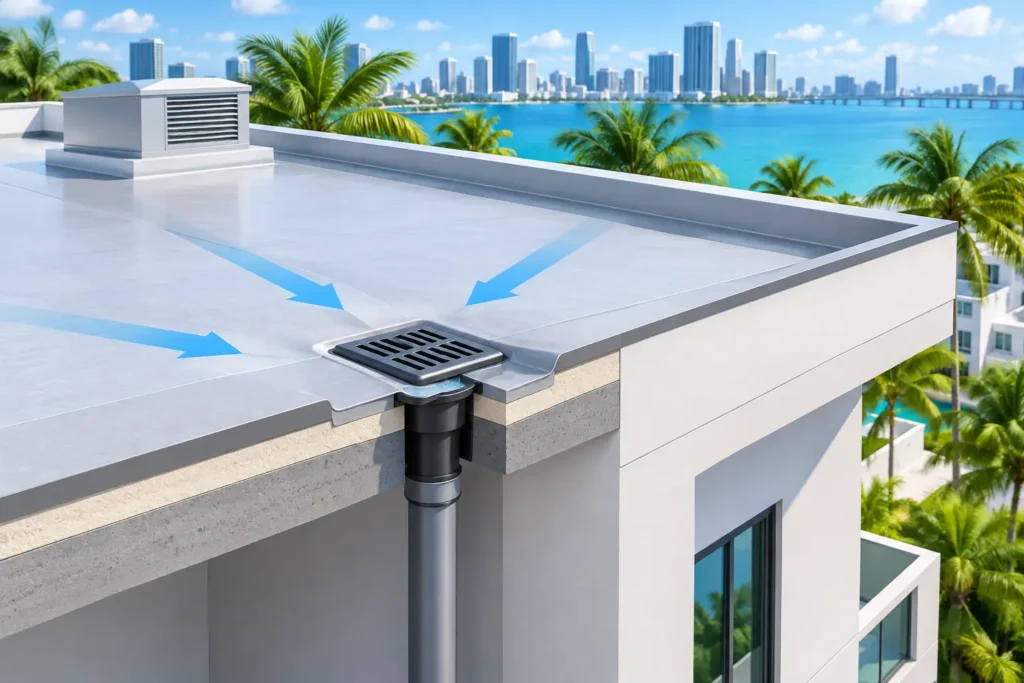
Silicone is often the stronger choice for a flat or low-slope roof where water tends to sit after rain. Ponding water is common on aging commercial roofs, especially around drains, scuppers, HVAC curbs, and areas where the structure has settled. Silicone is highly resistant to prolonged moisture exposure, which gives it a real advantage in these conditions.
It also performs well under intense UV. Miami sun is not gentle on roofing materials. A properly installed white silicone coating reflects sunlight and helps protect the roof surface from the daily heat load that can accelerate aging in many membranes.
Another practical benefit is installation timing. Because silicone cures with moisture in the air rather than relying on water evaporation, contractors may have more flexibility in humid conditions. That does not mean it can be applied carelessly in the rain or over a wet, contaminated roof. Surface preparation still matters. The roof must be clean, dry enough for adhesion, and repaired before the coating work begins.
Silicone does come with trade-offs. It is usually more expensive upfront than acrylic. Its surface can also attract and hold dirt over time, which may reduce some of its initial brightness and reflectivity. Recoating silicone later can require careful material selection and preparation because not every coating adheres well to an existing silicone surface.
For a roof with recurring ponding water, however, silicone’s higher initial cost can be easier to justify than repeated repairs or a coating that breaks down too soon.
Best uses for silicone
Silicone is commonly a good fit for low-slope roofs with drainage limitations, older single-ply membrane roofs that remain structurally sound, and metal roofs where seams and fasteners have been properly addressed. It can also be a practical restoration option for commercial properties that cannot tolerate frequent disruption from tear-off work.
The condition of the existing roof still controls the decision. If moisture is trapped below the membrane, the damaged areas need to be removed and repaired first. Coating over wet materials only traps the problem where you cannot see it.
When Acrylic Is the Better Roof Coating
Acrylic coatings are a strong option for roofs that drain well and can be installed during a dependable dry-weather window. They are water-based, widely used, and generally more budget-friendly than silicone systems. For property owners looking to restore an eligible roof without moving immediately to replacement, that lower cost can matter.
Acrylic also offers excellent reflectivity, particularly when fresh and clean. On a roof exposed to Miami’s direct sun, a bright white coating can help lower the roof surface temperature and reduce stress on the building’s cooling system. Actual energy savings depend on insulation, air conditioning use, building design, and the condition of the entire roof assembly, so no honest contractor should promise a fixed number before evaluating the property.
The main limitation is standing water. Acrylic coatings are not usually the first choice for areas that remain wet for long periods. Continuous ponding can soften or weaken the coating over time, leading to premature wear. On a roof with good slope, functioning drains, and no recurring water accumulation, acrylic can provide dependable performance at a lower upfront investment.
Acrylic installation also needs planning around the forecast. Miami’s summer afternoons can bring quick, heavy rain even when the morning starts clear. Since acrylic relies on water evaporation to cure, rain before proper cure time can damage the application. An experienced local roofing crew watches weather windows closely rather than applying material and hoping for the best.
Best uses for acrylic
Acrylic can make sense for a well-draining low-slope roof, a metal roof with sound fasteners and treated rust, or a roof restoration project where budget is a major factor and moisture management is under control. It is often effective on roofs that need better UV protection but do not have chronic ponding issues.
The key phrase is well-draining. If water remains in the same areas for days after a storm, the lower upfront price may not be the lower long-term cost.
The Roof Matters More Than the Coating Label
The wrong question is, “Which coating is better?” The better question is, “What is happening on this roof right now?”
Before recommending silicone or acrylic, a proper roof assessment should identify open seams, failed penetrations, soft spots, blistering, deteriorated flashing, clogged drains, corrosion, and signs of trapped moisture. On metal roofs, fasteners, laps, rust treatment, and sealant conditions deserve close attention. On modified bitumen, TPO, PVC, or other membrane roofs, adhesion testing and compatible primers may be necessary.
A coating system is only as reliable as the surface beneath it. Cleaning is not a cosmetic step. Dirt, chalking, grease, loose material, and biological growth can interfere with adhesion. Repairs need to be completed before coating starts, and detail areas such as drains, penetrations, corners, seams, and parapet transitions often need reinforcing fabric or additional coating thickness.
This is where low quotes can become expensive. A contractor may offer a cheap coating job by spraying a thin layer over a roof without correcting the weak points. It may look white and new for a while. The next major storm tells the real story.
Miami Conditions Change the Cost Calculation
In South Florida, roof coating decisions need to account for more than square-foot pricing. Salt air can speed up metal corrosion near the coast. High humidity can affect installation windows. Hurricane-season rain can expose poor drainage immediately. Intense UV can punish coatings that are too thin or not suited to the roof surface.
Silicone may cost more per square foot, but it can be the smarter long-term option on a roof with unavoidable ponding. Acrylic may offer better value on a roof with reliable drainage and a clear maintenance plan. In either case, the proposal should spell out the preparation work, repairs, primer requirements, coating thickness, detail treatment, and warranty terms.
Ask for photo documentation before, during, and after the work. You should be able to see the condition of seams, drains, flashings, rusted areas, and repaired sections, not just the finished white surface. Clear documentation helps property owners understand what they paid for and supports future maintenance decisions.
Coating Is Not Always the Right Answer
A coating can extend roof life, but it cannot correct every roofing problem. Full replacement may be the responsible recommendation when the deck has issues, insulation is extensively saturated, the membrane is badly deteriorated, wind uplift has compromised the assembly, or the roof has reached the end of its serviceable life.
This matters in Miami-Dade, where roof systems must face hurricane-force conditions. A reflective coating can protect the top surface, but it does not replace proper attachment, code-compliant flashing, drainage design, or a sound roof structure. If a roof has repeated leaks from failed details or widespread underlying damage, coating it may simply delay the necessary work.
At Flash Roofing & Sheet Metal, the recommendation should follow the evidence on the roof, not a one-size-fits-all sales pitch. A thorough inspection and honest quote give you a clearer path than choosing a product based on a generic online comparison.
If your roof holds water after storms, has visible wear, or is costing too much in repeat repairs, schedule an inspection before the next stretch of heavy weather. The right coating can protect a sound roof for years. The right repair or replacement can prevent a coating from becoming money spent twice.