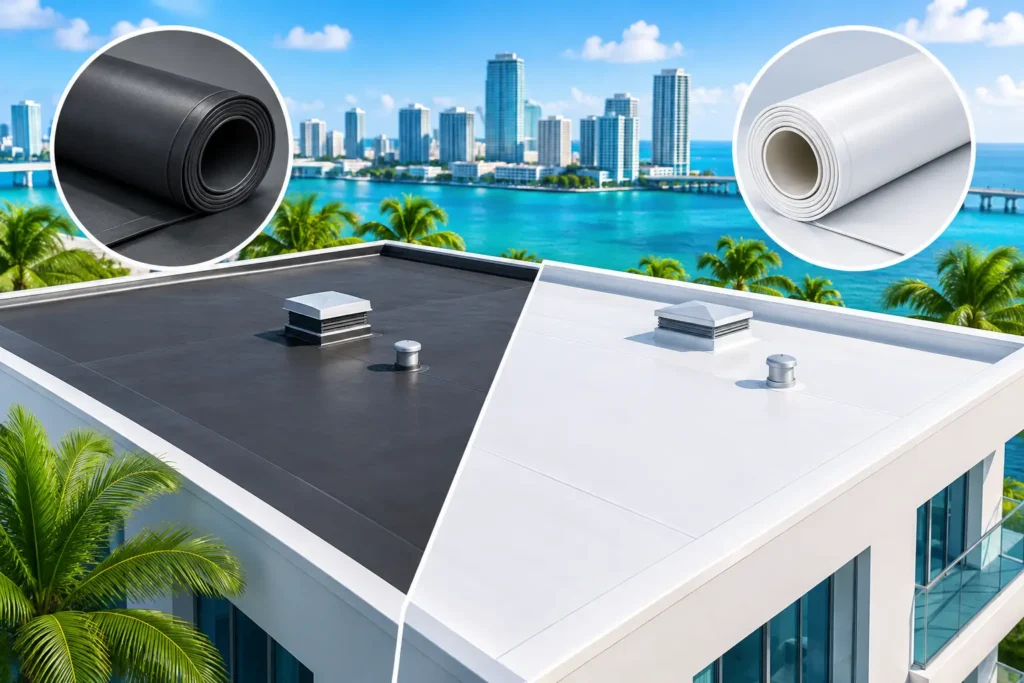
A shingle that lifts at the edge may look like a small problem from the ground. In Miami, it can become a leak path fast. Knowing how to repair wind lifted shingles starts with recognizing that wind damage is often more than one loose tab. Hurricane-force gusts, driving rain, intense UV exposure, and years of heat can weaken the shingles, the nails, and the underlayment beneath them.
The goal is not to press a shingle down and hope for the best. A lasting repair has to restore the roof’s water-shedding layers and address why the shingle released in the first place. Do it once, do it right.
What Wind-Lifted Shingles Are Telling You
Shingles are designed to overlap, shed water, and seal together along factory-applied adhesive strips. When wind gets under an edge, it can break that seal, pull nails upward, crease the shingle, or tear it completely off. Even when the shingle settles back into place after the storm, the bond may be gone.
That matters because a lifted shingle can allow wind-driven rain to move under the roofing surface. Water may travel along the underlayment or roof deck before appearing as a ceiling stain, which makes the actual entry point harder to find. In South Florida, repeated afternoon storms can turn a minor opening into rotted decking, damaged insulation, or interior moisture problems.
A single lifted shingle after a brief storm may be a localized issue. Several lifted shingles in the same area, missing tabs, exposed nail heads, or wrinkles near the ridge are different. Those signs can point to broader wind damage, poor fastening, aging materials, or a roof system that is reaching the end of its service life.
Check the Damage Without Making It Worse
Start from the ground. Look for missing shingles, exposed areas that appear darker than the surrounding roof, loose material in gutters or landscaping, and damage around roof edges, valleys, vents, skylights, and chimneys. These areas take more wind pressure and deserve close attention.
If you can safely view the roof from an upper window or use a camera from the ground, look for shingles that are raised, creased, split, or no longer lying flat. Do not walk a wet, steep, brittle, or visibly damaged shingle roof. One misplaced step can crack more shingles, and a fall is never worth the risk.
Inside the property, inspect the attic and upper ceilings for fresh water marks, damp insulation, peeling paint, or a musty smell. Take clear photos before moving debris or making temporary repairs. Documentation helps establish what happened and gives a roofing professional a better starting point. It can also be useful if you need to speak with an insurer.
When a Temporary Repair Makes Sense
After a storm, the immediate priority is stopping water from entering the building. If a shingle is fully missing and rain is expected, a properly secured temporary cover may help protect the exposed area until permanent work can be completed. This is a short-term measure, not a finished repair.
Avoid using loose tarps held down with bricks, pavers, or anything that can slide or become airborne. Do not drive nails through healthy shingles simply to hold a tarp in place. Those fasteners create new openings, especially if they are placed in the wrong part of the roof.
For a small, accessible area on a low-slope section of a shingle roof, an experienced person may be able to carefully resecure an unbroken shingle. But there is a trade-off: a shingle that has creased from wind lift has lost strength. Adhesive alone will not restore a damaged shingle, and coating the exposed edges with excessive roofing cement can trap water, interfere with drainage, and make later repairs harder.
If you see torn shingles, exposed underlayment, broken decking, or active leaking, call a licensed roofer rather than treating it as a do-it-yourself job. The safer choice is usually the less expensive one when it prevents hidden water damage.
How a Proper Wind-Lifted Shingle Repair Is Done
A professional repair begins with an inspection of the affected area and the surrounding roof field. The visible shingle is only part of the picture. A roofer should check nearby tabs, flashing, ridge caps, nail placement, deck condition, and the roof edge where wind uplift often begins.
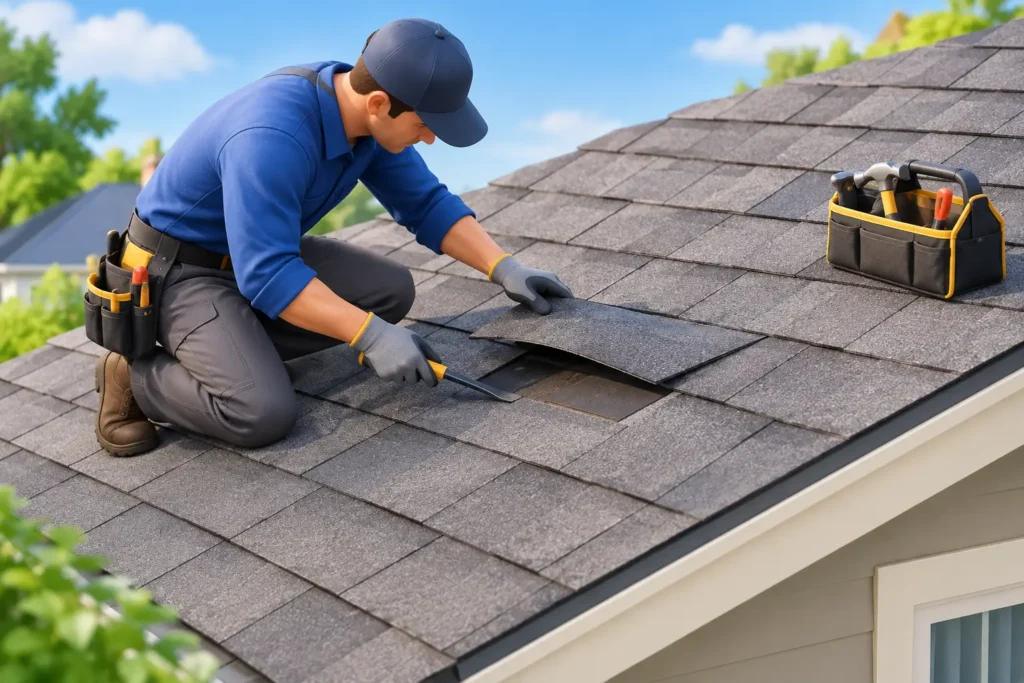
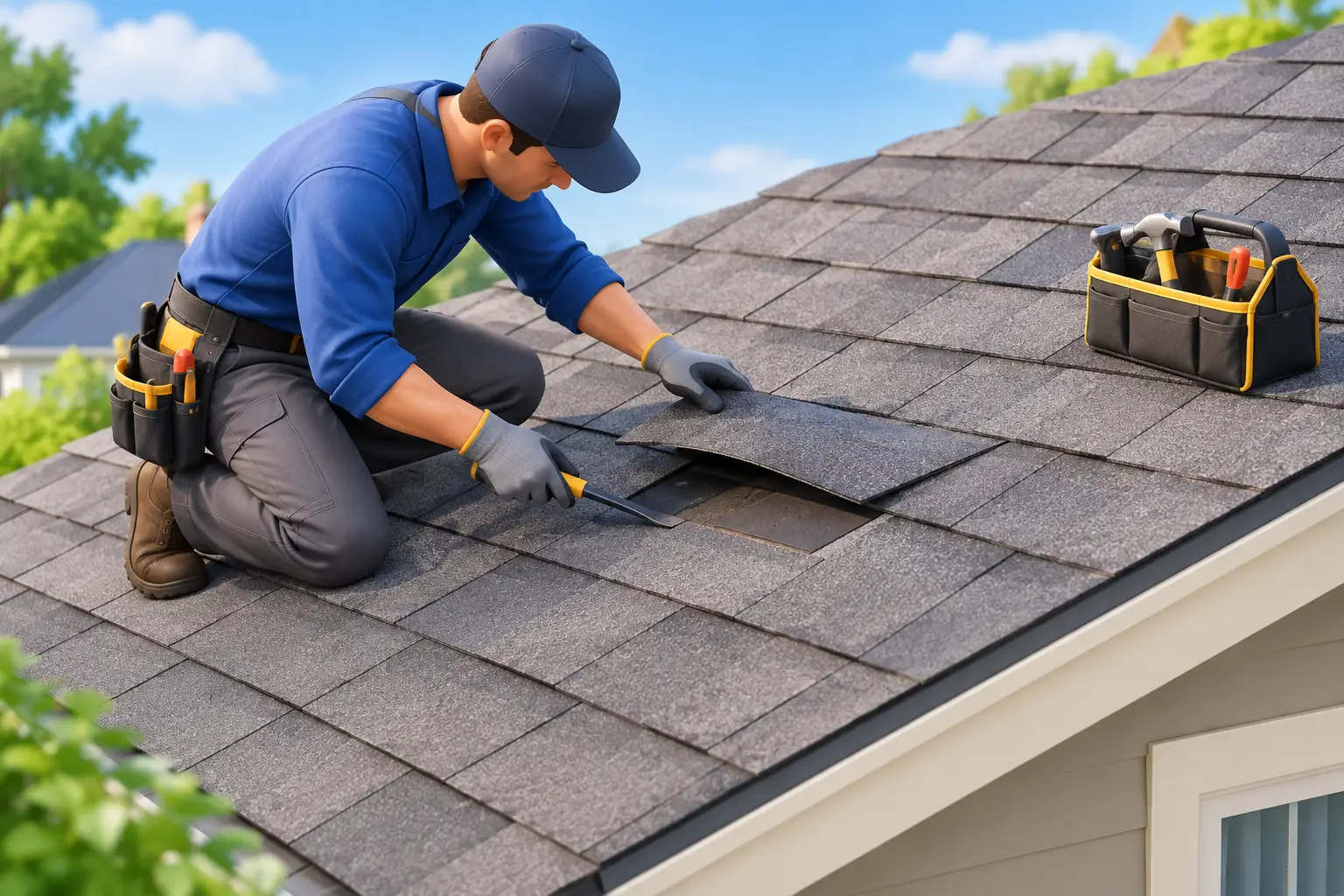
If the shingle is intact and has not creased, the repair may involve carefully lifting the surrounding tabs, correcting loose or backed-out fasteners, and resealing the manufacturer-approved adhesive area. If the shingle is cracked, torn, brittle, or distorted, replacement is usually the better answer.
Replacing a shingle requires more than sliding in a new piece. The damaged shingle must be removed without breaking the neighboring courses. The installer should inspect the underlayment and decking before installing the replacement. New shingles need correct overlap, properly placed corrosion-resistant fasteners, and secure sealing so they perform in high winds.
In Miami-Dade, materials and installation details matter. Salt air can accelerate corrosion. Heat can dry out aging shingles and weaken sealant strips. High-wind requirements mean fastener type, placement, and quantity cannot be guessed. A repair that looks fine on a calm day can fail during the next tropical system if those details are skipped.
Signs the Repair May Be Bigger Than One Shingle
A targeted repair is often the right call when damage is isolated and the rest of the roof is in good condition. Honest roofing advice means saying that a small repair does not always justify a replacement. But there are times when patching one spot is only delaying a larger problem.
Ask for a closer evaluation when shingles are lifting across multiple slopes, granules are collecting heavily in gutters, the roof has widespread cracking or curling, or leaks keep returning after previous repairs. Also pay attention to roof age. A repair can be sensible on a newer roof, while a roof near the end of its expected life may not hold new shingles reliably or may have underlayment deterioration that cannot be seen from the surface.
Property managers should also look at patterns. If multiple units report stains after the same storm, or if repairs have been made repeatedly around vents and perimeter edges, the building may need a broader condition assessment. Fixing root causes is more cost-effective than issuing work orders after every heavy rain.
Insurance, Photos, and Straight Answers
Storm damage can be stressful, especially when water has reached the interior. Keep records of the date of the storm, photos of visible damage, invoices for emergency mitigation, and any communication about the loss. Do not wait for a claim decision before preventing additional water intrusion. Most policies expect owners to take reasonable steps to protect the property from further damage.
A roofing inspection should give you clear information, not pressure. You should be able to see photos of the problem areas, understand whether the damage is isolated or widespread, and receive an honest explanation of the recommended scope. No mystery fees and no vague promises.
Flash Roofing & Sheet Metal approaches wind damage with South Florida conditions in mind. That means looking beyond the lifted tab to inspect the fastening, the seal, the underlayment, and the areas most exposed to wind and rain. A photo-documented inspection gives homeowners and building owners proof of what is actually happening on the roof.
Do Not Wait for the Next Storm
Wind-lifted shingles do not repair themselves. Sun may make them appear flat again, but the broken seal or damaged fastener can remain underneath. The next period of heavy rain may be the moment that hidden weakness becomes an interior leak.
If you spot lifted, missing, or creased shingles, document the condition and arrange a professional inspection before the next weather event. The right repair is the one that protects the roof system beneath the surface, not just the part you can see from the driveway.