
One of the most common questions homeowners ask is how long should a roof last. The answer depends on several factors, including roofing material, climate, installation quality, and maintenance. Understanding roof lifespan and roof life expectancy helps you plan repairs, replacements, and long-term home investments.
This guide breaks down the average roof life by material and explains what affects how long your roof will actually last.
What Determines Roof Lifespan?
While manufacturers provide estimated lifespans, real-world conditions often shorten or extend them. Key factors include:
- Roofing material type
- Local climate and weather exposure
- Installation quality
- Roof slope and ventilation
- Maintenance and inspections
While manufacturers provide estimated lifespans, real-world conditions often shorten or extend them. Key factors include:
Average Roof Life by Material

Below is a breakdown of average roof life by material, based on industry standards and real-world performance.
Asphalt Shingle Roof
- Roof life expectancy: 15–30 years
- 3-tab shingles: 15–20 years
- Architectural shingles: 25–30 years
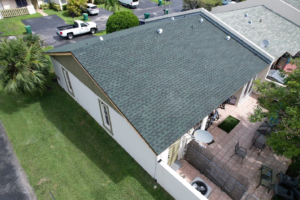
Asphalt shingles are the most common roofing material due to affordability, but extreme heat, storms, and poor ventilation can reduce lifespan.
Metal Roof
- Roof lifespan: 40–70 years
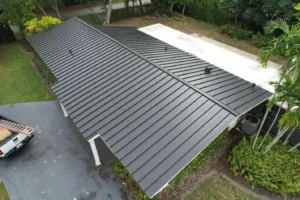
Metal roofs are highly durable, resistant to wind and fire, and require minimal maintenance. Proper coating and installation are critical to longevity.
Tile Roof (Clay or Concrete)
- Roof life expectancy: 40–75 years
Tile roofs last significantly longer than shingles but require strong structural support. Underlayment replacement may be needed before the tiles themselves wear out.
Slate Roof
- Roof lifespan: 75–100+ years
Slate is one of the longest-lasting roofing materials available. While expensive upfront, it offers unmatched durability when properly maintained.
Wood Shake or Shingle Roof
- Roof life expectancy: 20–40 years
Wood roofs offer natural aesthetics but require regular maintenance and are more vulnerable to moisture, insects, and fire without proper treatment.
Flat Roof Systems (TPO, Modified Bitumen, Foam)
- Roof lifespan: 15–30 years
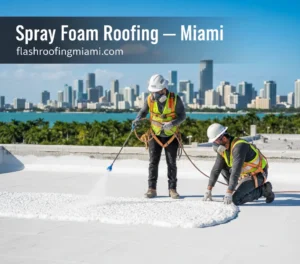
Flat roofs vary widely depending on material and maintenance. Regular inspections and recoating can significantly extend service life.
Roof Lifespan Comparison Table

Roofing Material
- Asphalt Shingles
- Metal Roofing
- Tile Roofing
- Slate Roofing
- Wood Shake
- Flat Roofing Systems
Average Roof Life
- 15–30 years
- 40–70 years
- 40–75 years
- 75–100+ years
- 20–40 years
- 15–30 years
How Climate Affects Roof Life Expectancy
Climate plays a major role in roof life expectancy:
- Hot climates: Accelerate shingle aging and cracking
- Storm-prone areas: Increase wear from wind and debris
- High humidity: Raises risk of mold and rot
- Salt air (coastal areas): Can corrode metal components
Choosing the right material for your environment is critical to maximizing lifespan.
Signs Your Roof Is Near the End of Its Life
Even if your roof hasn’t reached its expected age, watch for warning signs such as:
- Curling, cracked, or missing shingles
- Frequent leaks or water stains
- Sagging roof sections
- Excessive granule loss
- Mold or algae growth
These issues often indicate it’s time for repairs—or a full replacement.
How to Extend Your Roof’s Lifespan

You can significantly increase how long your roof lasts by:
- Scheduling annual roof inspection
- Fixing small issues early
- Keeping gutters clean
- Ensuring proper attic ventilation
- Addressing storm damage promptly
Preventive maintenance costs far less than early replacement.
Final Thoughts: How Long Should a Roof Last?
So, how long should a roof last? Depending on the material, anywhere from 15 years to over 100 years. Understanding roof lifespan, choosing the right material, and maintaining it properly ensures your roof protects your home for decades.