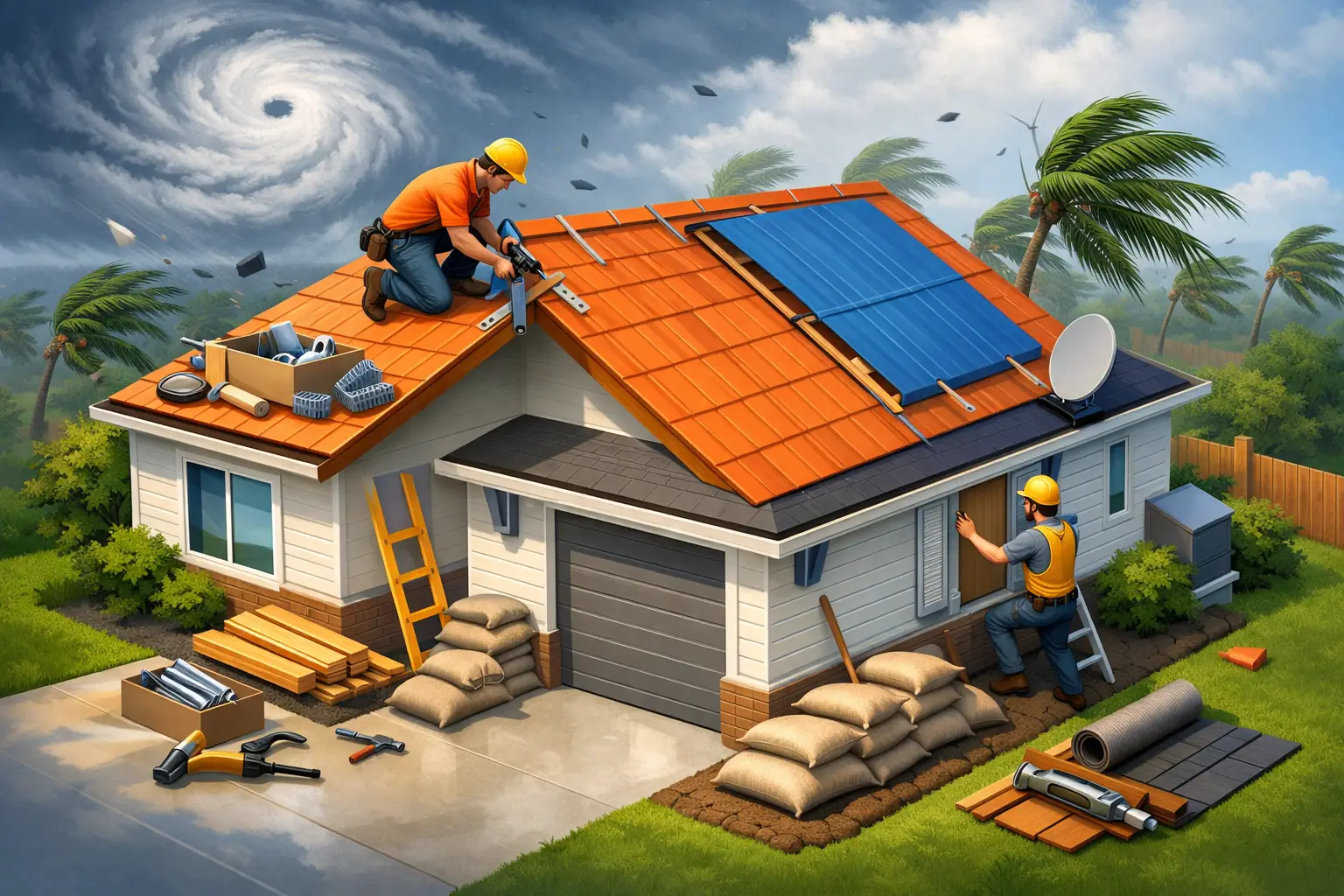
The difference between a roof that holds and a roof that fails during a hurricane usually starts long before the forecast cone shows up on your phone. In South Florida, waiting until a storm is named is how small roofing issues turn into interior water damage, insulation loss, mold, and expensive emergency repairs. If you want to know how to prepare roofs for hurricanes, the real answer is simple: find weaknesses early, fix them correctly, and make sure every part of the system can handle wind-driven rain, uplift, and flying debris.
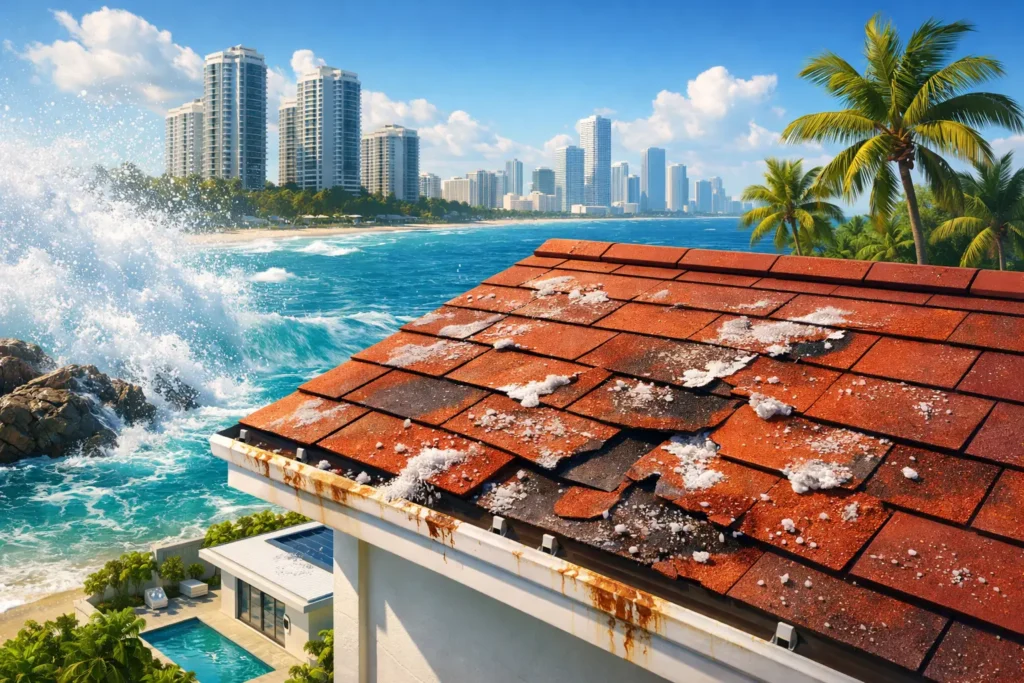
That matters in Miami because roofs here do not just deal with wind. They deal with heat that dries and cracks materials, salt air that corrodes metal, and heavy moisture that exposes every weak seam and fastener. A roof can look fine from the ground and still be one storm away from failure.
How to prepare roofs for hurricanes in Miami
Hurricane prep is not one task. It is a series of checks and repairs that work together. The roof covering matters, but so do the flashing details, edge securement, drainage, and the condition of anything mounted on the roof.
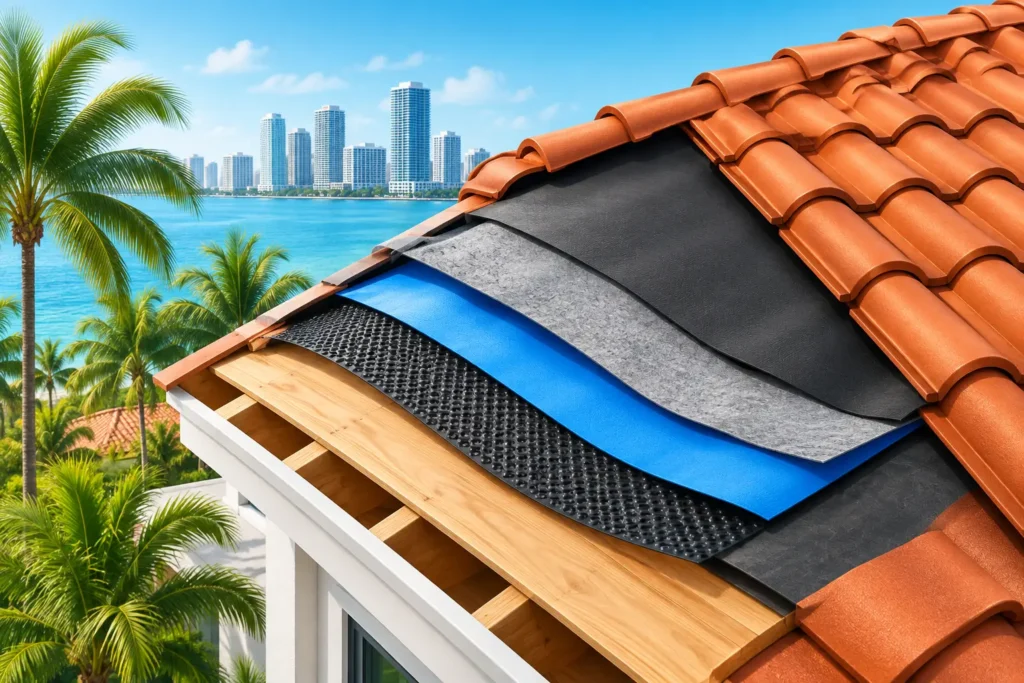
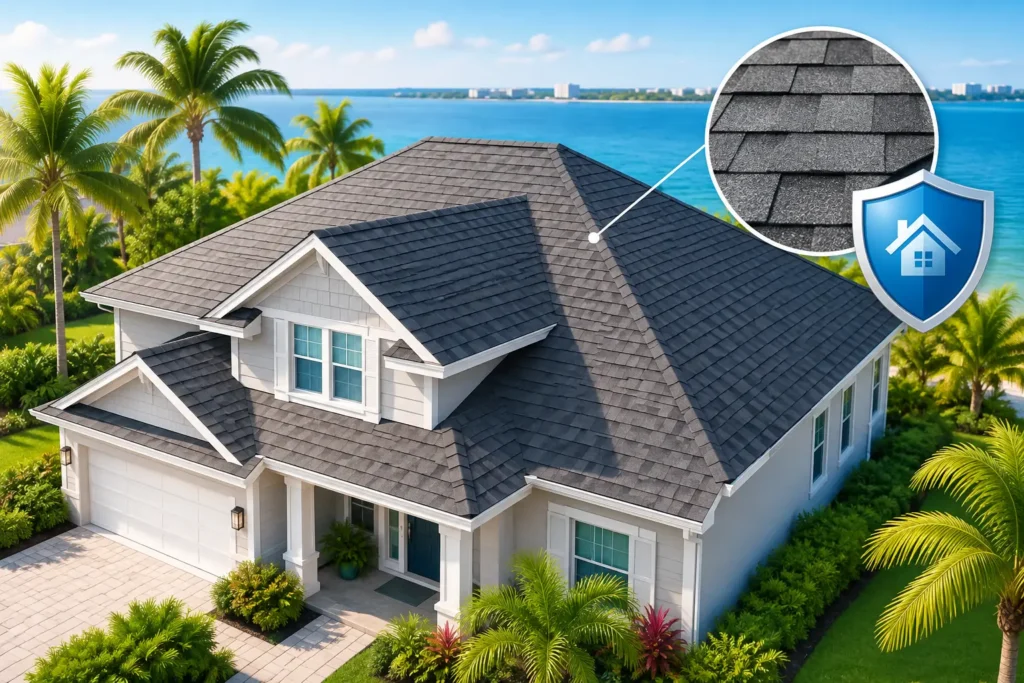
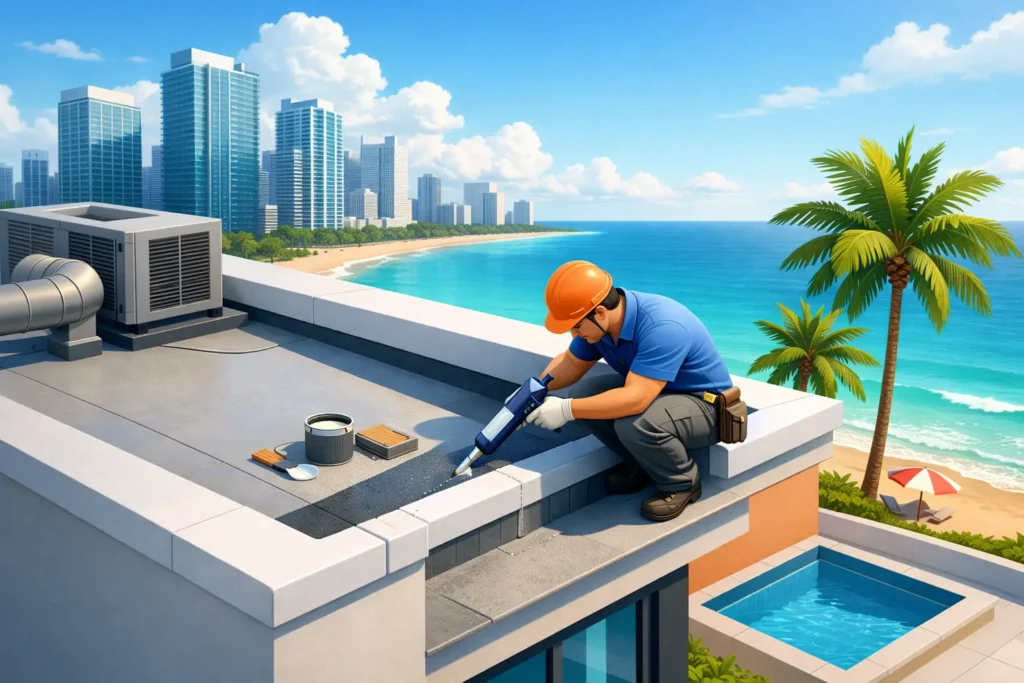
The first step is a real inspection, not a quick glance from the driveway. On shingle roofs, loose tabs, lifted edges, missing granules, exposed nails, and soft decking areas are warning signs. On tile roofs, cracked tiles, slipped pieces, and deteriorated underlayment matter more than many owners realize. On flat and low-slope systems, open seams, punctures, ponding areas, and weak perimeter edges are where problems usually start.
If your roof is older, this inspection matters even more. Age does not automatically mean failure, but older systems have less margin for error once wind pressure builds. A ten-year-old repair done poorly can be a bigger hurricane risk than an older roof maintained the right way.
Start with the roof covering and attachment
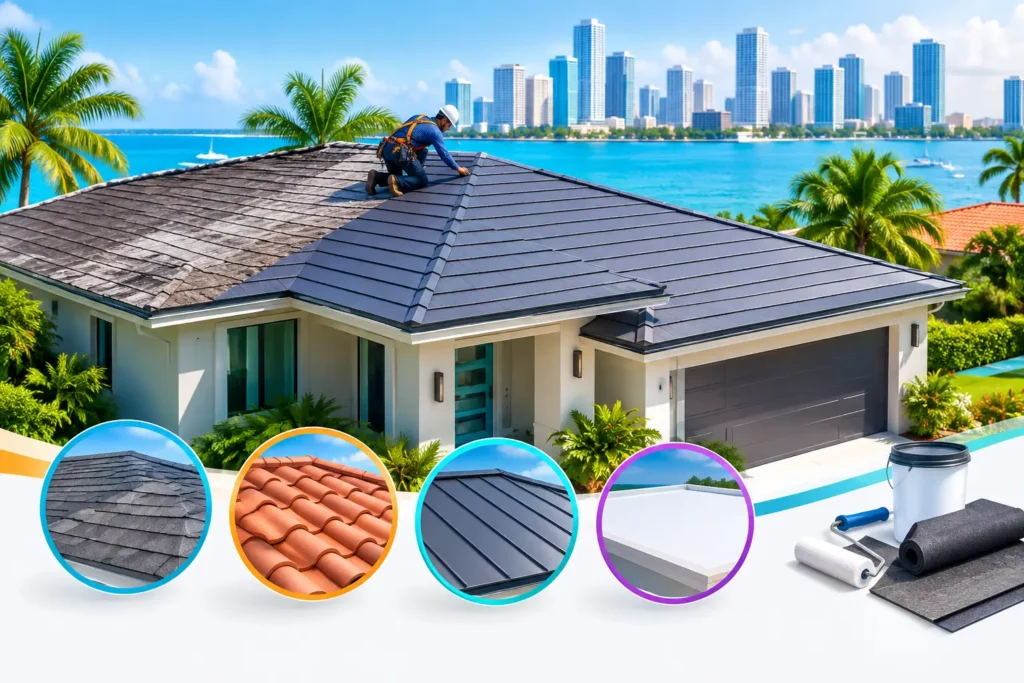
Different materials fail in different ways. Shingles can lift if adhesive strips have weakened from age and heat. Tiles may stay in place until one cracked or loose section allows wind to get underneath. Metal panels can perform very well in hurricanes, but only if the fasteners, seams, and edge details were installed correctly. Flat roofing membranes often fail first at seams, penetrations, and perimeters, not in the middle of the field.
This is where cheap patchwork creates false confidence. A bead of sealant over a problem area might look like a fix, but if the substrate below is compromised or the attachment is weak, that repair will not hold under hurricane conditions. Good preparation means correcting the root cause, whether that is replacing damaged sections, re-securing components, or addressing wet insulation and deteriorated decking underneath.
Check flashing, edges, and penetrations
Most serious leaks during storms do not come from a random spot in the middle of the roof. They start where the system changes direction or is interrupted. That includes flashing around chimneys, curbs, skylights, vent pipes, HVAC stands, wall transitions, and parapets.
Roof edges are especially important in high-wind zones like Miami-Dade. Once wind gets under an edge detail, it can begin peeling materials back in sections. The same goes for loose coping, poorly fastened drip edge, and rusted metal components. If there is movement now, it will only get worse in a storm.
Metal flashing also takes a beating from salt air. Corrosion around fasteners and laps can look minor until heavy rain starts pushing water sideways. If the metal is rusted through or separating, replacement is usually smarter than trying to stretch one more season out of it.
What to fix before hurricane season
The best time to repair a roof is before everybody else is calling after the first storm watch. Once the season gets active, contractor availability tightens, supply chains slow down, and temporary fixes become more common than anyone wants.
Prioritize active leaks first, but do not stop there. Loose shingles, cracked tile sections, deteriorated sealant, clogged drains, soft spots in the decking, and ponding areas all deserve attention. On flat commercial roofs, drainage is a major issue. If water already sits on the roof after normal rain, hurricane rainfall will make that weakness obvious fast.
For residential roofs, attic signs matter too. Water stains, damp insulation, moldy odors, and daylight showing through boards are all clues that the roof system may already be compromised. If the attic is taking in moisture before storm season, it is not ready for hurricane conditions.
Clean and secure the drainage system
A roof has to shed water fast during a hurricane. Gutters, scuppers, downspouts, and internal drains should be cleared and tested before the season ramps up. Debris buildup slows drainage and adds weight where the roof is already under stress.
For low-slope roofs, blocked drains can turn heavy rain into standing water in a matter of hours. That extra load is not just inconvenient. It can stress weak areas, increase leak risk, and worsen membrane failure. On sloped roofs, overflowing gutters can force water back toward fascia, soffits, and wall assemblies.
Secure rooftop equipment and loose accessories
If it sits on the roof, it needs to be checked. Satellite dishes, solar hardware, HVAC components, vent caps, and equipment screens can all become weak points. Sometimes the roof itself is fine, but the mounting details are not.
Even items near the building matter. Loose patio furniture, branches, and unsecured materials become airborne in hurricane winds. A strong roof can still be punctured by debris impact. Roof preparation includes the property around it, not just the surface overhead.
Residential and commercial roofs need different planning
Homeowners and commercial property managers often face different hurricane risks. A tile roof on a house may need underlayment review and tile replacement in isolated sections. A commercial flat roof may need seam testing, drainage correction, and perimeter reinforcement.
The timeline is different too. Commercial buildings often have more penetrations, more rooftop equipment, and more square footage to inspect. That means more places where wind and water can get in. For property managers, documentation matters as much as the repair itself. Photo records, inspection notes, and clear scope details help with maintenance planning and any post-storm insurance discussions.
For homeowners, the main concern is often avoiding interior damage and emergency tarping after a storm. For building owners, downtime can be just as costly as physical damage. A roof failure over inventory, offices, or tenant space creates a chain reaction of losses.
When a repair is enough – and when it is not
This is where honesty matters. Not every roof needs replacement before hurricane season. But not every aging roof can be patched into reliability either.
If the problem is isolated, the system is still structurally sound, and the rest of the roof is in decent condition, targeted repair can be the right move. If there are repeated leaks, widespread material fatigue, saturated insulation, deteriorated decking, or chronic edge and flashing failure, more extensive work may be the smarter investment.
South Florida owners get burned when they are sold the cheapest answer instead of the right one. A low quote for cosmetic patching may feel like savings until the next storm exposes everything underneath. Doing it once and doing it right usually costs less than repeating emergency repairs and interior restoration.
Why local experience matters for hurricane prep
Knowing how to prepare roofs for hurricanes is not the same as knowing how roofs behave in Miami. Local code requirements, uplift standards, moisture exposure, and salt corrosion all change what a proper repair looks like here.
That is why local inspection experience matters. A contractor familiar with Miami-Dade conditions knows where systems usually fail, which details deserve extra attention, and which repairs are worth doing before storm season instead of after. Flash Roofing & Sheet Metal works with that reality every day – not generic roofing conditions, but the heat, salt, rain, and hurricane pressure South Florida roofs actually face.
A good roof inspection should give you clear answers. What is failing now? What can wait? What needs to be secured before a storm? What is the realistic remaining life of the system? There should be no mystery fees, no vague language, and no pressure.
If your roof has not been inspected recently, do not assume it is ready because it is not leaking today. Hurricanes test the parts you cannot judge from the curb. A careful inspection and the right repairs buy you more than peace of mind. They give your property a better chance of staying dry when the weather turns serious.