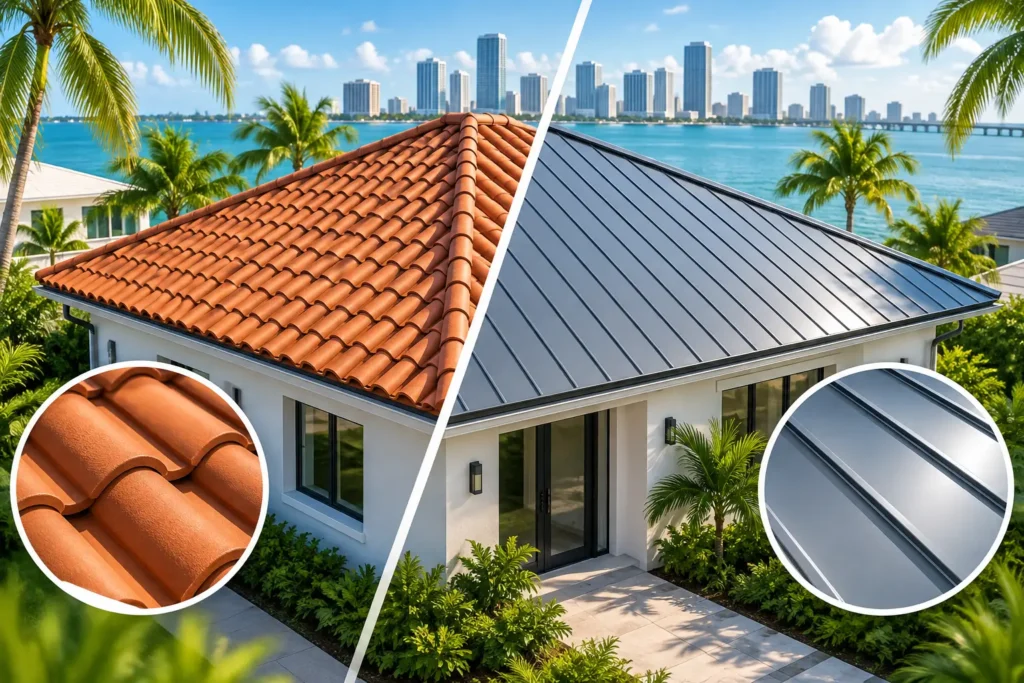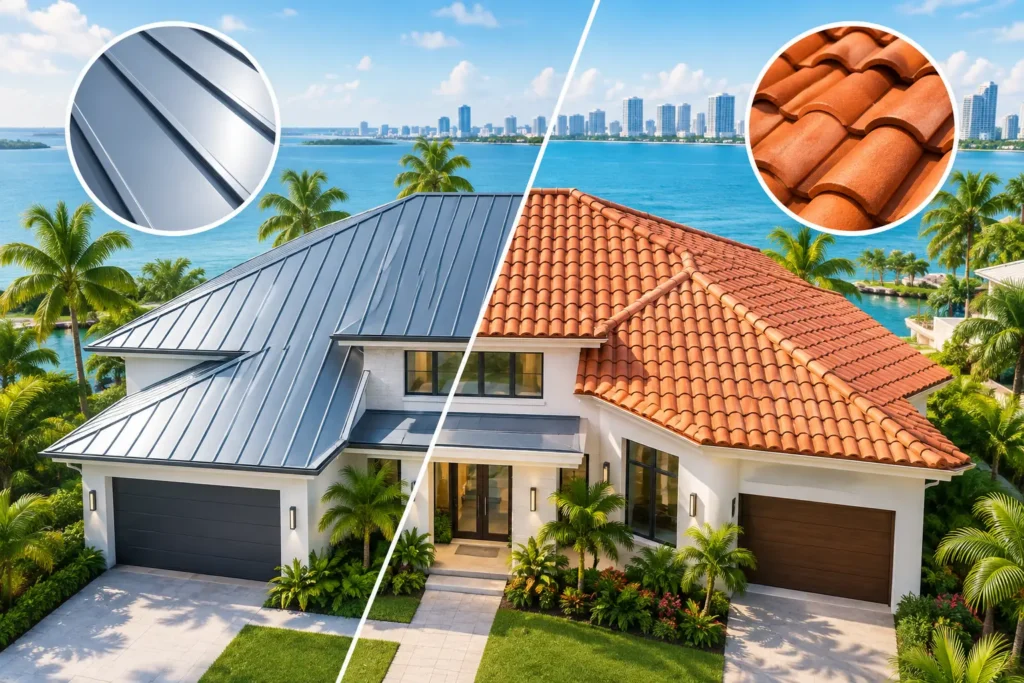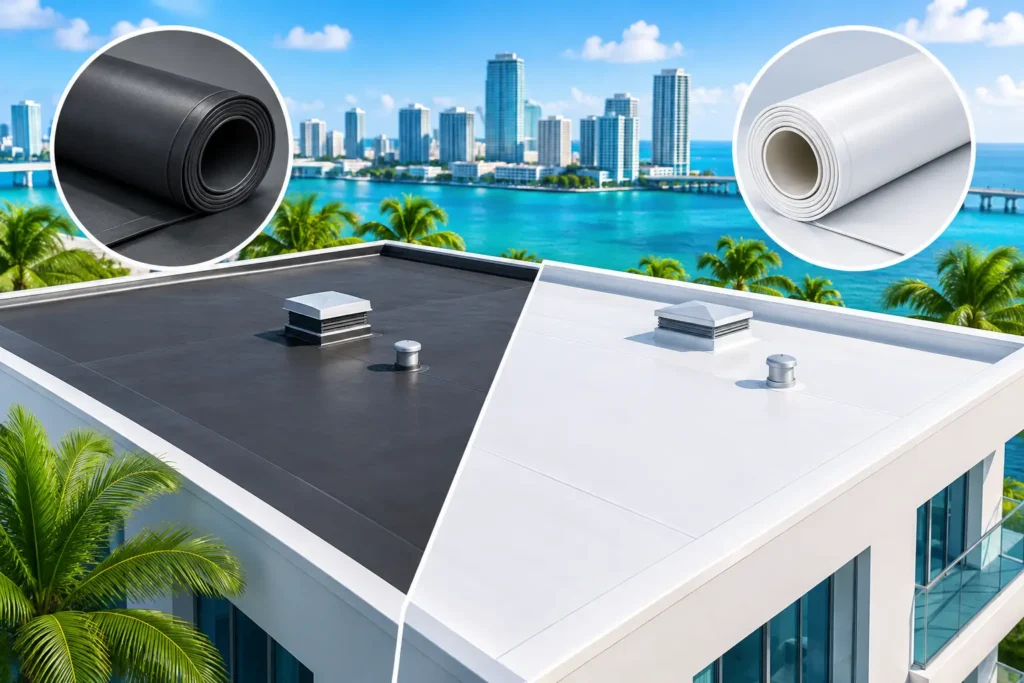
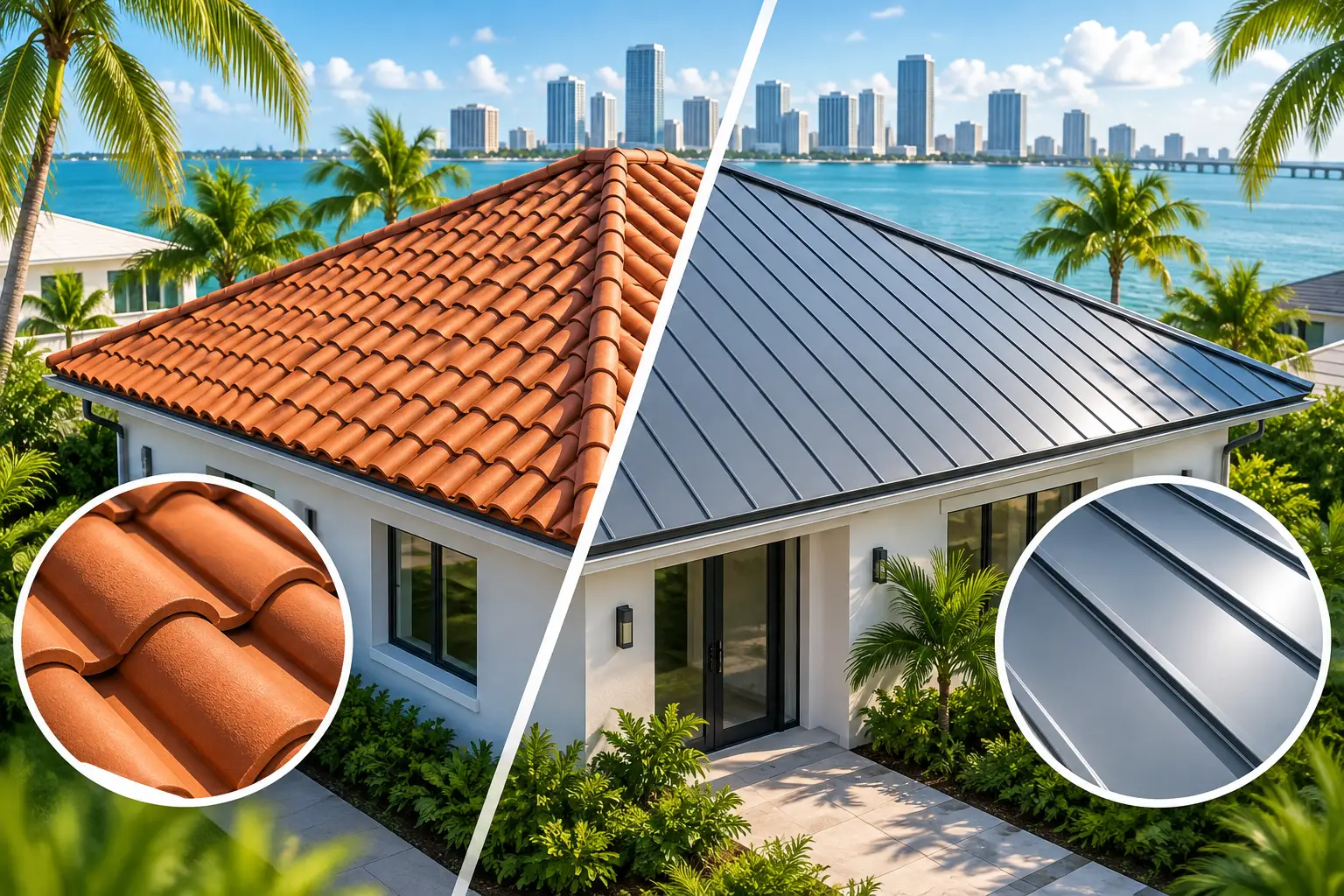
A roof choice in Miami is not just about curb appeal. Tile roof versus metal comes down to how the system will handle hurricane winds, hard UV exposure, driving rain, humidity, and salt in the air. Both can be excellent long-term roofs when they are designed, installed, and maintained correctly. The wrong choice, or the right material installed poorly, can become an expensive problem fast.
For many South Florida property owners, tile feels like the natural fit. It is familiar, attractive, and common across Miami-Dade neighborhoods. Metal has earned serious consideration because it is lighter, durable, and built to shed water and wind. The better option depends on the structure, the roof design, the local exposure, your budget, and how long you plan to own the property.
Tile Roof Versus Metal in Miami Conditions
Miami roofs take punishment that roofs in milder climates never see. Summer heat bakes roofing materials for months. Humidity can keep small leaks active. Wind-driven rain finds weak flashing, loose fasteners, cracked tiles, and failed seals. Near the coast, salt air accelerates corrosion on exposed metal components.
That is why material alone is never the full answer. A tile roof needs a sound underlayment system, properly secured tiles, correct flashing, and clear drainage paths. A metal roof needs the right panel profile, approved fastening pattern, compatible trim, and corrosion-resistant materials. Hurricane performance is a complete system issue, not a sales brochure claim.
How tile performs
Concrete and clay tile can offer long service life and strong visual appeal. Tile also creates an air space above the roof deck that can help reduce heat transfer. For homeowners who want the classic Mediterranean or South Florida look, tile is difficult to beat.
The trade-off is weight. Tile is substantially heavier than metal, so the roof framing and deck must be evaluated before installation. This matters even more when replacing a lighter roof with tile. A proper inspection should look beyond the visible surface and confirm the structure can safely support the system.
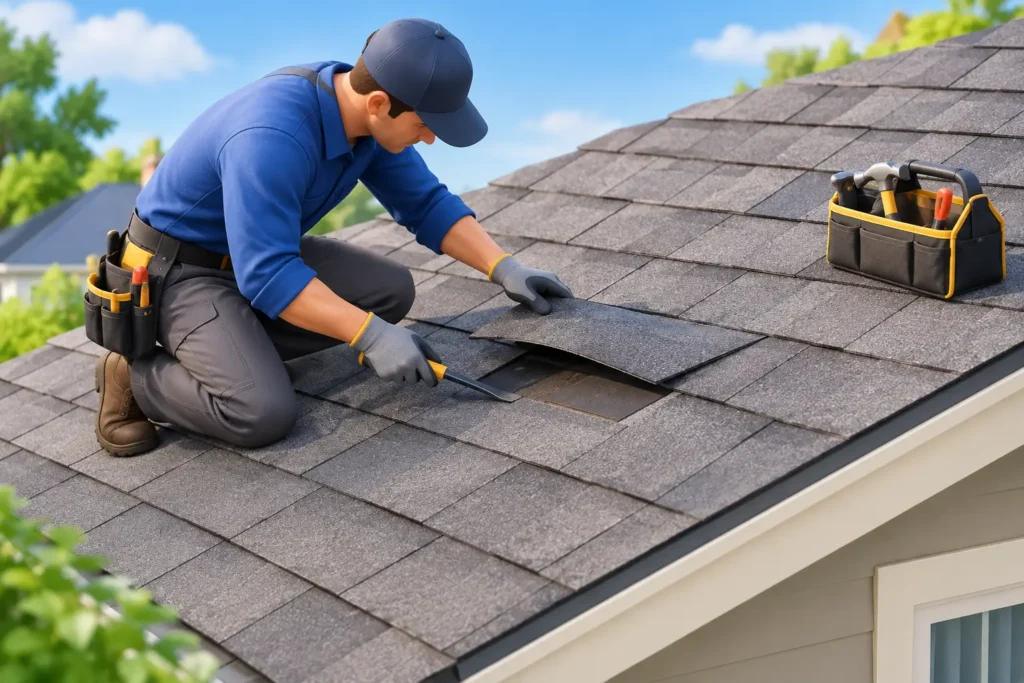
Tile itself can last for decades, but the waterproof layer beneath it often needs attention sooner. Underlayment failure is one of the most common reasons an older tile roof begins leaking. Replacing a few broken tiles may solve a visible problem, but it will not fix worn underlayment, failing flashing, or moisture damage below the surface. That is the difference between a patch and a real repair.
Tiles can crack from impact, foot traffic, falling branches, or storm debris. They may also shift or loosen over time if the fastening system is compromised. Individual tile repairs are possible, but matching older colors and profiles can be difficult. A careful contractor should document what is damaged, explain the cause, and show whether the issue is isolated or part of a larger failure.
How metal performs
Metal roofing is much lighter than tile, which can make it a practical choice for many homes, commercial buildings, additions, and roof replacements where structural loading is a concern. Properly engineered metal systems are also well suited to high-wind areas. The panels shed water quickly, and there are fewer individual pieces that can crack or come loose.
For Miami properties, material selection matters. Galvalume, aluminum, and certain coated steel systems can all perform well, but the right choice depends on the building’s location and exposure. A property close to Biscayne Bay or the ocean faces more aggressive salt conditions than one farther inland. Fasteners, clips, flashing, sealants, and trim must be compatible with the roof panels. Mixing the wrong metals can create corrosion problems that shorten the roof’s life.
Metal is not automatically maintenance-free. Screws, sealant points, penetrations, and flashing should be inspected periodically. On exposed-fastener systems, fastener washers can age and lose their seal over time. Standing seam systems reduce exposed fasteners across the main roof field, but they still require skilled detailing around valleys, walls, skylights, vents, and equipment.
Some owners worry that metal roofs are too noisy in rain. With proper decking, underlayment, insulation, and attic construction, the sound inside is usually not a major concern. The bigger question is whether the system is installed to the correct Miami-Dade requirements and detailed to keep water out under wind pressure.
Cost Is More Than the Installation Price
Metal roofing often has a lower structural impact and can be faster to install than a full tile system. Tile, however, may bring a higher upfront price because of material weight, labor, roof preparation, and the complexity of handling individual pieces. On a complicated roof with many hips, valleys, walls, and penetrations, both systems require more labor and careful detail work.
Do not compare proposals by the total at the bottom of the page alone. Ask what is included beneath the visible roof surface. The underlayment, deck repairs, flashing replacement, ventilation, permits, wind mitigation details, disposal, and warranty terms all affect the true value of a roof replacement.
A low quote can leave out critical work or assume there will be no rotten decking, no flashing upgrades, and no code-driven changes once the old roof comes off. That is how an inexpensive roof turns into a surprise bill. Honest pricing starts with a clear scope and a contractor willing to explain what they see.
Appearance, Energy, and Property Goals
Tile tends to suit homeowners who want a traditional, high-end architectural look. It comes in a broad range of profiles and colors, from barrel tile to flatter styles. On the right home, it can be a major part of the property’s visual identity.
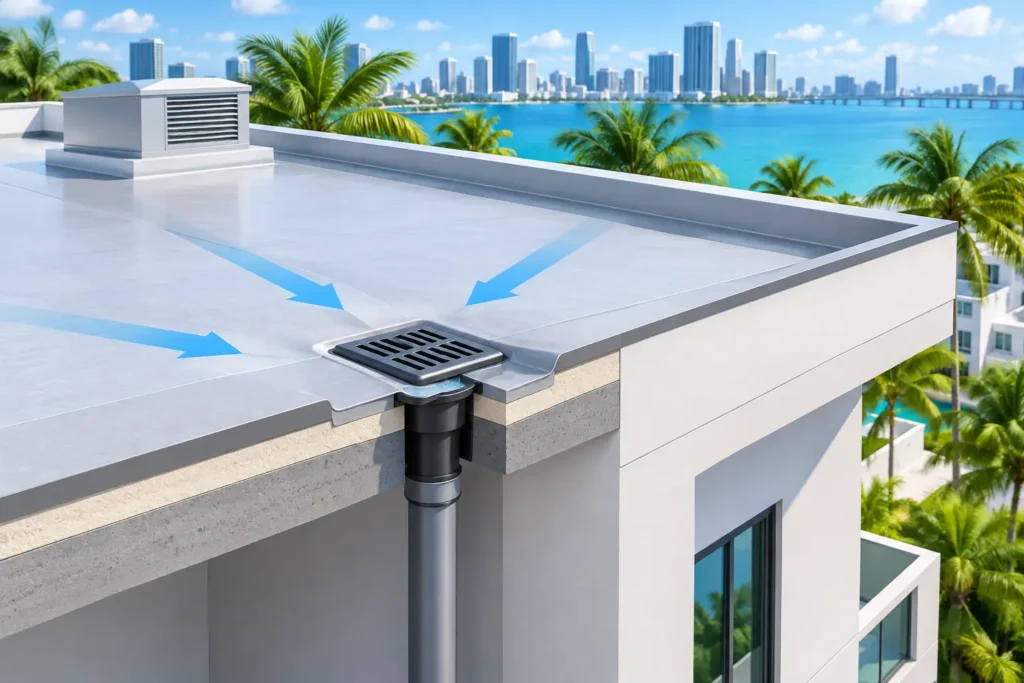
Metal works especially well for contemporary homes, coastal designs, low-slope transitions, and commercial properties. It is available in multiple colors and panel styles, including options that resemble tile or shake. A lighter-colored metal finish can also reflect more solar heat, which may help manage attic temperatures when the rest of the roof assembly is designed correctly.
Neither roof should be sold as a guaranteed utility-bill solution. Insulation, attic ventilation, air leaks, ductwork, roof color, and the existing building envelope all play a role. A roof can improve thermal performance, but no material replaces a complete look at how the building handles heat.
When Tile Is Usually the Better Choice
Tile is often the better fit when the structure is designed for its weight, the property calls for a traditional South Florida appearance, and the owner is prepared to maintain the roof system over the long term. It can be a strong choice for residential properties where curb appeal matters as much as weather protection.
It is also worth considering when neighboring homes or association standards favor tile. Still, appearance should not force the decision. If the deck, framing, or budget cannot support a proper tile installation, choosing a different roofing system is smarter than cutting corners.
When Metal Is Usually the Better Choice
Metal is often a smart choice for owners who want a lighter system with strong wind performance and efficient water shedding. It can be particularly practical for homes with structural concerns, coastal properties that need carefully selected corrosion resistance, and commercial buildings where large roof areas benefit from long panel runs.
It may also make sense when a homeowner wants fewer individual roofing components and a more modern appearance. The key is selecting the correct panel system, not simply buying the cheapest metal roof available. Thin panels, poor fastener layout, weak trim details, and rushed flashing work can undermine the advantages metal is supposed to provide.
Start With an Inspection, Not a Material Preference
Before deciding between tile and metal, get a professional assessment of the existing roof deck, framing, drainage, flashing, ventilation, and visible storm or moisture damage. If the roof is leaking, identify where the water is entering before discussing cosmetic upgrades. Water can travel along decking or framing, so the stain on a ceiling is not always directly below the failure.
At Flash Roofing & Sheet Metal, the goal is to give Miami property owners clear documentation and straight answers – not pressure. Photos, a written scope, and an explanation of the root cause help you make a decision based on the building in front of you.
A roof replacement is a major investment. Choose the system that fits your structure and your exposure, then make sure the installation is built for South Florida weather. Do it once, do it right.