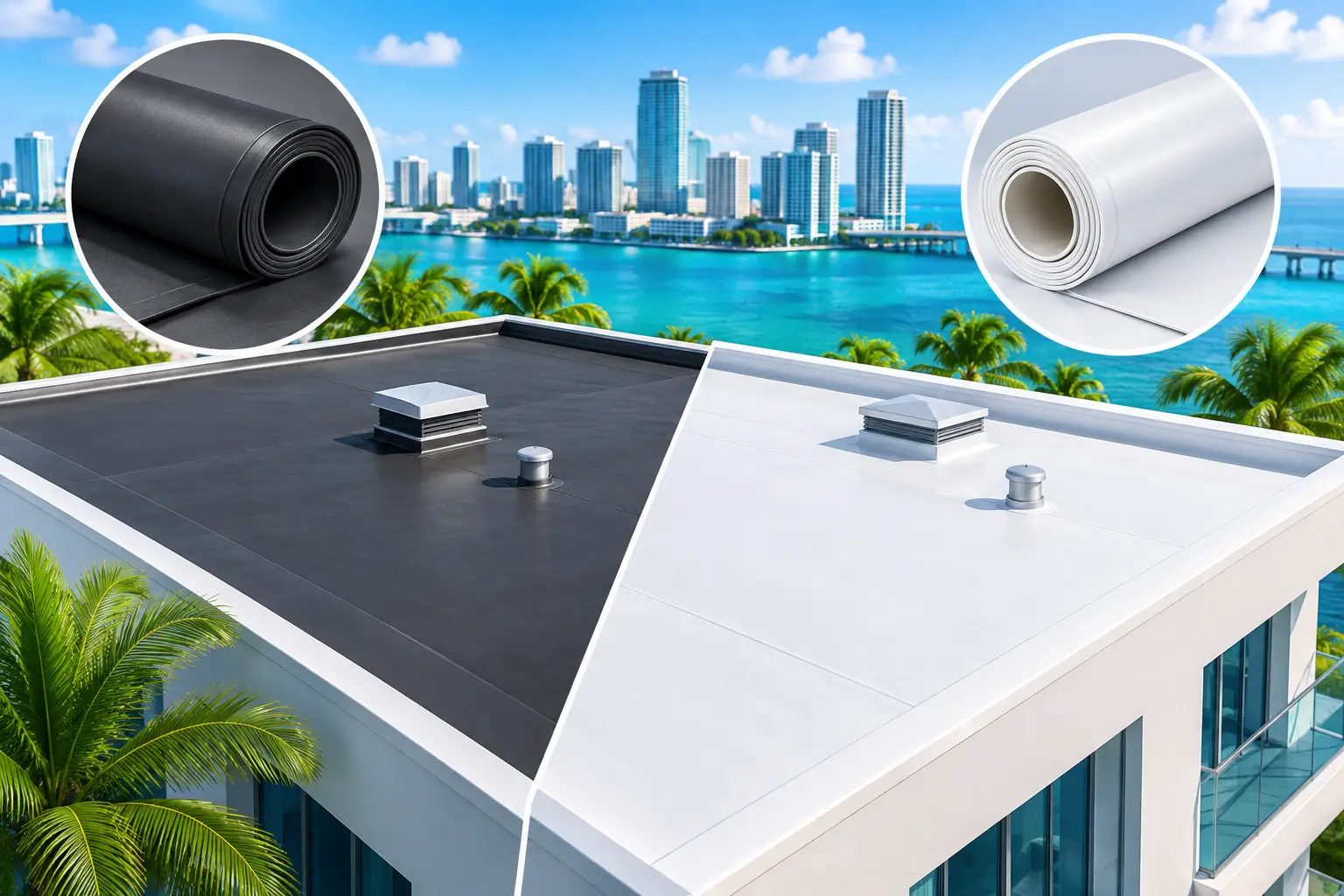
A flat roof that looks fine in January can show its weak points fast after a Miami summer of UV exposure, afternoon downpours, standing water, and wind-driven rain. When weighing EPDM versus PVC roofing, the right answer is not simply which membrane costs less per square foot. It is which complete roof assembly can be installed, detailed, and maintained correctly for your building.
Both systems can protect commercial properties and low-slope residential roofs. They are not interchangeable, though. Their surface color, seam method, resistance profile, installation requirements, and long-term maintenance needs matter in South Florida.
EPDM Versus PVC Roofing: The Core Difference
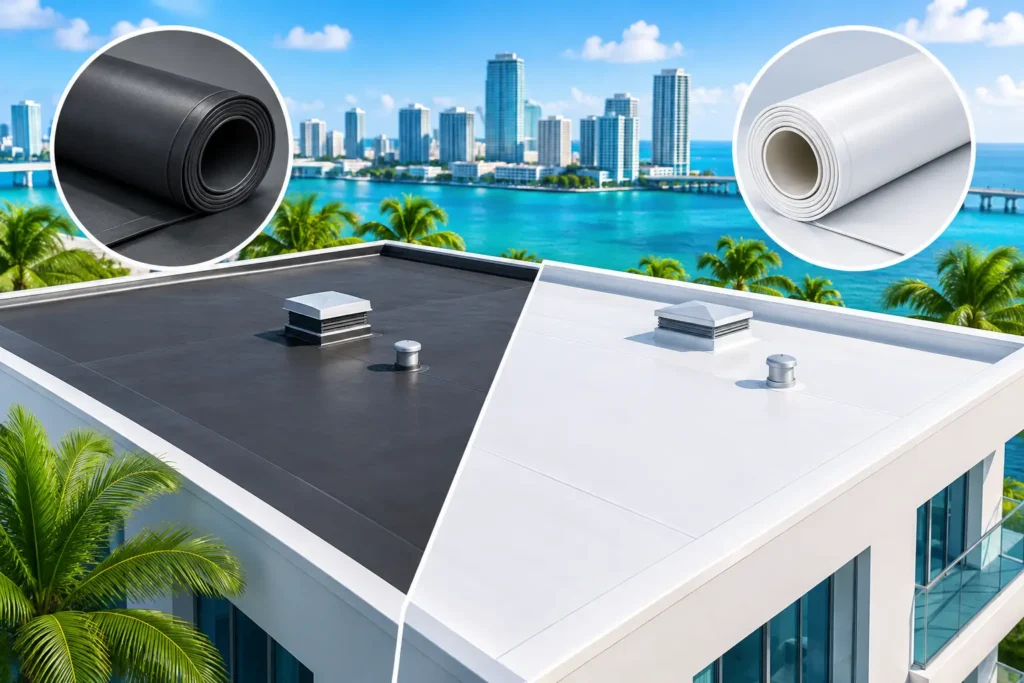
EPDM is a synthetic rubber membrane. It is flexible, durable, and commonly black, though lighter-colored options are available. On a large roof, EPDM is often installed in wide sheets, which can reduce the number of field seams. Seams are generally joined with specialized primer and seam tape rather than heat welding.
PVC is a thermoplastic membrane, typically white or light colored. Its seams are heat-welded, creating a fused connection when the work is done properly. PVC also has a reflective surface that can help reduce heat absorbed by the roof.
That basic difference drives much of the decision. EPDM is known for flexibility and a proven track record. PVC is often selected for its welded seams, reflectivity, and strong resistance to many chemicals, oils, and grease. But the material alone does not guarantee performance. A good membrane installed over wet insulation, poorly secured at the perimeter, or flashed carelessly around drains can still leak.
Miami Heat and UV Exposure Change the Conversation
South Florida roofs take direct sun seriously. Heat can accelerate aging, affect surface temperatures, and expose weak details around penetrations and roof edges. A black EPDM roof absorbs more solar heat than a white PVC roof. That does not automatically make EPDM the wrong choice, but it is a real factor for air-conditioned buildings with high cooling demands.
PVC’s reflective surface can be an advantage on offices, retail buildings, multifamily properties, and other structures where reducing roof heat gain is a priority. It may also help keep the membrane surface temperature lower during long sunny days.
EPDM has a long history of handling weather exposure, and its rubber-like flexibility can be valuable as a roof moves through temperature changes. However, Miami property owners should look beyond the membrane color. Insulation value, roof deck condition, drainage, HVAC load, and local energy-code requirements all affect actual building performance.
Seams, Flashings, and Wind Resistance Matter More Than Sales Claims
A membrane roof is only as reliable as its seams and edges. PVC’s hot-air-welded seams are a major selling point. Properly welded seams form a continuous bond, and an experienced crew can test welds during installation to catch issues before the roof is handed over.
EPDM seams rely on primers, tapes, and clean preparation. Modern seam tapes perform well when installed under the right conditions. The problem comes when a rushed installer skips surface preparation, works over moisture or contamination, or treats seam work as a minor detail. It is not minor. It is one of the first places a poorly installed roof can fail.
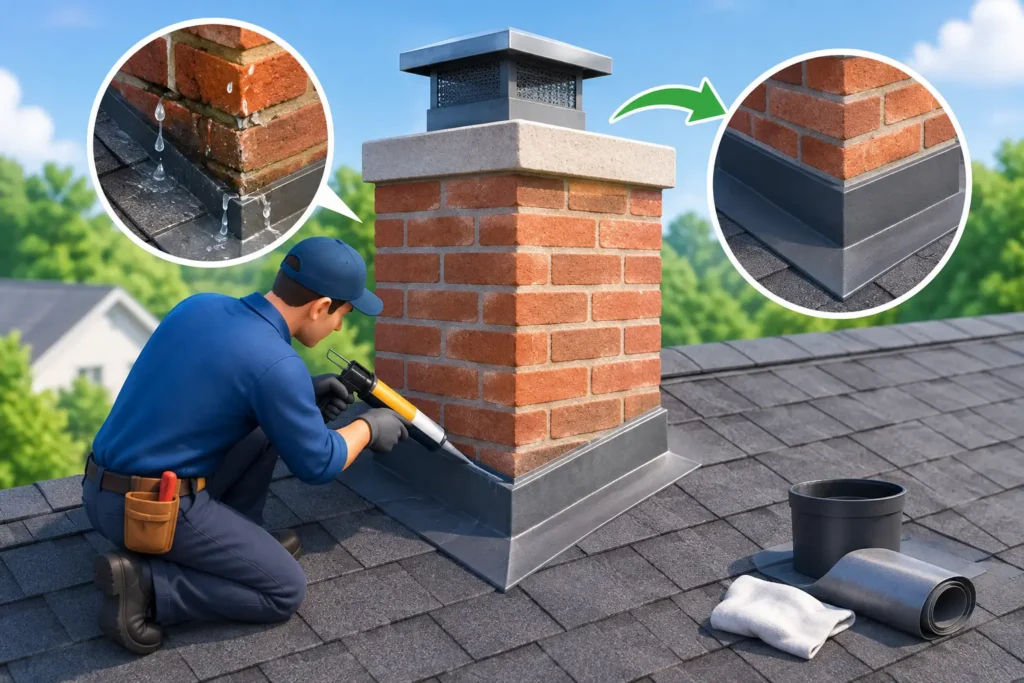
For Miami buildings, perimeter metal, termination bars, fastener patterns, corner reinforcement, and flashing details deserve the same level of attention. Hurricane-zone performance comes from the entire approved assembly, not a label on the membrane roll. The deck type, insulation attachment, membrane attachment method, edge securement, and local code requirements must work together.
A roof can be mechanically attached, fully adhered, or, in some cases, ballasted. Ballasted systems are generally a poor fit where severe wind exposure is a major concern. The best attachment method depends on the building, deck, height, wind zone, and manufacturer requirements. This is where a site inspection is worth more than a one-size-fits-all quote.
Water, Drainage, and Miami’s Heavy Rain
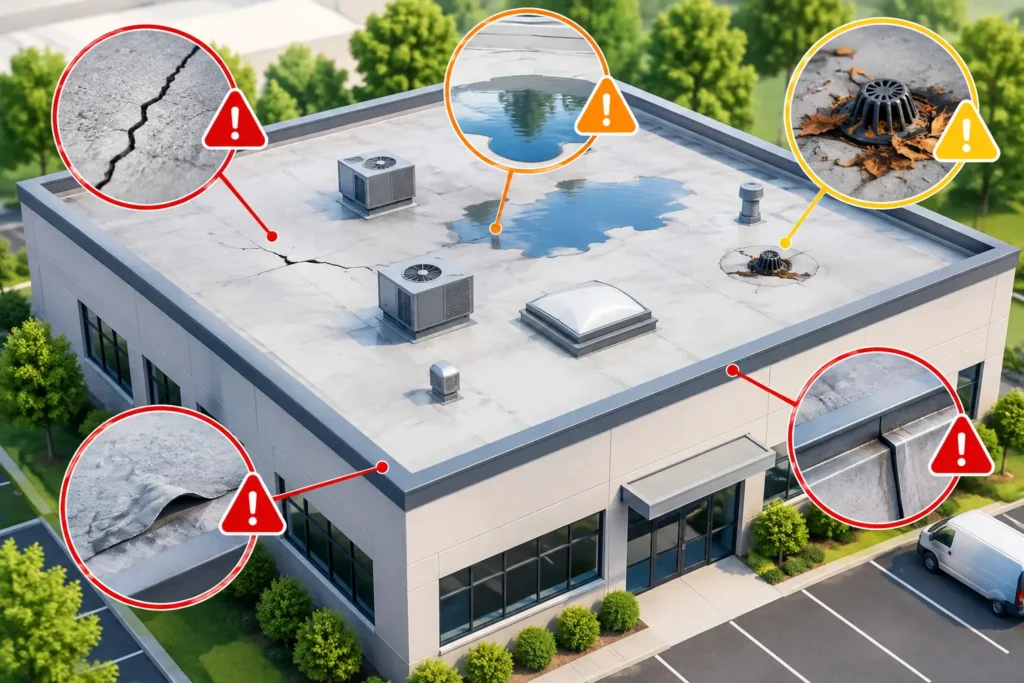
Neither EPDM nor PVC should be expected to solve drainage problems. If water ponds after a storm, the roof needs an honest assessment of slope, drains, scuppers, clogged lines, insulation layout, and structural low spots.
PVC is often favored where regular ponding water is a concern because of its welded seams and surface characteristics. EPDM can also perform on low-slope roofs, but long-term standing water deserves attention regardless of membrane type. Water adds weight, holds heat, encourages debris buildup, and makes small defects harder to identify.
Before a replacement, the contractor should document the existing drainage conditions with photos and identify whether the real solution is tapered insulation, additional drainage, drain repairs, or changes to roof geometry. Covering a drainage issue with a new membrane is not doing the job right. It is delaying the next leak.
Where PVC Usually Has the Edge
PVC is a strong candidate for restaurants, commercial kitchens, and buildings with rooftop exhaust that may expose the membrane to grease or oils. Its resistance to many chemical contaminants can make a meaningful difference in these environments.
It is also often a practical option for property owners focused on a white, reflective roof surface and heat-welded seams. On buildings with many penetrations, curbs, drains, and transitions, a skilled PVC installer can create highly dependable welded details.
The trade-off is that PVC installation requires trained technicians, the right welding equipment, and careful quality control. A seam that is overheated, underheated, dirty, or poorly aligned is not a reliable seam. Ask how the contractor verifies weld quality and how the roof edges will be secured for local wind conditions.
Where EPDM Can Be the Better Fit
EPDM remains a practical choice for many low-slope roofs, particularly when flexibility, wide sheet sizes, and proven rubber-membrane performance fit the project. It can work well on simpler roof layouts and on buildings where the design and insulation package address heat management appropriately.
EPDM may also make sense when a building does not have significant grease or chemical exposure and the owner values a membrane with fewer field seams across broad roof areas. Its flexibility can be useful around certain roof movements and transitions.
The trade-off is that seams and flashings require disciplined prep work. The roof should be installed by a crew that follows the membrane manufacturer’s procedures, not a crew trying to finish early before the next rainstorm. Black EPDM’s heat absorption should also be evaluated honestly for Miami’s climate.
Cost Is More Than the Membrane Price
Comparing quotes only by total price can lead to an expensive mistake. A lower number may leave out tear-off, wet insulation replacement, new flashing, drain work, edge metal, permit requirements, wind-rated attachment, or repairs to the roof deck.
PVC can carry a higher material and labor cost in some applications. EPDM may price differently depending on the attachment method, insulation, roof complexity, and amount of detail work. On either system, the details often drive the real cost more than the open field of the roof.
Ask for a clear scope that identifies what will be removed, what will be replaced, how the membrane will be attached, how penetrations will be flashed, and what happens if hidden damage is found. Photo documentation before, during, and after the work gives property owners proof of what was actually completed. No mystery fees and no vague promises.
How to Choose the Right Membrane for Your Property
Start with the building, not the brochure. A restaurant with grease-laden exhaust, a retail plaza with a large exposed roof, and a residential flat roof over living space may all need different solutions. Review the roof deck, drainage, existing insulation, rooftop equipment, wind exposure, and whether the building has recurring leak areas.
Then consider the condition beneath the old roof. If insulation is saturated or the deck has deterioration, installing a new membrane over the problem will not produce a long-lasting roof. The root cause needs to be corrected first.
Flash Roofing & Sheet Metal evaluates low-slope roofs with Miami conditions in mind, including heat, moisture, salt exposure, and hurricane-force wind requirements. The goal is not to push PVC or EPDM on every building. It is to recommend the assembly that makes sense, explain the scope clearly, and install it with the details that keep water out.
Before you commit to either membrane, get a roof evaluation that looks past the visible leak. The best roof choice is the one matched to your building’s use, drainage, exposure, and budget, then installed carefully enough that it is ready for the next hard Miami storm.