A metal roof can look solid from the ground while corrosion is already working under a scratched panel edge, around a fastener, or beneath trapped wet debris. So, why does metal roofing rust when it is supposed to be one of the more durable roofing choices? Usually, the metal itself is not the whole problem. In Miami, salt air, humidity, intense sun, standing water, and installation details all determine how well a metal roof holds up.
The good news is that rust is often preventable when the roof has the right material, protective finish, drainage, and maintenance. The bad news is that a small rust spot can become a leak, a weakened panel, or a failed fastener if it is treated as a cosmetic issue.
Why Does Metal Roofing Rust?
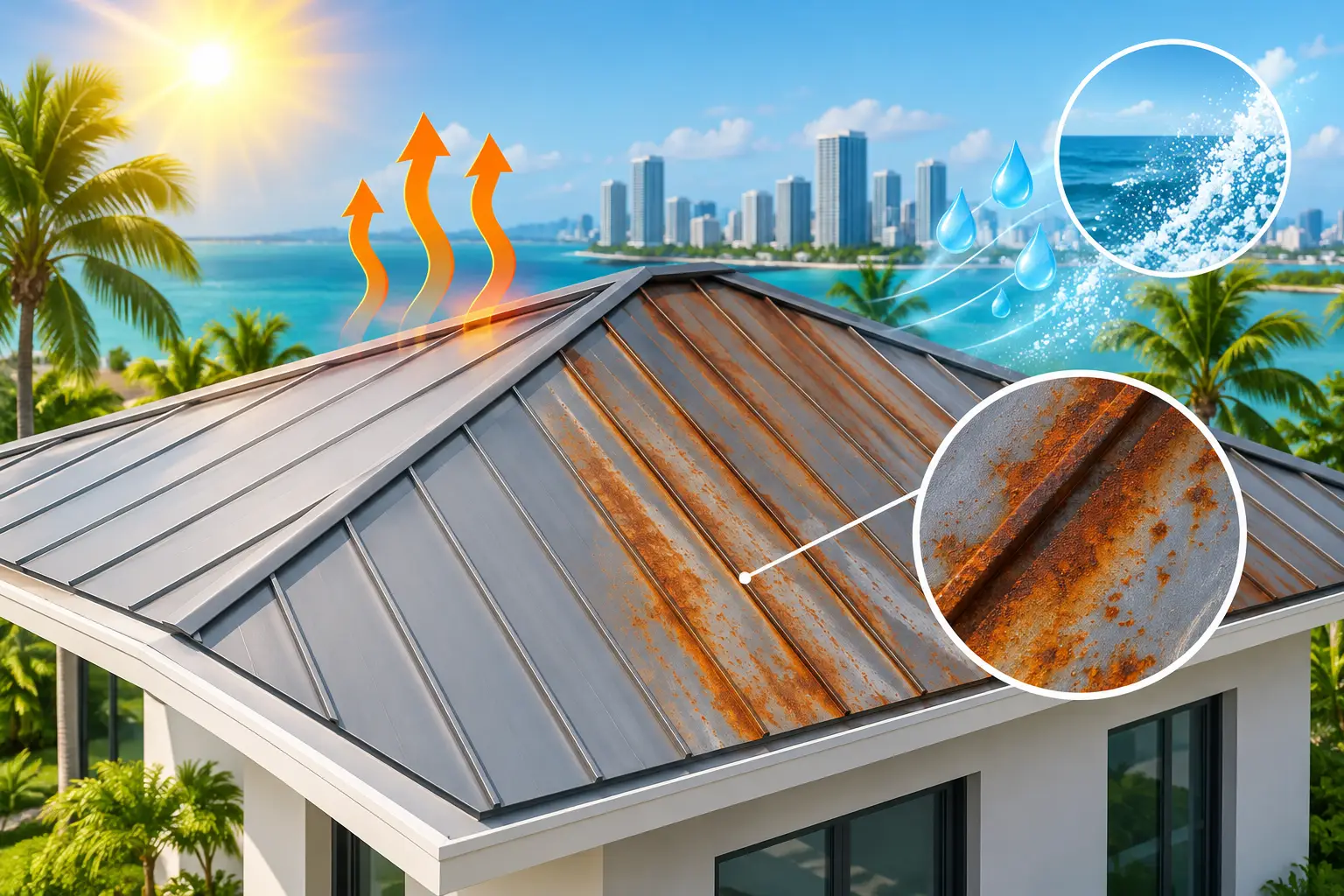
Rust is iron oxide. It forms when iron or steel is exposed to oxygen and moisture over time. Steel roofing panels are protected by metallic coatings, paint systems, or both, but those barriers can eventually wear down, crack, chip, or be damaged by debris and foot traffic. Once bare steel is exposed, moisture can reach it and corrosion begins.
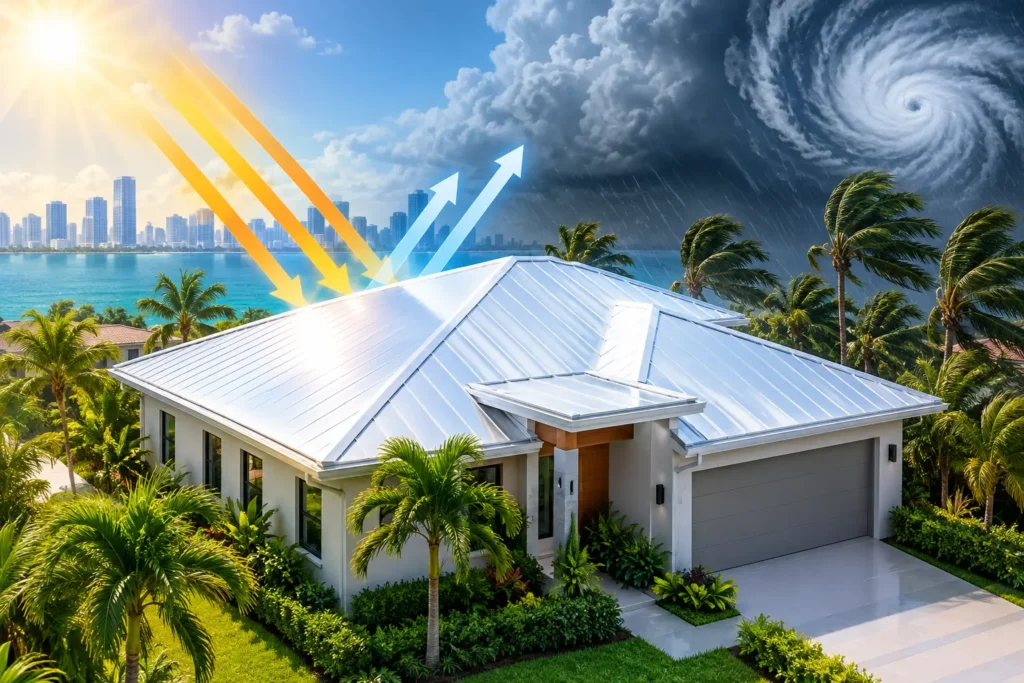
Miami adds another layer to the problem: airborne salt. Even properties several miles from the water can be affected by salt-laden humidity, especially during windy weather. Salt does not necessarily create rust by itself, but it helps moisture stay active on the roof surface and speeds up the corrosion process.
Not every metal roof rusts in the same way. Galvanized steel has a zinc coating that protects the steel below. Galvalume uses an aluminum-zinc coating and often performs very well in many roofing applications. Aluminum does not rust like steel, but it can still corrode, pit, or develop finish problems in harsh coastal conditions. The right material depends on the building location, roof design, and the coating system used.
The Miami Conditions That Speed Up Corrosion
South Florida roofs work hard all year. A metal roof is exposed to high UV levels, frequent rain, heavy humidity, and sudden wind-driven storms. These conditions can gradually break down a factory finish, especially on older panels or roofs that were never maintained.
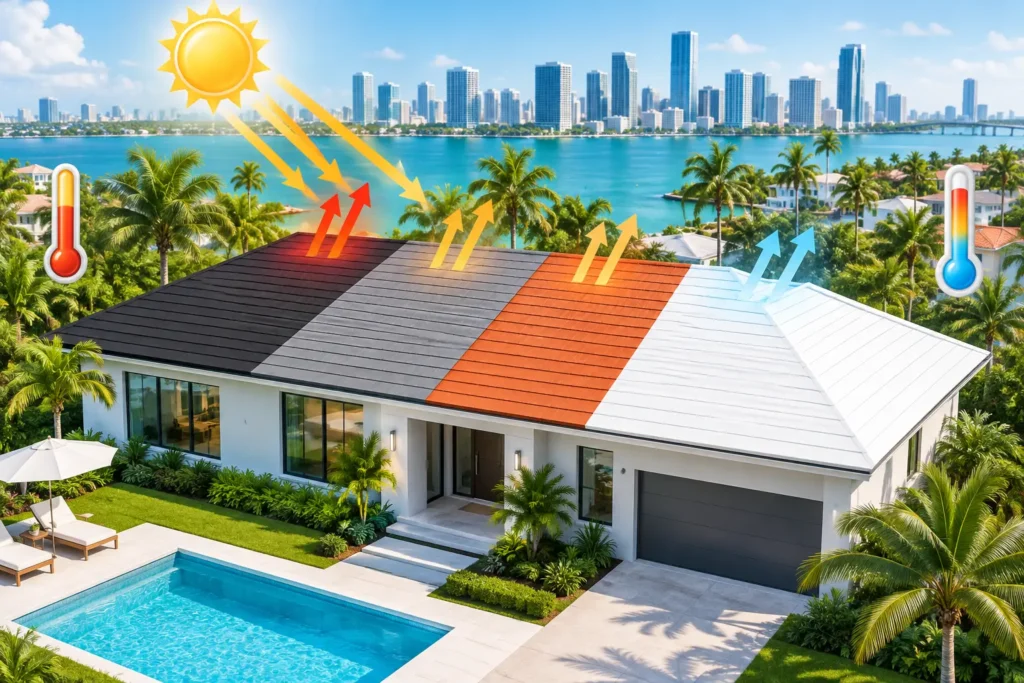
Heat is part of the equation too. Metal expands and contracts as roof temperatures rise and fall. That movement is normal, but over many years it can stress fastener holes, sealants, panel laps, and exposed edges. If water starts entering those areas, corrosion can begin where it is difficult to see from the ground.
Hurricane-season debris creates another common issue. Leaves, palm fronds, and dirt collect behind rooftop equipment, in valleys, at transitions, and near gutters. When debris holds moisture against metal, the roof cannot dry properly. The result is localized corrosion that may spread beneath the paint or coating.
Damaged Coatings Turn Small Marks Into Bigger Problems
A quality metal roofing finish is the first line of defense against sun, moisture, and salt exposure. When that finish remains intact, the roof has a strong protective barrier. When it is scratched or worn through, the exposed area becomes vulnerable.
Damage can come from falling branches, storm debris, pressure washing done incorrectly, technicians walking on panels without proper care, or tools dropped during maintenance work. Roofers also see coating damage near cut edges and penetrations where the metal was modified in the field but not properly protected afterward.
Chalky or faded paint does not always mean a roof is rusting. South Florida sun can fade finishes long before the metal underneath is compromised. But bubbling paint, orange staining, flaking coating, and rust streaks around screws are different. Those signs deserve an inspection before the problem moves below the surface.
Fasteners Are Often the First Weak Point
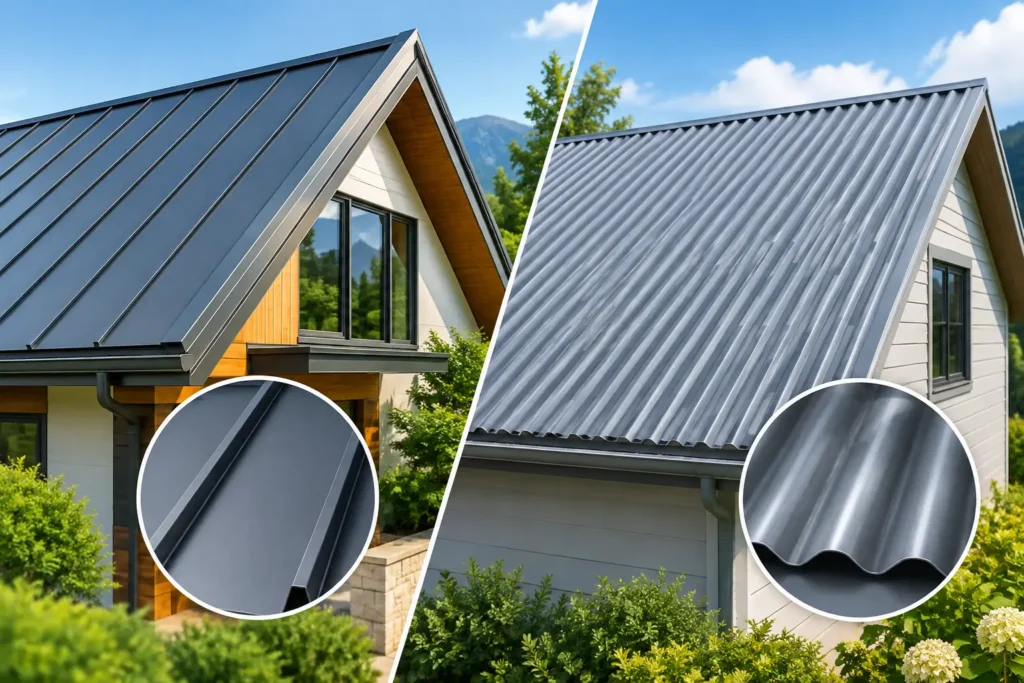
On exposed-fastener metal roofs, every screw is a penetration through the panel. The screw, washer, and surrounding metal all need to stay watertight as the roof moves with temperature changes. A loose, backed-out, overdriven, or corroded fastener can let water reach the panel and framing below.
Mixing incompatible metals can also create trouble. For example, certain metals in direct contact can create galvanic corrosion when moisture is present. That is why proper fastener selection, flashing materials, and installation details matter. A repair that looks simple can create a bigger corrosion issue if the wrong components are used.
Poor Drainage Can Make a Metal Roof Rust Faster
Metal roofing is designed to shed water, not hold it. If water ponds on a low-slope metal roof, sits behind a curb, or repeatedly overflows from clogged gutters, the protective coating gets far more exposure than it was designed for.
Standing water is especially concerning around seams, roof penetrations, and panel ends. It can carry dirt and salt deposits into those vulnerable areas, then keep them wet long after the rest of the roof has dried. On commercial buildings, rooftop HVAC units and drains are frequent places for this problem to start.
Drainage repairs are not always dramatic. Sometimes the answer is clearing debris and correcting a gutter issue. Other times, it requires repairing a low area, replacing deteriorated flashing, adjusting a drainage path, or addressing a roof system that was not properly designed for the slope. The right fix depends on the root cause, not the visible stain.
How to Tell Surface Rust From a Roof Repair Problem
A small spot of surface rust does not automatically mean the entire roof needs replacement. If corrosion is limited, the metal remains sound, and the source of moisture is corrected, a targeted repair and protective coating may extend the roof’s service life.
The concern rises when rust appears at panel seams, around fasteners, near skylights and vents, along edges, or on the underside of the roof deck. Those locations can point to water intrusion rather than simple surface wear. Soft decking, interior stains, rusted screws, loose panels, or recurring leaks after rain are signs that the issue needs a closer look.
A proper inspection should not rely on a quick glance. It should identify where moisture is getting in, assess panel condition, check fasteners and flashing, and document what is found with photos. That gives a property owner clear evidence of whether a repair is practical or whether larger restoration work is justified.
Preventing Rust on a Metal Roof
The best rust prevention is early attention, not emergency patching after a leak develops. Keep gutters, valleys, and drainage areas clear so water does not sit on the roof. Trim branches that can scrape panels or drop debris during storms. After major weather, check for displaced flashing, visible scratches, loose fasteners, and debris buildup.
Avoid using harsh cleaning chemicals or aggressive pressure washing methods that can strip protective finishes. If cleaning is needed, use methods appropriate for the panel manufacturer’s coating system. Never assume every metal roof can be treated the same way.
For coastal and near-coastal Miami properties, periodic professional inspections are a smart investment. A contractor can catch deteriorating sealant, early fastener corrosion, damaged coatings, and drainage issues before they become interior leaks. If a coating is recommended, surface preparation is critical. Coating over active rust or contaminated metal without cleaning, priming, and repairs is a short-lived cosmetic fix.
Repair, Restore, or Replace?
There is no honest one-size-fits-all answer. A newer roof with isolated coating damage may only need repair work and protection at the affected areas. A roof with widespread surface oxidation but sound panels may be a candidate for restoration, provided seams, fasteners, and drainage are addressed first.
Replacement becomes more likely when panels are perforated, seams are failing across large areas, corrosion has weakened structural components, or leaks have damaged the deck below. For properties close to Biscayne Bay or the coast, material selection should be part of that conversation. Choosing the cheapest panel without considering salt exposure can cost more over the life of the roof.
Flash Roofing & Sheet Metal approaches metal roof corrosion by finding the source first, documenting the condition, and explaining the practical options without mystery fees. A roof should be repaired because the repair solves the problem, not because it is the quickest item to put on an estimate.
If you see rust staining, loose screws, fading that has turned to peeling, or a leak after heavy rain, do not wait for the next storm to test it. Getting clear answers early gives you more repair options and a better chance of keeping a small metal-roof issue from becoming a major one.