A Miami roof can absorb intense sun for hours, then get hit with a hard afternoon downpour before the surface has time to cool. That daily cycle puts real strain on roofing materials, insulation, HVAC equipment, and indoor comfort. Reflective roofing is one way to reduce that heat load, but it is not a paint-and-forget solution. The right system has to match the roof type, its condition, drainage, wind requirements, and the way the building is used.
For homeowners, property managers, and commercial owners, the question is not simply whether a roof is white or shiny. The question is whether the roof assembly can stand up to South Florida UV exposure, humidity, wind-driven rain, salt air, and standing water without creating a new problem underneath.
What Reflective Roofing Actually Does
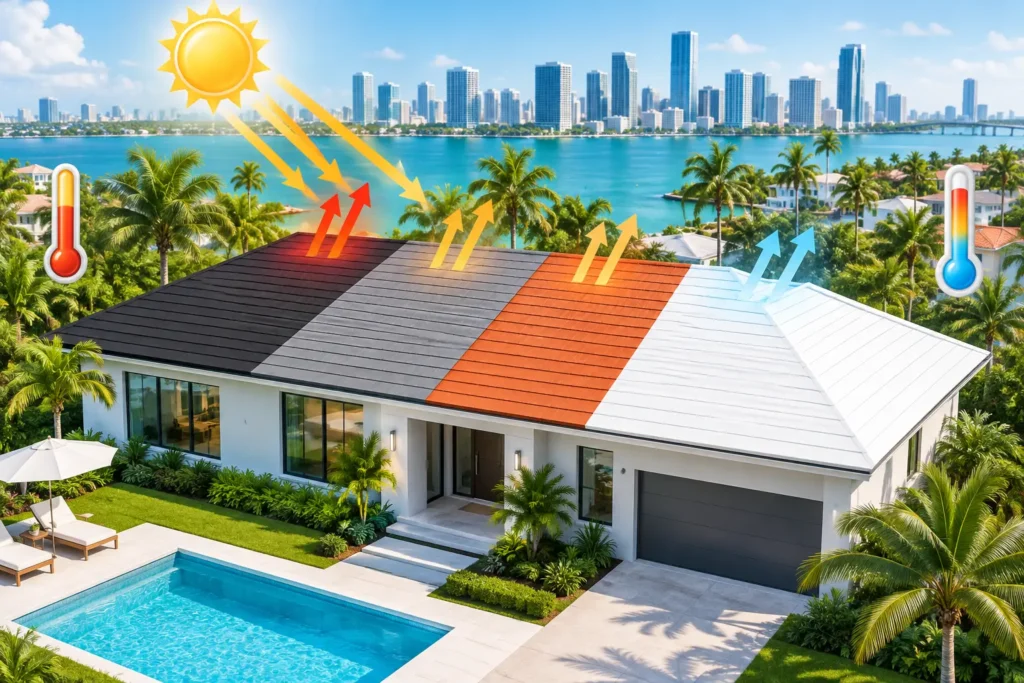
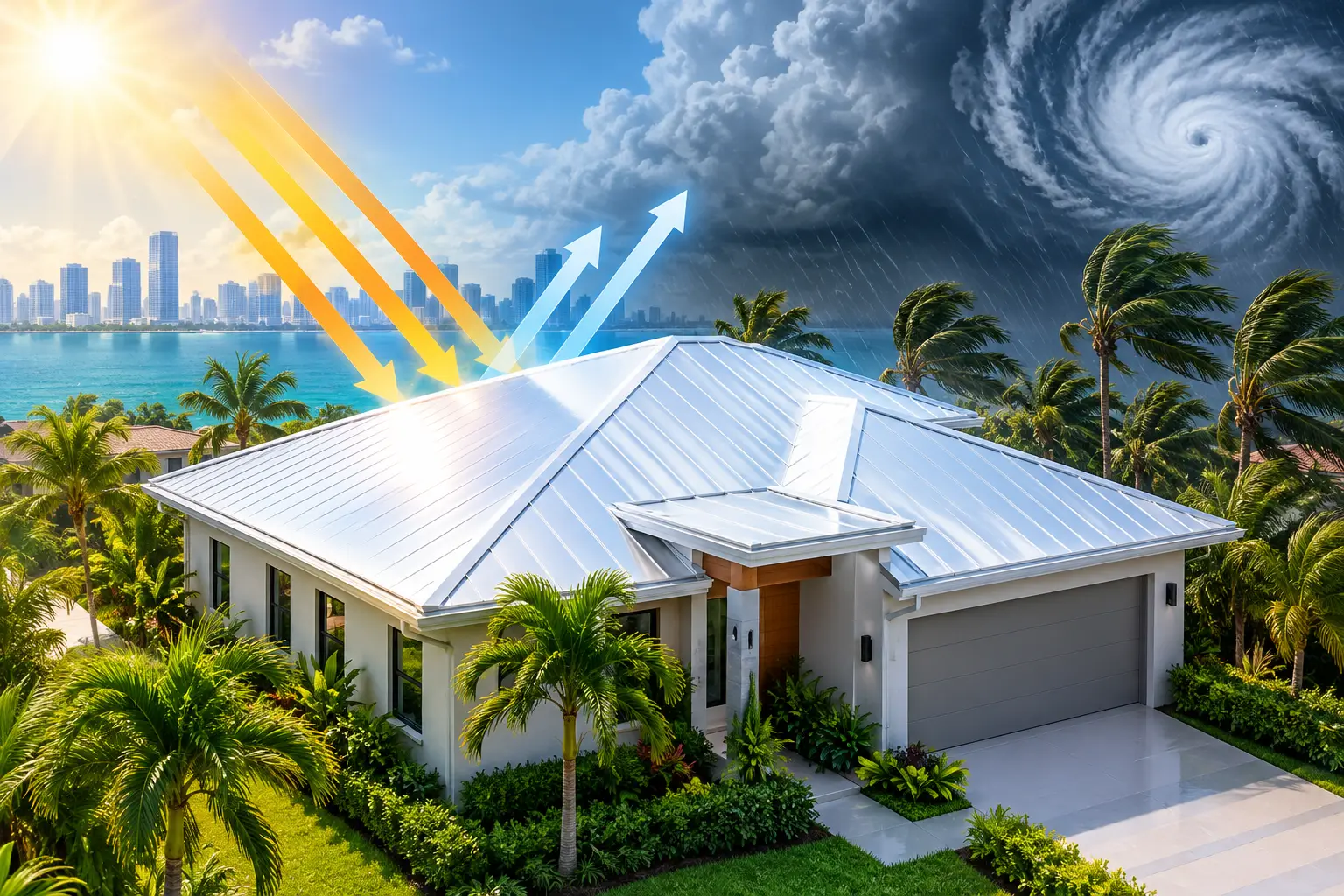
Reflective roofing uses a surface designed to send more solar energy away from the building rather than absorbing it as heat. On low-slope commercial roofs, this often means a white single-ply membrane or a reflective roof coating. On some residential properties, it may involve a light-colored metal roof, tile, shingle, or approved coating system.
A darker roof surface can become extremely hot in direct Miami sun. A reflective surface generally stays cooler, which can reduce heat transfer into the building. That may help ease the workload on air conditioning, especially in buildings with large flat roofs, limited attic space, or older insulation.
There is another benefit that matters to roof life. Less surface heat can mean less thermal movement and less stress on certain materials over time. Roofing systems expand and contract as temperatures change. Miami does not have freezing winters, but it does have relentless UV exposure and frequent heat-to-rain transitions. Limiting unnecessary heat buildup can help, provided the roof is properly installed and maintained.
The Right Reflective Roofing System Depends on the Roof
Reflectivity is a performance feature, not a complete roofing category. A good contractor starts with the existing system and the condition below the surface.
Flat and Low-Slope Commercial Roofs
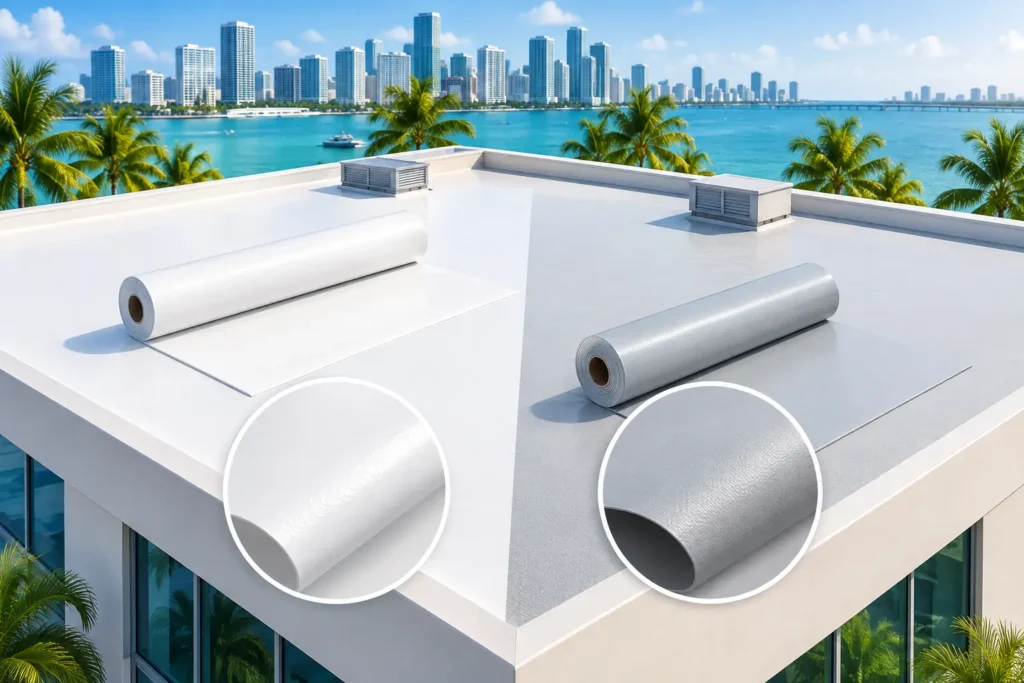
For many commercial buildings, a reflective membrane or fluid-applied coating is a practical fit. TPO and PVC membranes are commonly white and reflective. Modified bitumen and built-up roofs may be candidates for a coating when the roof remains structurally sound and the existing assembly is compatible.
Coatings can be useful, but they are not a cure for wet insulation, open seams, failing flashing, ponding water, or damaged decking. Applying a bright coating over an active leak may make the roof look better while moisture continues spreading below. That is the kind of shortcut that costs more later.
Before recommending a coating, the roof should be inspected for seam condition, adhesion, drains and scuppers, penetrations, trapped moisture, and areas where water sits after rainfall. Preparation is where the job is won or lost. The surface must be cleaned, repaired, detailed, and primed where required. No mystery steps, and no coating over problems that should be repaired first.
Metal Roofs
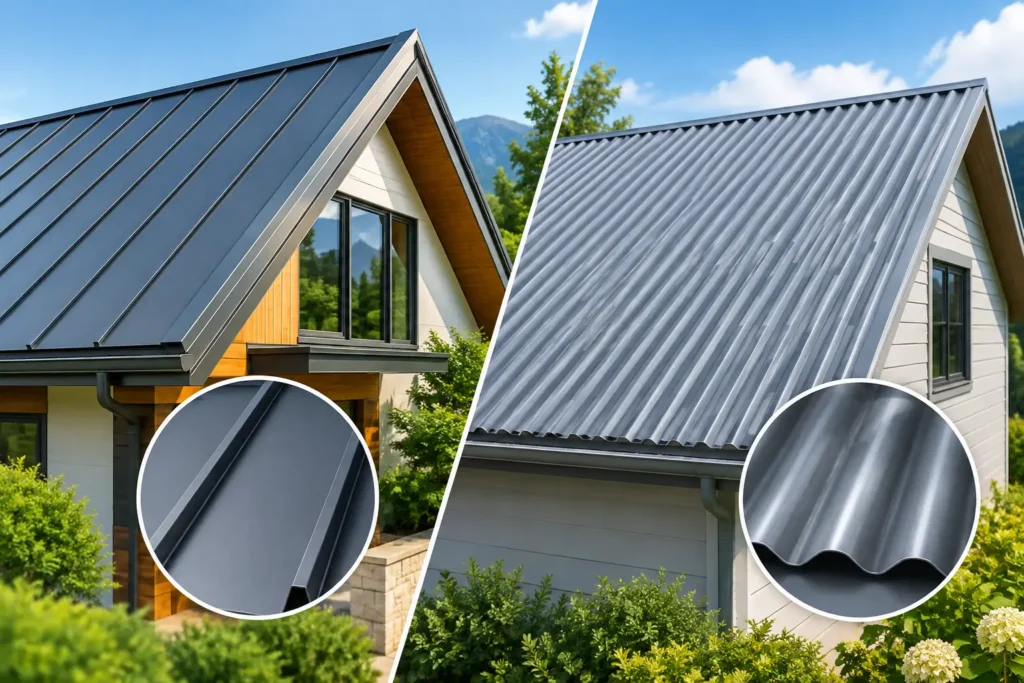
Metal roofing can be an excellent reflective option, particularly with a factory-applied light-colored finish or a properly specified restoration coating. It is durable, lightweight, and can perform well in high heat. Still, Miami’s salt exposure changes the maintenance conversation.
Fasteners, seams, cut edges, rust, and flashing details need close attention. A coating may help extend the life of a metal roof, but corrosion must be addressed at the source. If fasteners are backing out or panels have deteriorated around penetrations, a surface coating alone will not make the system watertight.
Tile and Shingle Roofs
On steep-slope residential roofs, homeowners often get better long-term results by choosing lighter-colored materials during replacement rather than applying a reflective coating to an existing tile or shingle roof. Not every roof material is designed to be coated, and using the wrong product can affect drainage, appearance, warranty coverage, or the material’s ability to perform as intended.
Tile roofs also require careful walking, repair work, and attention to underlayment. The visible tile is only part of the system. If the underlayment is near the end of its service life, a reflective surface treatment will not solve the actual risk of leaks.
Miami Conditions Change the Equation
A reflective roof in a dry climate and a reflective roof in Miami face different demands. Here, moisture management is just as important as heat management.
Heavy rain can expose poor drainage quickly. On flat roofs, ponding water may accelerate coating wear, collect debris, and reveal slope issues. A reflective roof needs clear drains, properly detailed scuppers, and a plan for water movement. If water remains on the roof long after a storm, that should be investigated before any restoration work begins.
Hurricane-season performance also comes down to attachment and edge details. A reflective membrane or coating does not replace the need for secure perimeter metal, properly fastened insulation, sound flashing, and code-appropriate wind resistance. The roof covering is only as dependable as the details holding it together.
Salt air is another local factor. Coastal and near-coastal properties need materials and metal components selected with corrosion resistance in mind. A roof can be highly reflective and still fail early if incompatible metals, neglected fasteners, or exposed edges are allowed to corrode.
What Savings Can You Expect?
Reflective roofing can lower roof-surface temperatures significantly under direct sun, but the indoor savings vary. Building size, insulation levels, ductwork, ceiling height, roof color, existing HVAC efficiency, shade, and occupancy all matter.
A one-story commercial building with a large dark flat roof and older insulation may see a more noticeable benefit than a home with a well-ventilated attic and heavy tree cover. A warehouse, church, retail space, or condominium building may benefit from reducing heat entering a broad roof deck. On the other hand, a property with major air leaks or failing AC equipment should not expect a roof coating to fix every comfort or energy issue.
That is why honest recommendations matter. Reflective roofing can be a smart investment, but it should be part of a roof plan based on the property, not a sales promise based on one number.
When a Coating Makes Sense and When Replacement Is Smarter
A reflective coating is often worth considering when the existing roof is dry, stable, repairable, and approaching the point where restoration can extend its service life. It can also be a practical way to improve reflectivity on certain roof systems without the disruption of a full tear-off.
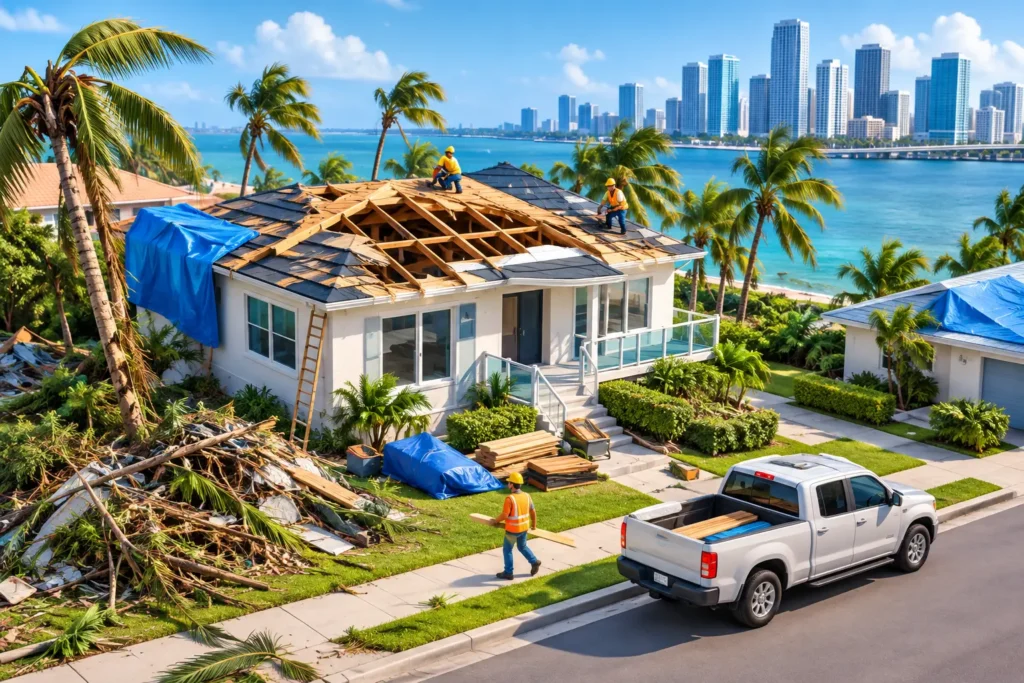
Replacement is usually the better call when the roof has widespread moisture damage, recurring leaks in multiple areas, failing insulation, severe membrane deterioration, rotted decking, or storm damage that compromises the system. Coating a roof that has already failed below the surface is not value. It is postponing the real repair.
A thorough inspection should include more than a quick look from the ground. Ask for photos of problem areas, clear notes on what is causing the issue, and an explanation of whether repairs, restoration, or replacement offer the best long-term value. A contractor should be able to show you the condition of seams, flashing, penetrations, drains, and any suspected leak paths.
Protecting Reflective Roof Performance
A white roof does not stay perfectly white forever. Miami rain, airborne dirt, algae, leaves, construction dust, and standing water can reduce reflectivity over time. That does not mean the roof has failed, but it does mean maintenance matters.
Routine roof checks should look for debris around drains, damaged sealant, loose edge metal, cracked coating, punctures, and signs of water intrusion. Commercial owners should schedule inspections before and after hurricane season, as well as after significant storms. Homeowners should call for an inspection when they see ceiling stains, missing materials, lifted flashing, or unexplained increases in indoor heat.
At Flash Roofing & Sheet Metal, the focus is on finding the root cause first. If a reflective system is right for your Miami property, it should be installed over a sound, prepared roof with details built for local weather. The goal is not a quick white surface. It is a roof that handles heat, rain, and wind without leaving you guessing what is happening above your ceiling.
If your roof feels like it is working against your cooling system, start with an inspection and real documentation. The right answer may be reflective restoration, targeted repair, or a full replacement. Do it once, do it right.