A roof problem at an apartment building rarely stays a roof problem. One small ponding area on a flat roof can turn into ceiling stains in several units, tenant complaints, damaged insulation, mold concerns, and an emergency call when the next Miami storm rolls through. Apartment roof restoration can extend the useful life of a qualifying roof, but only when the existing system is evaluated honestly and the underlying problems are corrected first.
For property owners and managers, the goal is not simply to make the roof look new. The goal is to control water, protect the building, reduce disruption for residents, and make a sound decision between restoration, repair, and replacement.
What Apartment Roof Restoration Actually Means
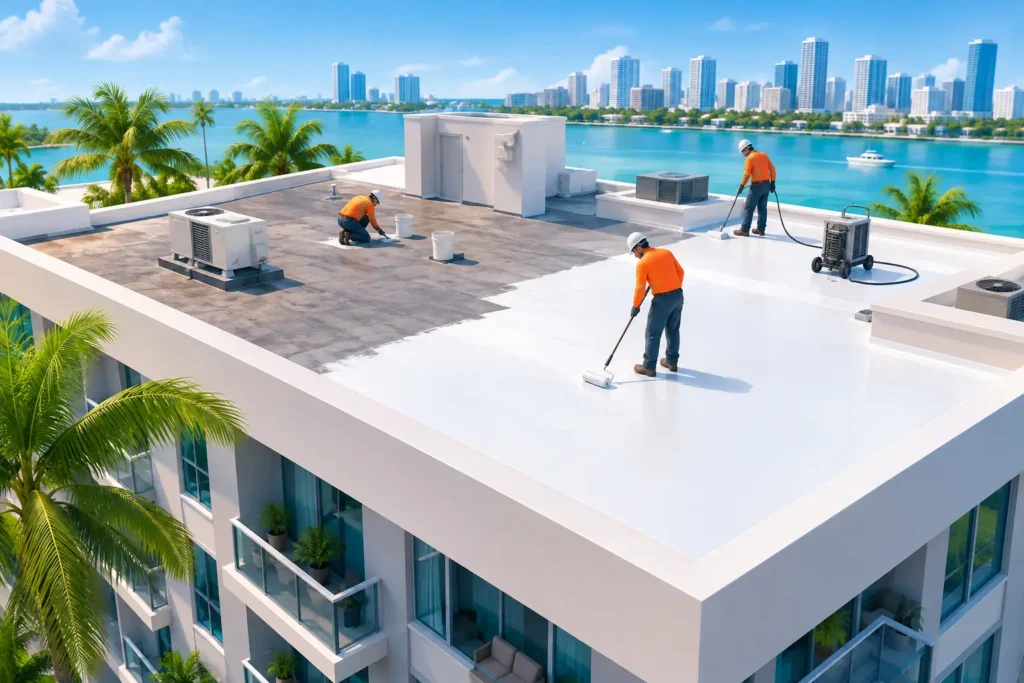
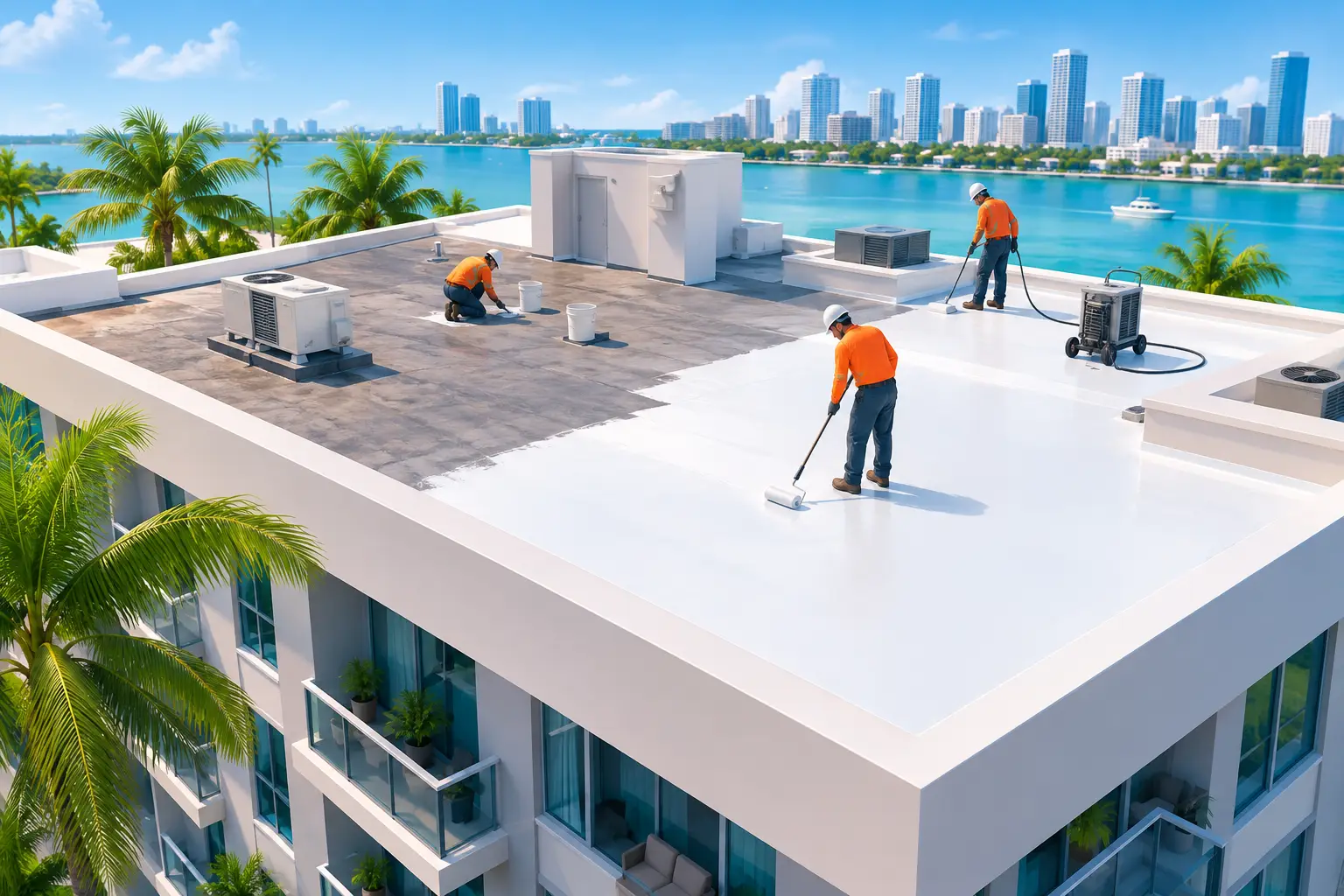
Roof restoration is a process used to renew an existing roof system that still has a structurally sound base. It is not the same as painting a roof or applying a coating over active leaks. A proper restoration begins with a detailed inspection of the roof membrane or surface, flashing, penetrations, drains, seams, edge metal, and any areas where water collects.
Depending on the roof type and condition, the work may include targeted repairs, replacement of damaged sections, resealing penetrations, correcting flashing details, treating corrosion, reinforcing seams, and applying a compatible roof coating system. On many Miami apartment buildings, restoration is most common on flat or low-slope roofs with membrane, modified bitumen, metal, or certain coated roof assemblies.
The right system depends on what is already on the building. A coating that adheres well to one membrane may fail on another without the proper primer or surface preparation. That is why a contractor should identify the existing roof system before recommending a product or price.
Why Miami Apartment Roofs Wear Out Differently
South Florida roofs take a beating from more than rain. Intense UV exposure dries and degrades roofing materials. Heavy humidity can keep surfaces wet longer than expected. Salt in the air speeds up corrosion at metal flashing, fasteners, rooftop equipment curbs, and edge details. Then hurricane-season winds test every weak seam and loose attachment point.
Apartment buildings also tend to have more roof traffic than single-family homes. Air-conditioning service, plumbing work, satellite equipment, exhaust systems, and maintenance access can damage a roof over time. A technician may not mean to cause harm, but a puncture, crushed insulation area, or improperly resealed penetration can become a leak path.
Flat roofs add another concern: drainage. Water should move to drains, scuppers, or gutters. When it sits in low spots for days after a storm, it puts extra stress on seams and coatings while allowing debris to build up. Restoration can address some drainage-related wear, but severe structural ponding may require more than a coating system.
When Restoration Is a Smart Move
Restoration makes the most sense when the roof is aging but still fundamentally serviceable. The membrane or substrate must be dry enough, stable enough, and well attached enough to support the restoration system. A roof with scattered leaks, weathered surfaces, minor seam issues, and localized flashing failures may be a good candidate after repairs are completed.
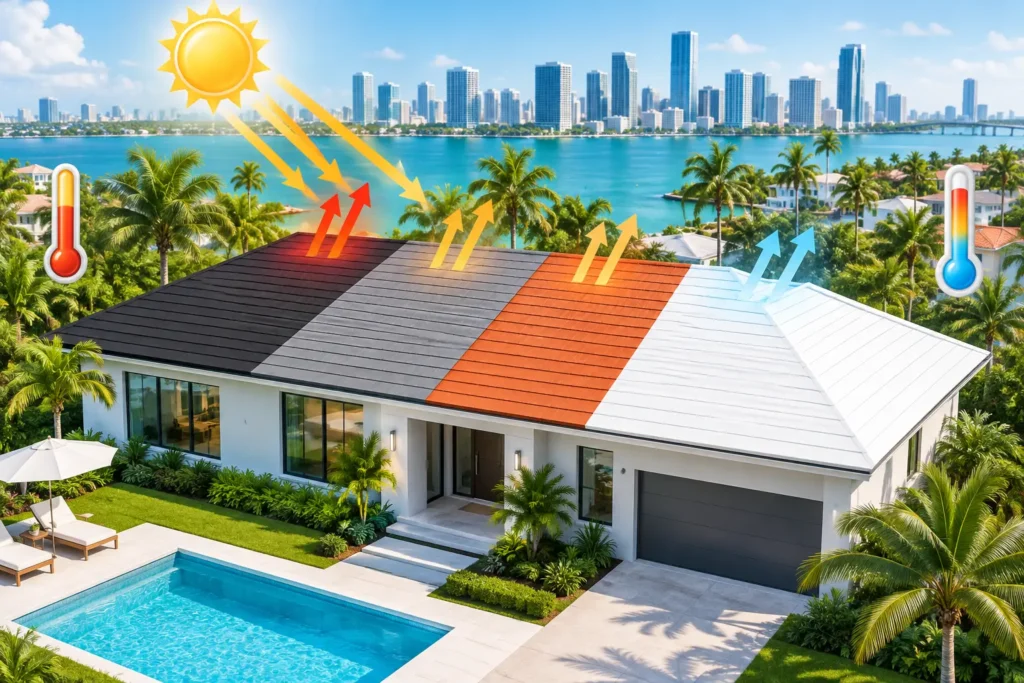
It can be especially practical for occupied apartment buildings because it often causes less disruption than a full tear-off. There may be less demolition, less noise, and less material sent to a landfill. Reflective coating systems can also help reduce heat absorption, which matters on roofs exposed to Miami sun for most of the year.
Budget matters, but it should not be the only reason to choose restoration. The least expensive option can become the most costly if moisture is trapped beneath the surface or the coating fails after one wet season. A contractor should be able to explain why restoration is appropriate for your building, what repairs are included, and where the system has limitations.
Signs Your Building May Be a Candidate
A restoration assessment is worth considering if the roof has surface wear, faded or chalking coatings, minor cracking, isolated leaks, aging sealant around penetrations, or early corrosion at metal components. It may also make sense when a building needs a longer-term maintenance solution but is not ready for complete replacement.
Photo documentation matters here. Property managers should be shown the affected areas, not just handed a general statement that the roof is bad or good. Clear photos of seams, drains, flashing, blisters, exposed fasteners, and water-damaged areas make it easier to plan repairs and communicate with ownership.
When Restoration Is the Wrong Answer
No honest roofer should recommend restoration for every roof. If there is widespread moisture in the insulation, major deck deterioration, failing attachment across large areas, extensive storm damage, or a roof system at the end of its service life, replacement may be the safer investment.
The same is true when recurring leaks point to a larger design or drainage failure. Covering those symptoms can delay the real work while allowing hidden damage to grow. An apartment roof may look acceptable from the ground and still have serious problems beneath the surface.
A proper inspection may include moisture detection, core samples where appropriate, and close examination of the roof deck and drainage details. That level of evaluation helps separate a restorable roof from one that needs replacement. It is not always the answer an owner wants to hear, but it is better than paying twice for work that cannot hold up.
What a Proper Restoration Process Looks Like
The first step is an on-roof inspection, not a guess based on square footage. The contractor should identify the roof type, document visible conditions, inspect drains and penetrations, and look for signs of previous repairs that may be failing.
Next comes the repair scope. Damaged membrane sections, open seams, loose flashing, failed sealant, rusted metal, and weak penetrations must be addressed before restoration materials are applied. If drainage areas are blocked by debris, they need to be cleared. If a low area is holding water because of structural movement, that issue needs a direct conversation before work begins.
Surface preparation is where many low-cost jobs fail. Roof surfaces must be cleaned and dried properly. Adhesion depends on it. Primers, reinforcing fabric, seam treatment, and coating thickness must all match the existing roof system and the manufacturer requirements.
Finally, the finished work should be documented. Before-and-after photos, details on repaired areas, product information, and maintenance recommendations give owners a real record of what was done. This is useful for future planning, warranty questions, insurance discussions, and board communication.
Questions Apartment Owners and Managers Should Ask
Before approving an apartment roof restoration project, ask whether the contractor found trapped moisture or deck damage, how drainage issues will be handled, and which roof areas require repairs before coating. Ask what coating or restoration system is being proposed and why it is compatible with the existing roof.
You should also ask how the crew will protect residents, vehicles, landscaping, and rooftop equipment during the work. Apartment projects require coordination. Residents need clear notice if there will be noise, restricted parking, odors from materials, or temporary access limitations.
Get clarity on pricing as well. A useful quote separates the main restoration scope from potential hidden-condition repairs, such as deteriorated decking or unexpected wet insulation. No mystery fees is not just a slogan. It means explaining what is included, what could change, and what evidence will be provided if additional work is needed.
Maintenance After the Work Is Complete
Restoration is not a reason to ignore the roof for the next decade. Miami roofs benefit from regular inspections, especially before and after hurricane season. Drains should stay clear, rooftop equipment work should be monitored, and new penetrations should never be left to an unqualified trade to seal.
For larger apartment properties, a maintenance plan can help catch small issues before they reach occupied units. Inspecting seams, flashing, coating condition, drain areas, and exposed metal on a routine schedule is far less disruptive than responding to a leak during a weekend storm.
Flash Roofing & Sheet Metal approaches restoration with the same standard used for every roof: find the root cause, document the condition, and recommend the work that makes sense for the building. Sometimes that is restoration. Sometimes it is a repair or a full replacement. The right answer is the one that will stand up to Miami weather, not the one that only looks good on the day it is installed.
A dependable apartment roof gives owners time to plan and residents confidence during the next hard rain. Start with a thorough inspection, insist on proof of the roof’s condition, and choose a solution built for the conditions above your building.