
A flat roof that looks fine on a dry afternoon can fail fast after a Miami downpour or a season of hard sun. If you are asking how to choose flat roofing, start with the conditions your roof will actually face: standing water, intense UV exposure, humid air, salt near the coast, and hurricane-force wind. The right answer is not simply the cheapest membrane or the system your neighbor used. It is the roof assembly that fits your building, drainage, deck, budget, and long-term maintenance plan.
For Miami-Dade property owners, choosing correctly upfront can mean the difference between years of dependable protection and repeated leak repairs. Do it once, do it right.
Start With the Roof You Have, Not the Product You Saw Advertised
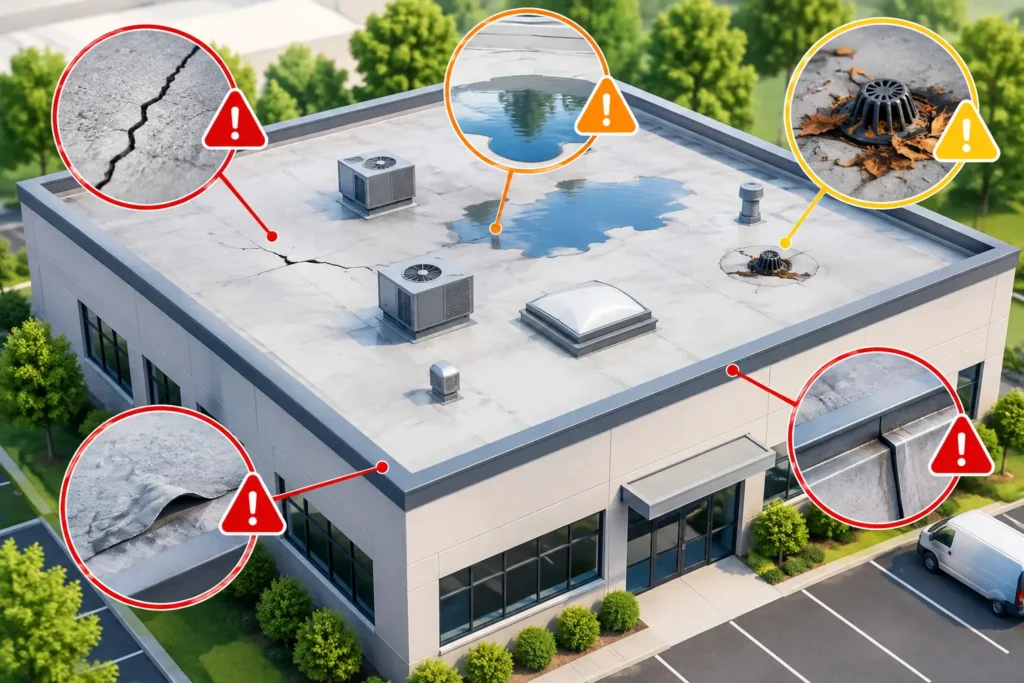
Flat roofing is not truly flat. A properly built low-slope roof needs enough slope to move water toward drains, scuppers, gutters, or other approved drainage points. Before choosing a material, inspect the roof deck, existing insulation, flashing, penetrations, parapet walls, and drainage layout.
A roof with ponding water may need more than a new surface. The underlying issue could be poor slope, crushed insulation, blocked drains, a sagging deck, or an earlier repair that trapped water. Covering those problems with a new membrane can create a cleaner-looking roof without fixing the reason it leaked.
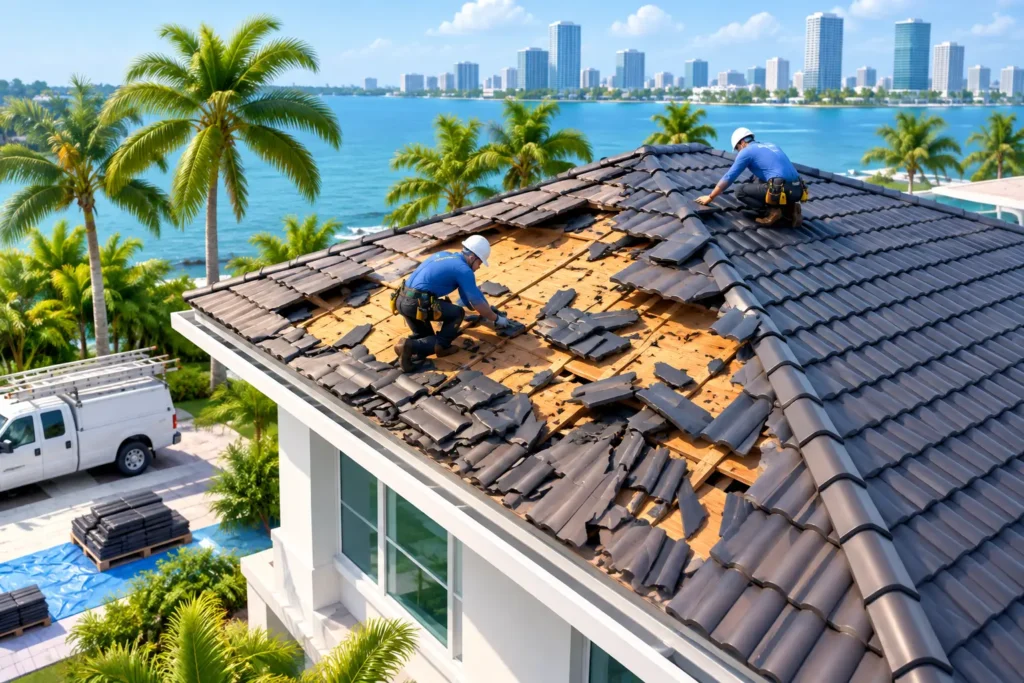
This is why a thorough inspection matters. Ask for clear photos of problem areas and an explanation of what is causing the damage. A contractor should be able to show you whether a repair is realistic or whether the roof has reached the point where replacement makes better financial sense.
Choose Flat Roofing Materials for South Florida Conditions
Most residential and commercial flat roofs in Miami use membrane systems, modified bitumen, or coatings. Each can perform well when it is designed and installed correctly. The better choice depends on the building and how the roof is used.
TPO for Reflectivity and Commercial Roofs
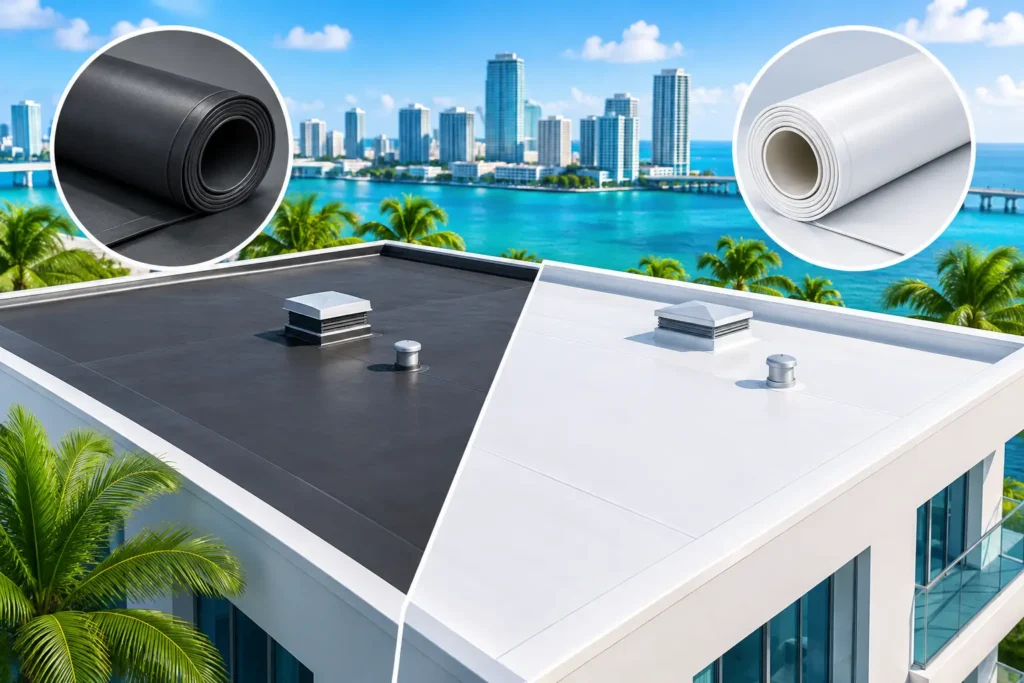
TPO is a single-ply white membrane commonly used on commercial buildings and larger low-slope roofs. Its light color reflects sunlight, which can help reduce heat absorbed by the roof surface. It is often a practical option when energy efficiency, clean seams, and broad roof coverage are priorities.
However, TPO performance depends heavily on membrane thickness, seam welding, edge detailing, and attachment. A low bid may leave out details that matter most in high wind, such as perimeter fastening, termination bars, and properly secured flashings.
PVC for Chemical Resistance and Strong Welded Seams
PVC is another white single-ply membrane. It is well known for heat-welded seams and resistance to grease, oils, and certain chemicals, which can make it a strong choice for restaurants, commercial facilities, and roofs near exhaust equipment.
PVC generally costs more than basic options, so it is not automatically the right fit for every property. On a building with a demanding rooftop environment or a long-term ownership plan, its added performance may justify the investment.
Modified Bitumen for Durable, Layered Protection
Modified bitumen is an asphalt-based roofing system installed in sheets. It can be applied in one or more layers and is commonly used on residential flat roofs, small commercial buildings, and roofs with many details. A properly installed multi-ply system offers durable protection and can be easier to repair in localized areas than some single-ply systems.
Miami heat changes the conversation. The system should include the right surface treatment or coating to manage UV exposure, and all laps and flashings must be installed with care. Poor workmanship around drains, walls, and pipe penetrations will still lead to leaks, regardless of how good the field membrane is.
Roof Coatings When the Existing Roof Qualifies
A roof coating can be a smart restoration option when the existing roof is dry, structurally sound, and still has useful life left. Coatings can renew weather protection, reflect heat, and extend the life of certain roof systems without a full tear-off.
But coating is not a cure for a wet roof, failing seams, trapped moisture, major ponding, or deteriorated decking. If a contractor recommends coating without investigating the roof beneath it, be careful. A coating over hidden damage can delay the real repair while making future work more complicated.
Drainage Is Not an Add-On
In South Florida, drainage should be part of the roofing decision from day one. Heavy rain can expose weak spots quickly, especially on roofs with clogged primary drains, insufficient slope, or no reliable overflow drainage.
Look at where water goes after a storm. Does it sit in broad areas for more than 48 hours? Are drains located at low points? Are scuppers clear and large enough to handle runoff? Does the roof have secondary drainage protection if a primary drain clogs?
Some ponding may be corrected with tapered insulation during replacement. In other cases, the roof may need drain modifications or structural evaluation. The right material will not overcome bad water management. A dry roof starts with water leaving the roof as designed.
Confirm Hurricane Wind Design and Edge Details
Miami-Dade is not a place for generic flat-roof specifications. Your roof system needs to meet applicable local code requirements and be designed for the building’s wind exposure, height, location, and roof geometry.
Wind does not only pull at the center of a roof. It puts intense pressure on corners and perimeter edges. That means attachment patterns, fasteners, adhesives, metal edge systems, flashings, and penetrations all matter. The membrane may be rated for wind uplift, but the completed roof is only as strong as its weakest detail.
Ask how the system will be attached to your specific deck. Concrete, steel, wood, and lightweight concrete decks each require a different approach. Also ask whether the proposal addresses perimeter and corner zones separately. Clear answers are a good sign. Vague promises that a roof is “hurricane proof” are not.
Factor in Salt Air, Heat, and Rooftop Traffic
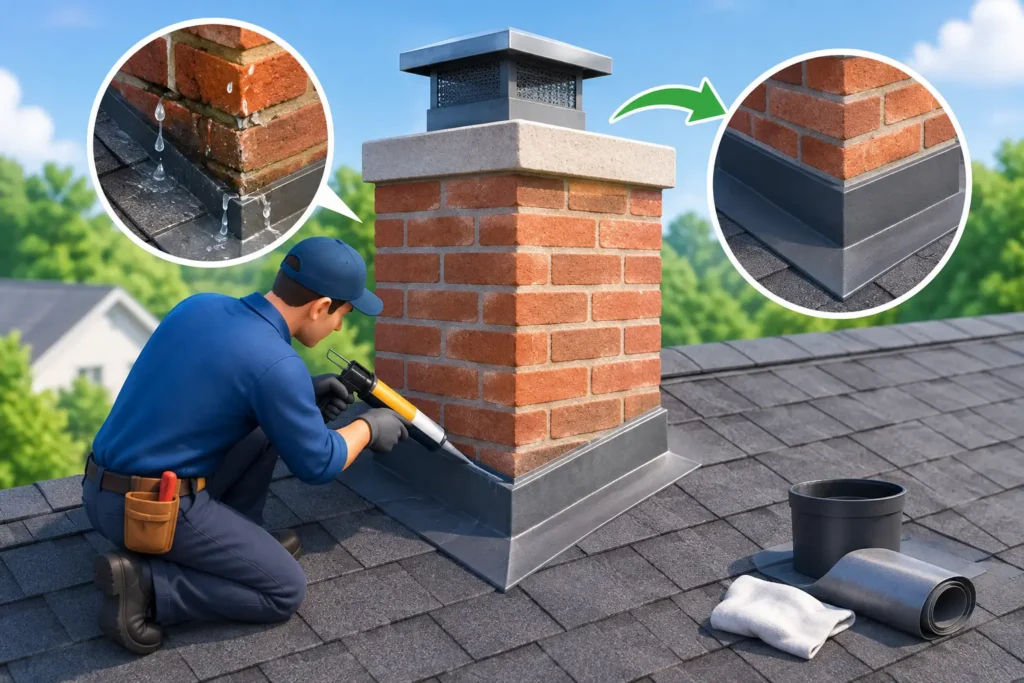
Near Biscayne Bay or the coast, salt exposure can speed up corrosion on metal components. Flashings, fasteners, drains, curbs, and edge metal should be selected and installed with that exposure in mind. A membrane can be in good condition while corroded metal details create a path for water.
Heat is another constant. White reflective membranes and coatings can help control roof-surface temperatures, but insulation below the membrane also affects comfort and energy use inside the building. If you are replacing the roof down to the deck, review whether insulation improvements make sense at the same time.
Finally, think about who uses the roof. HVAC technicians, solar contractors, building staff, and tenants can all create wear around equipment and walk paths. A roof with regular service traffic may need reinforced walk pads and stronger detailing around curbs and penetrations. These are small items compared with a full replacement, but they prevent expensive damage later.
Compare Proposals by Scope, Not Just Price
When comparing flat roofing estimates, make sure every contractor is pricing the same job. One proposal may include tear-off, wet-insulation replacement, drain work, new flashing, edge metal, permit handling, and warranty coverage. Another may only include a new membrane over an existing problem.
A useful proposal should identify the roofing system, membrane thickness or material specification, insulation work, attachment method, flashing details, drainage repairs, and what happens if concealed deck damage is found. It should also state what is excluded. No mystery fees and no loose language that leaves room for surprises.
The lowest number can be tempting after a leak or storm event. Still, low-cost work often cuts corners where homeowners and property managers cannot easily see them: seam preparation, fastener spacing, edge details, drain flashing, and substrate repairs. Those are the details that decide whether a flat roof holds up under wind and water.
Choose a Contractor Who Can Prove the Work
Flat roof installation is detail-driven. A good contractor should be licensed and insured, familiar with Miami-Dade requirements, and willing to explain the recommended system in plain language. They should not pressure you into a full replacement if a targeted repair or restoration is genuinely the better option.
Ask for photo documentation before, during, and after the project. It gives you a record of hidden conditions, removed damaged materials, completed flashing work, and finished drainage details. It also keeps the conversation honest.
Flash Roofing & Sheet Metal approaches flat roofing with South Florida conditions in mind, not a one-size-fits-all specification. The goal is to identify the root cause, give you a clear scope, and build a roof that makes sense for the property.
A flat roof is a major investment, but the decision does not need to be confusing. Choose the system after the roof has been inspected, the drainage has been evaluated, and the wind and moisture risks have been addressed. The right roof is the one that keeps doing its job long after the proposal has been signed.