
A new roof is not just a stack of shingles, tile, or membrane. In Miami-Dade County, it is part of your building’s defense against hurricane winds, driving rain, intense UV exposure, and salt air. That is why roof permit requirements matter. Skipping the permit process to save time or money can create much bigger problems later, from failed inspections and stop-work orders to insurance issues and trouble when selling the property.
The exact rules depend on your property, the scope of work, and the city where the building is located. But the basic principle is simple: when roofing work affects the weatherproofing system, structural components, or required wind-resistance standards, assume a permit may be needed until the local building department says otherwise.
When a Roofing Permit Is Usually Required
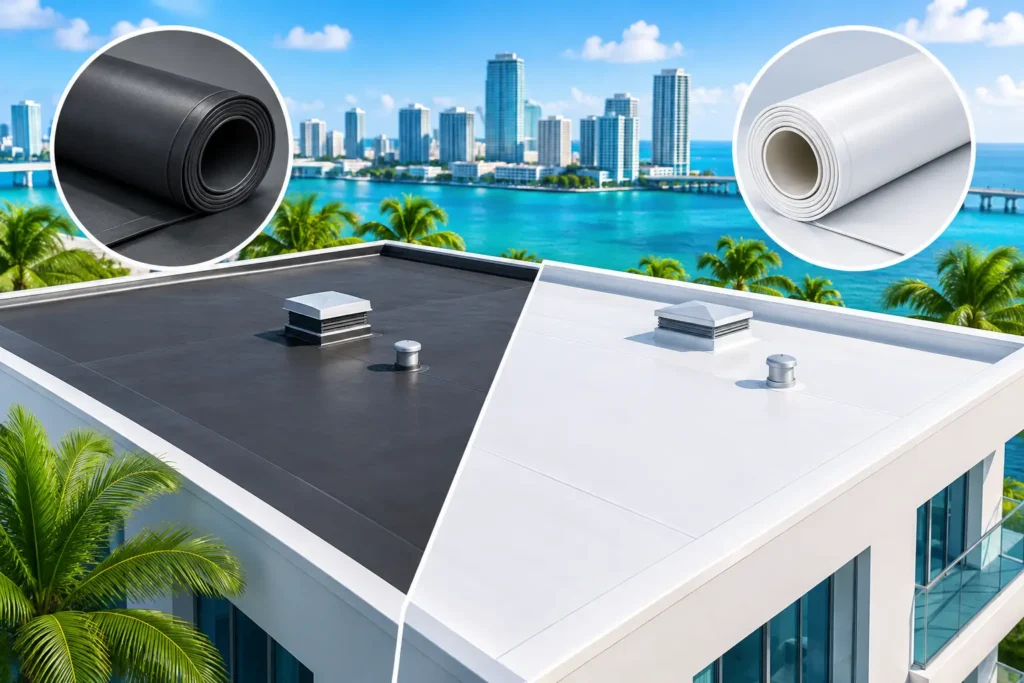
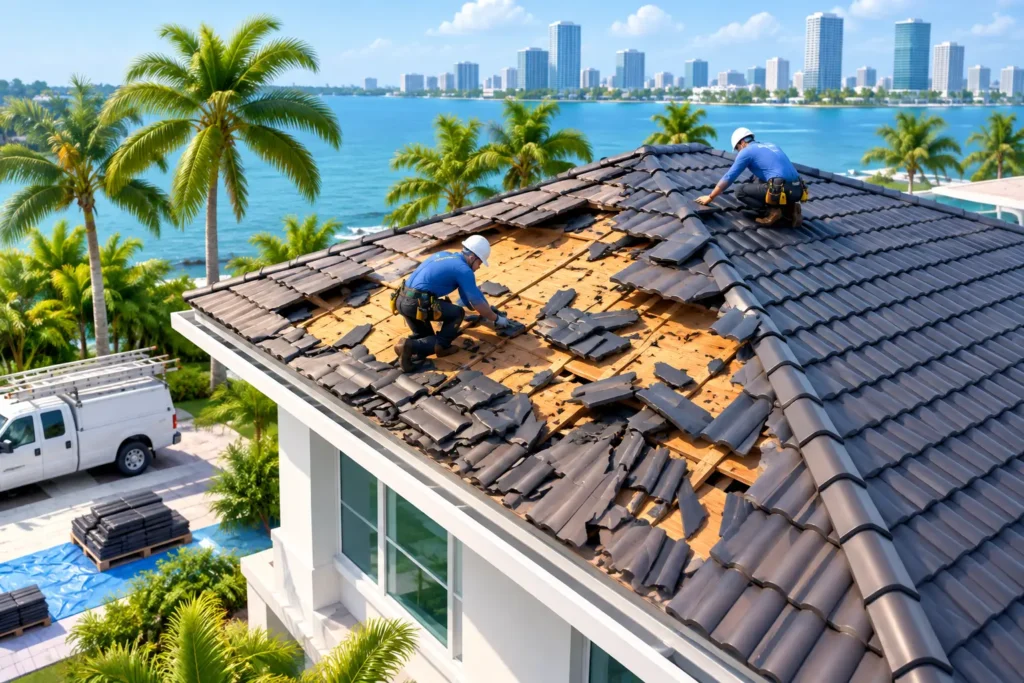
A permit is generally required for a roof replacement, whether the property has asphalt shingles, tile, metal, modified bitumen, TPO, PVC, or another system. Replacing the roof covering is a major building-envelope project, especially in South Florida’s High-Velocity Hurricane Zone. The permit review helps confirm that the selected materials, fastening methods, underlayment, flashing, and installation details meet the applicable code.
Permits are also commonly needed when work involves roof decking, structural repairs, changes to the roof design, new drainage components, or a change in roofing material. For example, changing from a shingle roof to a heavier tile system may require additional review because the structure must support the added load. Converting a low-slope roof to a different membrane system can also require updated details for drainage, edge metal, and attachment.
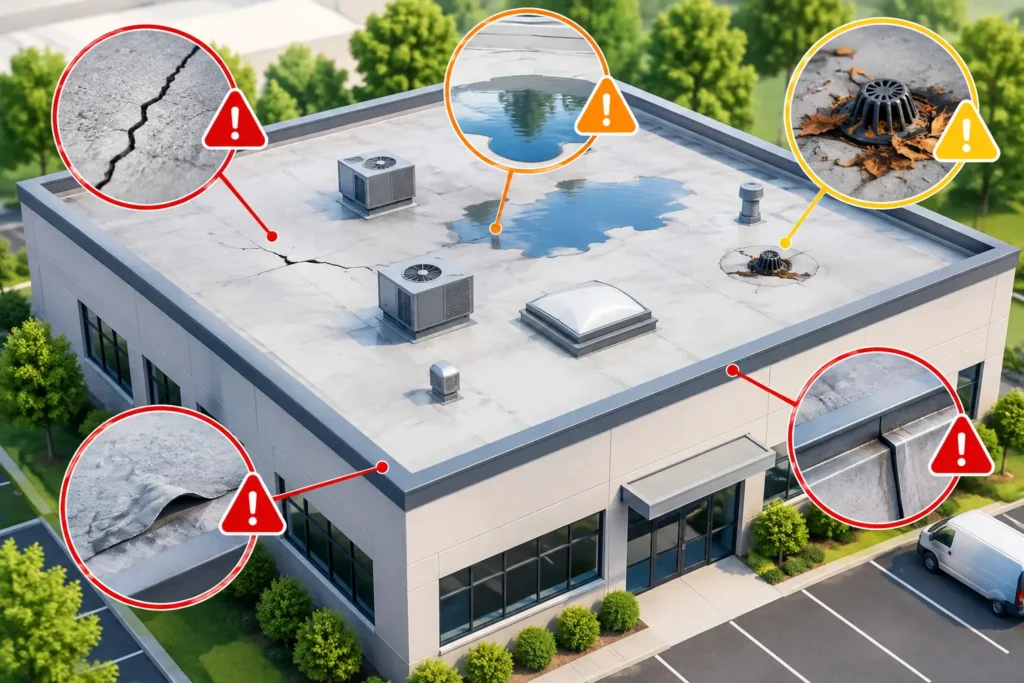
Commercial roofing projects almost always require more documentation. Flat roofs may include insulation upgrades, tapered systems to correct ponding water, rooftop equipment curbs, drains, scuppers, parapet flashing, and other components that need to be shown on plans. A proper permit package protects the property owner by putting the project on record and requiring inspections at key points.
What About Small Roof Repairs?
This is where homeowners often get mixed answers. Some minor maintenance or limited repairs may be exempt from permitting, but the exemption is not a free pass for any leak repair. Local rules can differ between Miami-Dade County and individual municipalities, and the amount of roof area being repaired can change the answer.
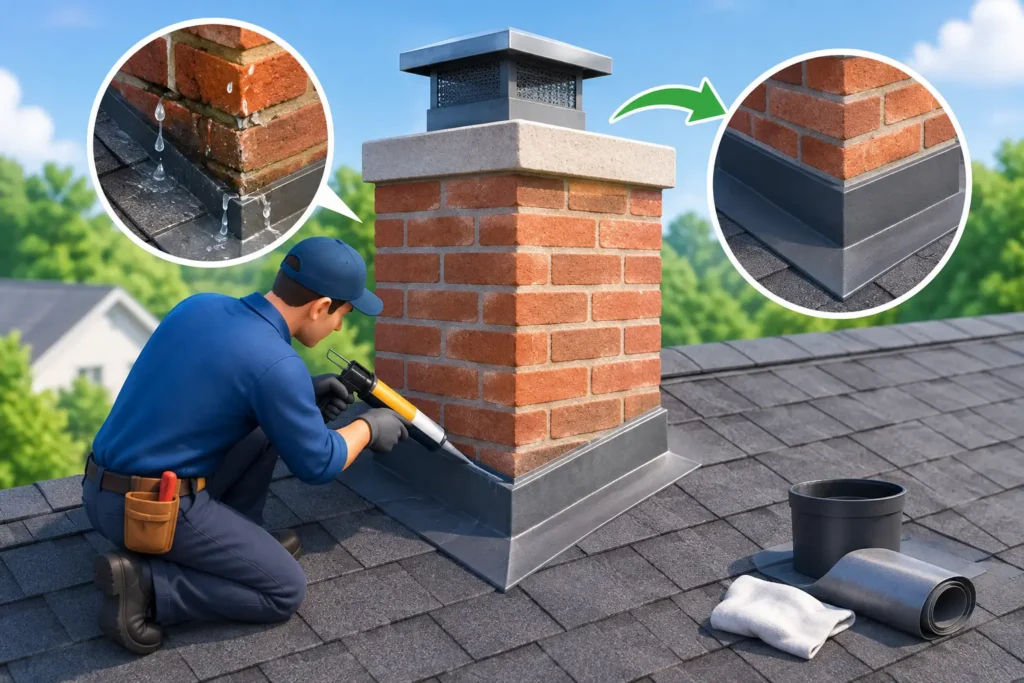
A small, isolated repair may not need a permit if it does not alter the roof structure or involve a substantial portion of the roof covering. But if the damaged area is widespread, the decking is deteriorated, flashing must be extensively rebuilt, or the work becomes a partial reroof, a permit may be required. Hurricane damage can complicate matters further because hidden moisture, lifted materials, and compromised fasteners may turn what looked like a simple repair into a larger code-regulated project.
The honest answer is that it depends. A contractor should inspect the roof, document the damage with photos, define the proposed scope, and verify requirements with the authority having jurisdiction before work begins. No pressure, no guessing, and no vague promises that a permit will somehow be handled later.
Why Miami-Dade Roofing Permits Are Different
Miami roofing is not generic roofing. The region’s wind requirements are among the strictest in the country because roofs are exposed to hurricanes and severe tropical weather. A roof system must work as a connected assembly: deck, underlayment, fasteners, flashing, edge metal, roof covering, and penetrations all have to perform together.
Permit reviewers and inspectors may look for product approvals, manufacturer specifications, fastening schedules, and installation details that match the approved roofing system. Materials that may be acceptable elsewhere in Florida are not automatically acceptable for every Miami-Dade project. The roof must be designed and installed for the building, its exposure, and the local code requirements.
Salt air is another local concern, particularly near the coast. Metal flashings, fasteners, and edge components need to be selected carefully to resist corrosion. A cheap repair that mixes incompatible metals or uses the wrong fasteners can fail long before the roof covering reaches the end of its useful life. The permit process does not replace good workmanship, but it helps establish a baseline that protects the building.
Documents That May Be Needed for a Roof Permit
The paperwork varies by project, but a qualified contractor should be prepared to provide the items the local building department requests. For a straightforward residential reroof, that may include a permit application, contractor license and insurance information, a detailed scope of work, roofing material information, and applicable product approvals.
More complex jobs may require drawings, engineering documents, energy compliance information, structural details, or notices related to the property. Commercial projects may also need plans that identify drainage paths, insulation thickness, roof penetrations, equipment supports, and fire or wind classifications.
Property owners should not have to chase down technical documents alone. Before signing a contract, ask who will pull the permit, what materials are being submitted, whether permit fees are included in the quote, and whether the contractor will schedule and attend required inspections. Clear answers upfront prevent the most common surprise: a low initial quote that suddenly grows after work is underway.
The Inspection Process Is There for a Reason
Most reroof projects involve inspections at one or more stages. The timing depends on the roof type and local rules. An inspector may need to see the deck condition and attachment, underlayment, flashing details, or the completed roof system before the permit can be finalized.
Do not view this as needless red tape. Inspections can catch missing fasteners, damaged decking, poorly installed drip edge, inadequate flashing, or material substitutions before those mistakes are buried under the finished roof. On a South Florida roof, those details are often the difference between a system that holds through a storm and one that starts leaking at the first hard wind-driven rain.
A professional contractor should coordinate inspections without leaving the owner in the dark. You should know when the permit is issued, what stage the project has reached, whether an inspection passed, and whether anything needs correction. Photo documentation is valuable here because it gives you a record of the work that will no longer be visible once the roof is complete.
Risks of Skipping Roof Permit Requirements
Unpermitted roofing work can create immediate and long-term trouble. A building department can issue a stop-work order, which delays the project and may expose unfinished areas to rain. If the work is already completed, the owner may have to pay penalties, open portions of the roof for inspection, or remove and redo work that cannot be verified.
There are financial risks too. Insurance carriers may question undocumented repairs or replacements after a storm claim. A buyer, lender, or property inspector may flag unpermitted work during a sale or refinance. Even if the roof looks fine from the ground, missing records can slow a transaction and raise doubts about whether the system was installed correctly.
The lowest price is not always the lowest cost. A contractor who suggests avoiding permits without clearly explaining the legal exemption is asking the owner to take on unnecessary risk. Good roofing is built to protect the property for years, not just to look finished on the day the crew leaves.
How to Keep Your Roofing Project Moving
Start with a thorough inspection and a written scope that identifies whether the work is a repair, restoration, or replacement. That distinction affects the permit path, materials, timeline, and price. If there is storm damage or an active leak, document it early with photos and keep records of temporary protection measures.
Next, confirm that the contractor is licensed and insured for the work being performed. Ask for a clear estimate that separates the roofing scope, permit fees when applicable, and any potential added work such as deck replacement. Deck damage is often hidden until old materials are removed, so a trustworthy contractor will explain how that situation is handled before the job starts.
Finally, choose a contractor who understands Miami-Dade conditions rather than treating the permit as an afterthought. Flash Roofing & Sheet Metal approaches every roof as a complete protection system, with the documentation, material selection, and installation details needed to do the job correctly the first time.
A permit does not guarantee a perfect roof, but a properly permitted project gives you a stronger starting point: documented work, required inspections, and a roof built for the weather Miami actually delivers.