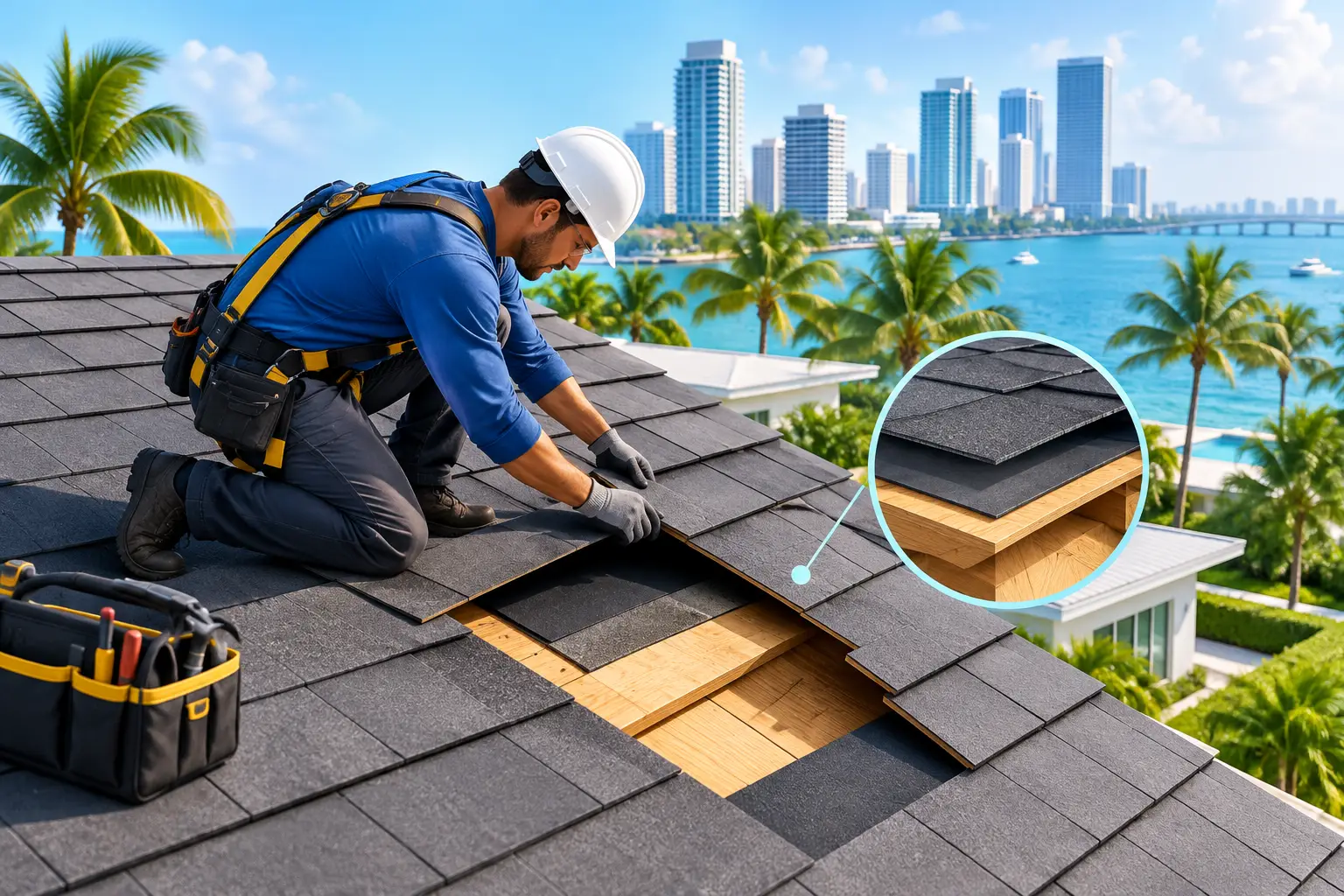
A ceiling stain is rarely the whole problem. Water can enter at a cracked flashing, travel along the roof deck or a rafter, and show up several feet away inside your home or building. That is why root cause roof repair matters. It is the difference between covering a symptom and correcting the failure that allowed water in.
In Miami-Dade, that distinction is not minor. Roofs deal with hard sun, sudden downpours, heavy humidity, salt air, and hurricane-force winds. A repair that looks fine on a dry day can fail quickly when the next storm pushes water under loose metal, through an open seam, or behind a poorly sealed penetration. The right repair starts with proof, not guesswork.
What Root Cause Roof Repair Actually Means
Root cause roof repair is a method of finding the original source of a roof failure, the conditions that caused it, and any damage created along the way. The visible leak may be in a bedroom, hallway, storefront, or mechanical room. The actual issue may be a damaged pipe boot, lifted tile, deteriorated flat-roof seam, corroded flashing, clogged drainage path, or failing wall transition.
A superficial patch can stop a drip temporarily. Sometimes that is appropriate as an emergency measure when active rain is coming in. But a temporary patch is not the same as a durable repair. If the water path, aged material, loose fastening, or drainage problem remains, the leak often returns – usually when the weather is at its worst.
A proper diagnosis asks direct questions: Where is water entering? What material failed? Why did it fail now? Has moisture reached the underlayment, insulation, deck, or interior framing? Is the issue isolated, or is it evidence that the roof is nearing the end of its useful life?
Why Miami Roof Leaks Need a Different Approach
South Florida roofs work under conditions that many generic repair methods do not address. UV exposure dries and weakens sealants. Heat causes roofing materials to expand and contract. Humidity keeps damp areas from drying as quickly as they should. Salt air can speed corrosion on exposed fasteners, flashing, and metal components. Then a tropical storm tests every seam, edge, and penetration at once.
On a tile roof, the tile you see may not be the real problem. Tile can crack, shift, or become loose, but the water-resistant underlayment beneath it is often what determines whether water reaches the deck. Replacing one broken tile without checking the underlayment, flashing, and attachment around it may not solve the leak.
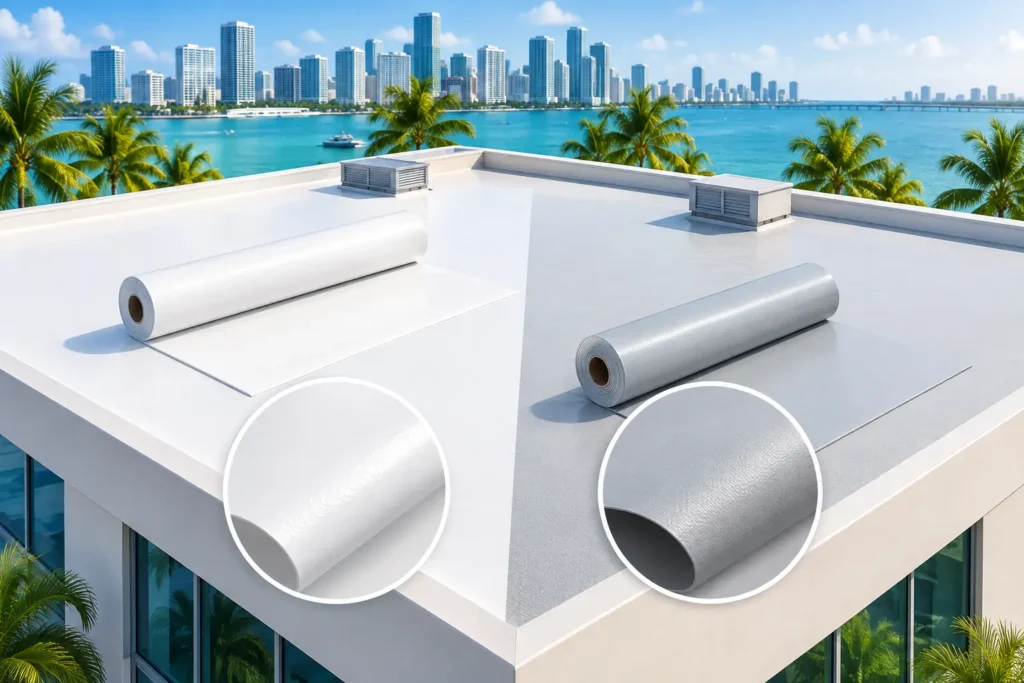
Flat and low-slope commercial roofs have their own trouble spots. Ponding water, open laps, failed termination bars, split membrane seams, and clogged scuppers can all create repeat leaks. A coating may extend the life of a sound roof system, but coating over trapped moisture, failed seams, or deteriorated substrate is not a fix. It can hide the problem until it becomes more expensive.
The Inspection Comes Before the Repair
No-nonsense roof repair begins with a close inspection of the roof and the affected area inside the property. That means looking beyond the obvious stain or missing shingle. An experienced roofer checks transitions, roof edges, valleys, penetrations, vents, skylights, drains, flashing, and areas where different roofing materials meet.
Photo documentation is useful because it gives property owners a clear view of what the contractor found. You should be able to see the damaged component, understand the recommended scope, and know whether the repair is intended to be temporary, targeted, or part of a larger restoration plan. No mystery fees. No vague explanation that you simply need to “fix the roof.”
Moisture can also complicate the diagnosis. A leak may be intermittent, appearing only during wind-driven rain from a particular direction. Condensation from HVAC equipment or plumbing can sometimes mimic a roof leak. On commercial buildings, multiple roof layers and equipment curbs add more possible paths for water. That is why a careful inspection matters more than rushing to apply sealant.
Signs the problem may be larger than one small patch
A single damaged detail can often be repaired. But repeated interior stains, soft roof decking, widespread blistering on a membrane, multiple cracked tiles, rusting flashings, or leaks in several areas may point to a broader system problem. An honest contractor should explain the trade-off.
Targeted repair makes sense when the roof is otherwise in good condition and the failure is clearly isolated. Restoration, coating, or replacement may be the better value when repairs are becoming frequent or the underlying roofing materials are worn out. The cheapest immediate option is not always the least expensive choice over the next few storm seasons.
Common Causes Behind Repeat Roof Repairs
Repeat leaks usually have a reason. In South Florida, poor workmanship is one of the most frustrating. This can include flashing that was not integrated correctly, exposed fasteners with failed seals, tiles installed without proper securement, or membrane repairs made without preparing and bonding the surface correctly.
Aging materials are another common cause. Roof sealants, pipe boots, underlayment, and coatings all have service lives. Miami heat and UV exposure can shorten them, particularly when maintenance is delayed. Water may also enter through a small opening and slowly damage the deck beneath a roof surface that still looks acceptable from the ground.
Drainage deserves close attention on flat roofs. Water that remains after normal drying time adds stress to seams and penetrations while increasing the chance of debris buildup. The answer may be cleaning drains and scuppers, correcting a local low spot, repairing a membrane section, or addressing a larger slope issue. It depends on what the inspection shows.
Storm damage can be obvious, such as missing shingles or displaced tiles. It can also be subtle. High winds may loosen edges, lift flashing, or break seals without leaving a dramatic hole. After a major weather event, early inspection can catch small failures before rain reaches insulation, drywall, electrical components, or inventory.
What a Durable Repair Should Include
The repair method should match the roof system. A quality repair on a shingle roof may require replacing damaged shingles, repairing underlayment, and resealing or replacing flashing. On a tile roof, it may involve carefully removing tiles, repairing the waterproofing layer below, correcting flashing, and reinstalling or replacing tile with proper attachment.
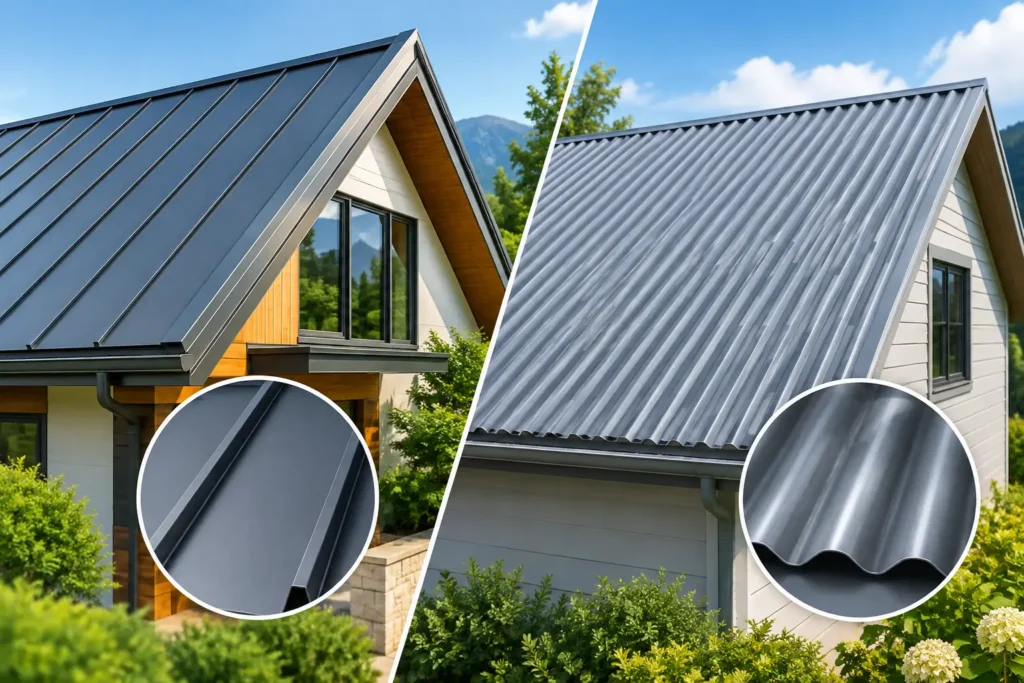
For a flat roof, durable work may mean cutting out saturated material, repairing the substrate if needed, installing compatible membrane patches with correct overlap, and reinforcing details around drains, curbs, pipes, or parapet walls. Metal roof repairs may require addressing corrosion, failed fasteners, loose panels, and deteriorated sealants rather than simply adding more caulk to the surface.
Compatibility matters. Not every coating, sealant, adhesive, or patch material works with every roofing system. Using the wrong product can cause adhesion failure or create a repair that breaks down under sun and standing water. Licensed, insured roofing professionals should know the system they are repairing and the local code requirements that apply.
Flash Roofing & Sheet Metal approaches repairs with that standard: identify the source, show the condition, explain the scope, and do the work correctly the first time. A repair should give you a clear answer about what failed, not leave you waiting to see whether the next rain exposes the same issue again.
Protect the Repair With Regular Attention
Even a well-built roof benefits from routine inspections. For homes, checking the roof before and after hurricane season is a practical habit. For commercial properties, scheduled maintenance is especially valuable because drains, rooftop equipment, seams, and edge details need consistent attention.
Keep gutters, drains, and scuppers clear. Trim branches that can scrape roofing materials or drop heavy debris. Watch for ceiling stains, peeling paint, musty odors, and changes around vents or skylights. Those signs do not always mean a major roof failure, but they are worth investigating before a small issue turns into wet insulation, damaged decking, or interior repairs.
When a roof leaks, do not settle for a quick surface patch without an explanation. Ask to see the source, ask what caused the failure, and ask whether the proposed repair addresses the full water path. In Miami, a roof has to earn its keep in every storm. Do it once, do it right.