A roof can look acceptable from the driveway and still be one hard Miami rainstorm away from a serious leak. The best signs roof needs replacement are not always dramatic at first. They often start with repeat repairs, hidden moisture, loose materials, and wear that has reached beyond a simple fix.
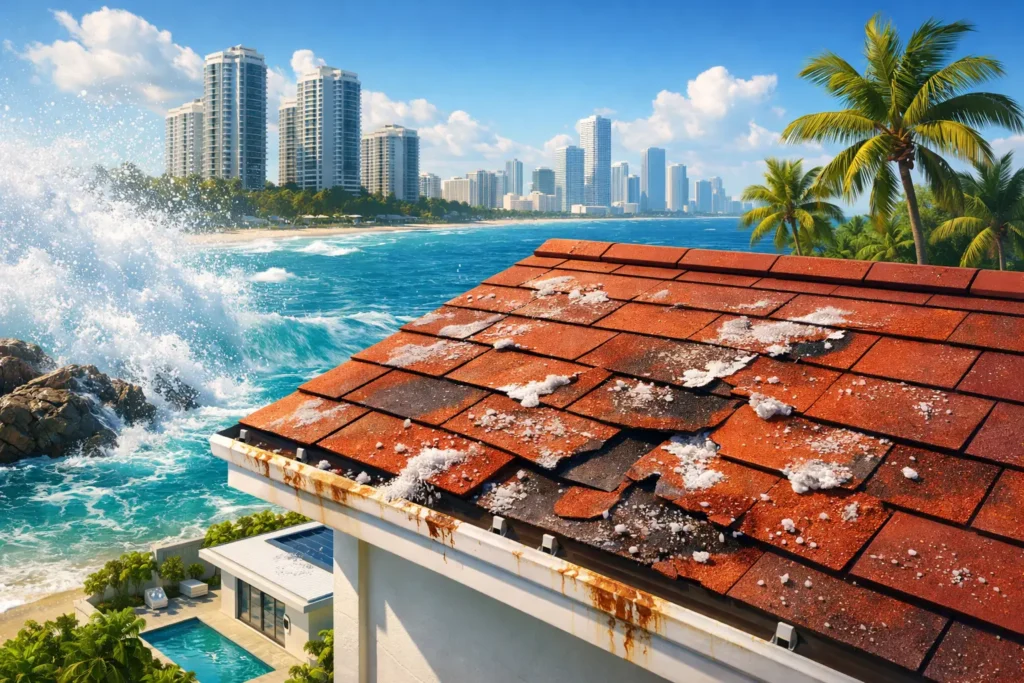
South Florida roofs work harder than roofs in most parts of the country. Relentless UV exposure, heat, wind-driven rain, humidity, salt air, and hurricane conditions can shorten the useful life of shingles, tile underlayment, metal components, and flat roofing membranes. Knowing what to look for helps you address the real problem before water damages ceilings, insulation, electrical systems, inventory, or interior finishes.
The Best Signs Your Roof Needs Replacement
A replacement is not automatically the answer every time a roof leaks. A localized leak caused by a failed boot, cracked flashing, or a small puncture may be repairable. The question is whether the issue is isolated or whether the roof system is showing broad failure.
Leaks Keep Coming Back
One leak does not necessarily mean the roof is finished. But recurring leaks in different areas, or the same leak returning after multiple repairs, deserve a closer look. Repeated patching can become expensive without solving deteriorated underlayment, compromised seams, saturated insulation, or aging flashing.
For flat commercial roofs, ponding water and seam failures can allow moisture to travel far from the visible stain inside. On tile roofs, the tile may still look intact while the underlayment underneath has broken down. If repairs are becoming a regular line item in your maintenance budget, replacement may be the more honest long-term option.
Water Stains, Mold, or Soft Interior Areas
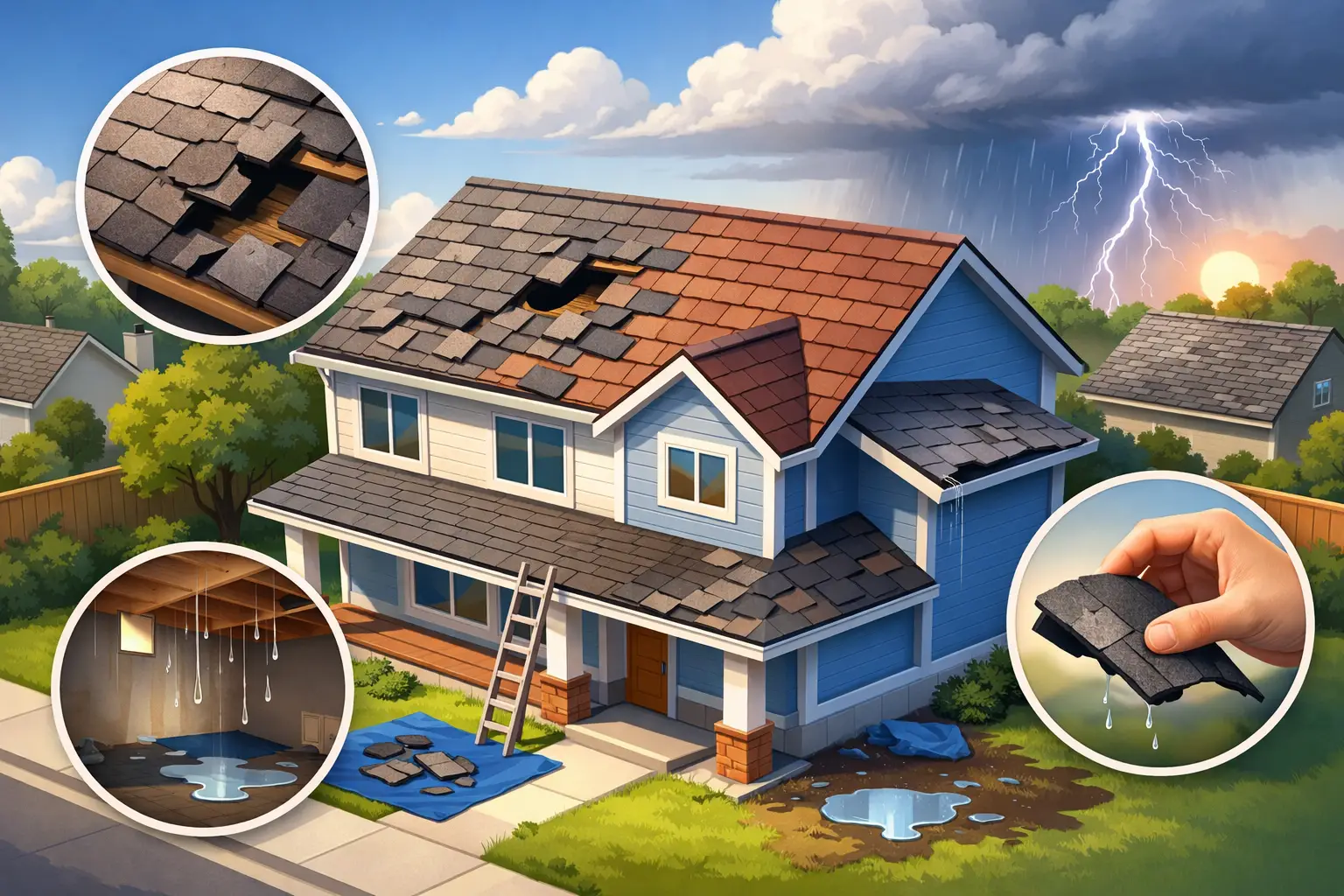
Brown ceiling stains, peeling paint, bubbling drywall, mildew odors, and damp attic insulation are all warning signs. Some stains are old, so they do not always prove an active leak. Still, they should be inspected, especially after heavy rain or a tropical storm.
A soft spot in the ceiling or wall requires quick action. That can indicate significant trapped moisture. Water does not just affect appearance. Over time, it can damage wood framing, create mold conditions, corrode metal components, and weaken parts of the building envelope.
Shingles Are Curling, Cracking, or Losing Granules
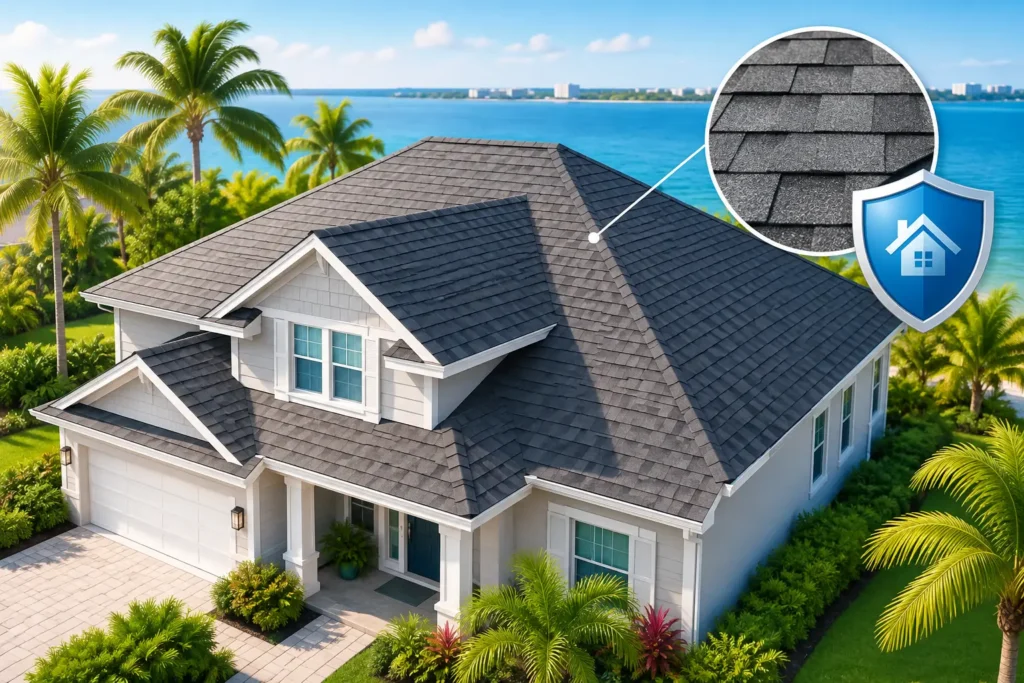
Shingle roofs often give visible clues when they are nearing the end of their service life. Curling edges, widespread cracking, missing tabs, bald patches, and granules collecting in gutters or around downspouts all point to weathering.
Miami heat accelerates this process. As shingles lose their protective granule layer, the asphalt beneath takes more direct UV exposure and becomes more brittle. A few damaged shingles after a storm may be repairable. Widespread deterioration across multiple slopes usually means the roof is no longer providing dependable protection.
Tile Is Cracked, Loose, or Hiding Underlayment Failure
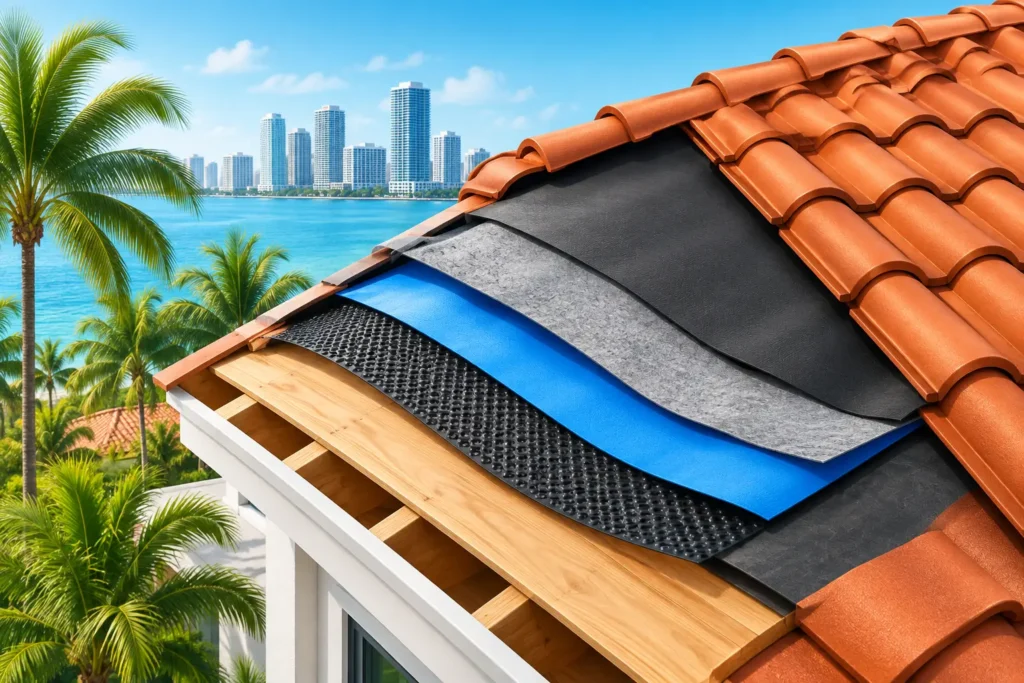
Tile is durable, but a tile roof is more than the tiles you can see. Its underlayment, flashing, fasteners, vents, and attachment methods all matter. Individual cracked or slipped tiles can often be replaced. The concern rises when there are many damaged tiles, recurring leaks, or evidence that the underlayment has reached the end of its useful life.
Do not assume a tile roof is sound because it still looks attractive. In South Florida, wind uplift, sun exposure, and moisture can affect the materials below the tile long before the roof looks obviously worn from ground level.
Flat Roof Seams, Blisters, and Ponding Water Are Growing
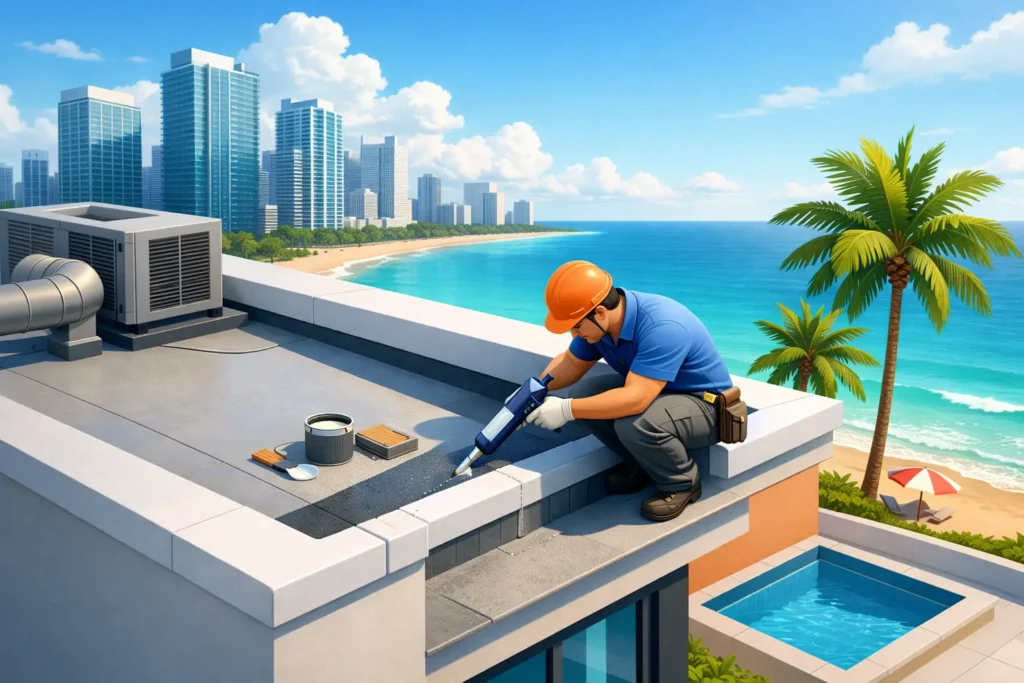
Flat and low-slope roofs need special attention because water drainage is a major part of their performance. Water that remains on a roof for more than 48 hours after normal weather conditions can signal poor drainage, settlement, clogged drains, or a failing roof assembly.
Look for open seams, cracked coating, blisters, exposed reinforcement, wrinkled membrane, or areas that feel soft underfoot. These conditions can allow water below the surface, where it may spread through insulation and decking. A coating can extend the life of a roof when the underlying system is still in good condition. It will not correct widespread moisture damage or failed membrane seams.
Metal Components Show Rust or Corrosion
Salt air makes corrosion a real concern throughout Miami-Dade, especially near the coast. Rusted fasteners, flashing, valleys, drip edges, roof penetrations, and metal panels can create entry points for water. On a metal roof, corrosion around screws and seams needs prompt attention before small openings widen.
Not every rust spot calls for full replacement. The decision depends on whether corrosion is surface-level and isolated or whether it has compromised the metal, fastening system, or waterproofing details. A proper inspection should identify the condition beneath the visible rust, not just paint over it.
The Roof Is Near or Beyond Its Expected Service Life
Age alone does not determine whether a roof must be replaced, but it is a practical factor. A roof that is approaching the end of its expected lifespan deserves regular professional inspection, particularly before hurricane season. The actual lifespan depends on the material, installation quality, ventilation, maintenance history, drainage, storm exposure, and local conditions.
A well-maintained roof may last longer than expected. On the other hand, a poorly installed roof can fail much earlier. That is why an honest assessment should be based on present condition, not a one-size-fits-all age chart.
When Repair Still Makes Sense
Repair is often the right choice when the damage is limited and the rest of the roof is performing well. A new leak around a vent, a handful of wind-damaged shingles, a small area of membrane damage, or several broken tiles can be repaired without replacing the entire system.
The key is finding the root cause. A low-cost patch that ignores failed flashing, poor drainage, loose attachment, or water below the surface may look fine until the next storm. Ask for clear explanations and photo documentation of the damaged areas so you can see what is being recommended and why.
Why Miami Roofs Need a Local Evaluation
South Florida roofing decisions should account for hurricane-zone requirements, local permitting, drainage needs, wind resistance, and material performance in extreme heat and moisture. A solution that works in a dry inland climate may not hold up the same way in Miami.
For commercial owners and property managers, the stakes are even higher. A failing roof can disrupt tenants, damage equipment, affect operations, and lead to expensive interior repairs. Planning a replacement before a major failure gives you more control over timing, material selection, budget, and tenant communication.
What a Thorough Roof Inspection Should Tell You
A useful inspection should give you more than a quick glance from a ladder. It should identify visible damage, likely leak sources, drainage concerns, material condition, flashing and penetration issues, and whether repairs will realistically hold. For low-slope roofs, it should also consider seams, penetrations, ponding areas, and signs of trapped moisture.
You should leave the inspection with a clear answer: repair now, monitor with maintenance, restore or coat the roof if appropriate, or plan a replacement. No pressure and no mystery fees. Just the condition of your roof, the work it needs, and the reason behind the recommendation.
If your roof has survived several storms, has started leaking more than once, or shows visible wear across large areas, do not wait for the next heavy downpour to make the decision for you. Flash Roofing & Sheet Metal can provide a straightforward assessment built for Miami conditions, so you can protect the property and do the job correctly the first time.