Thirty years of roofing across Miami-Dade and the Florida Keys taught us one thing most homeowners learn too late: your roof has an expiration date, and Miami’s climate moves that date forward. The average roof lifespan by material ranges from 15 years for basic flat systems to 75+ years for properly maintained tile. But those numbers shift when you factor in salt air, 62 inches of annual rainfall, and Category 3 wind loads.
Most roofs we inspect are older than their owners think. If your roof is past the 15-year mark, knowing where it stands could save you from emergency repairs during hurricane season. Schedule a free inspection and we will give you an honest assessment.
This guide breaks down how long each roofing material actually lasts in South Florida, what shortens or extends that number, and how to tell when replacement is the smarter move over another round of repairs.
How Long Does Each Roofing Material Last?
A roof’s lifespan depends on the material, the installation quality, and how hard your local climate works against it. Here are the realistic ranges we see in Miami-Dade, not manufacturer estimates from a test lab in Ohio.
Asphalt shingles (3-tab) — 15 to 20 years. The most affordable option and the most common on single-family homes. Miami’s UV intensity and summer heat cycles accelerate granule loss. We see 3-tabs failing at 12 to 15 years regularly on homes with poor attic ventilation in Homestead and Florida City
Architectural shingles — 25 to 30 years. Thicker, more wind-resistant, and they hold up better in HVHZ zones. Still, the underlayment underneath often needs attention before the shingles themselves wear out. Worth the upgrade over 3-tab if you plan to stay in the home more than 10 years
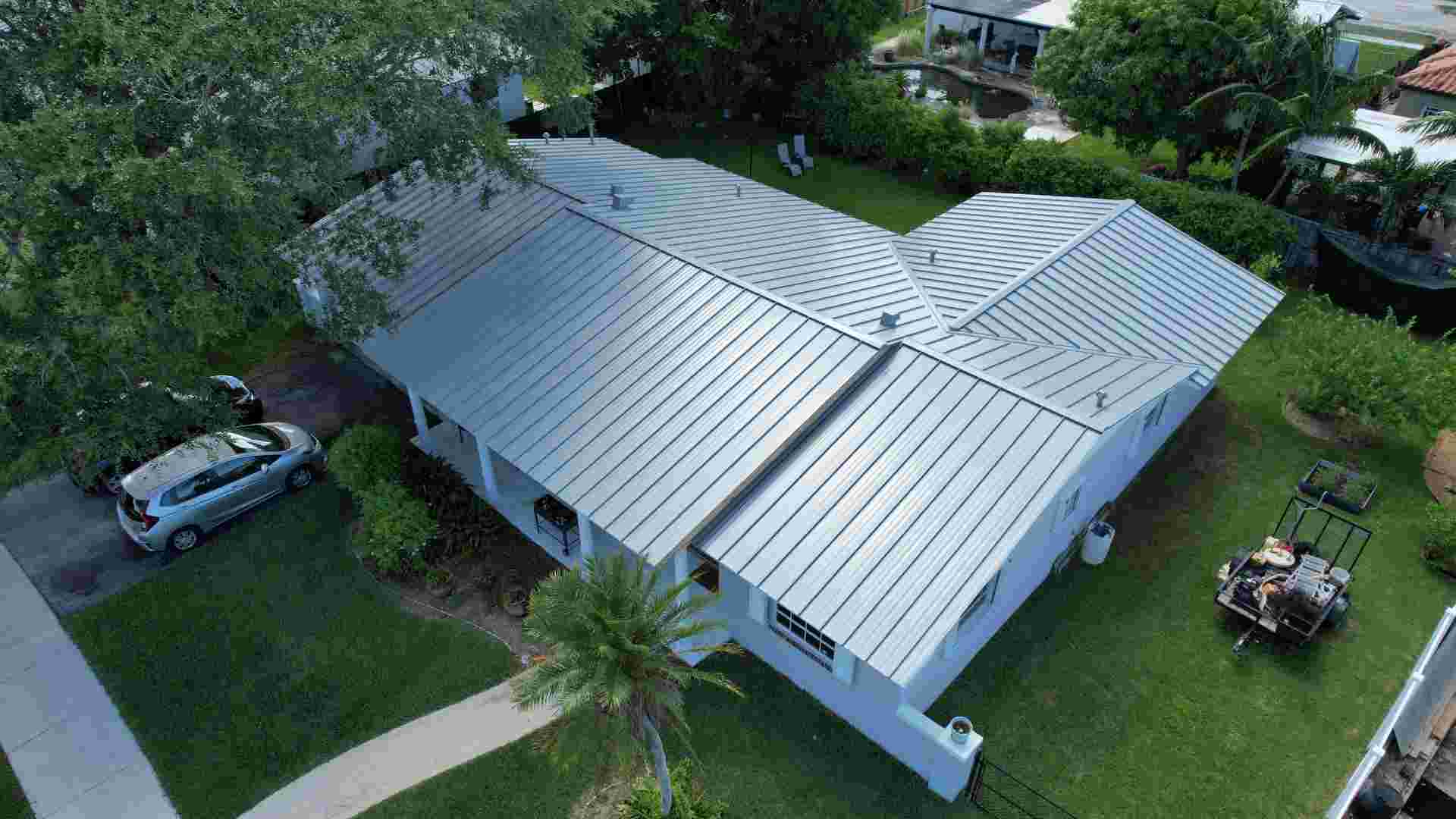
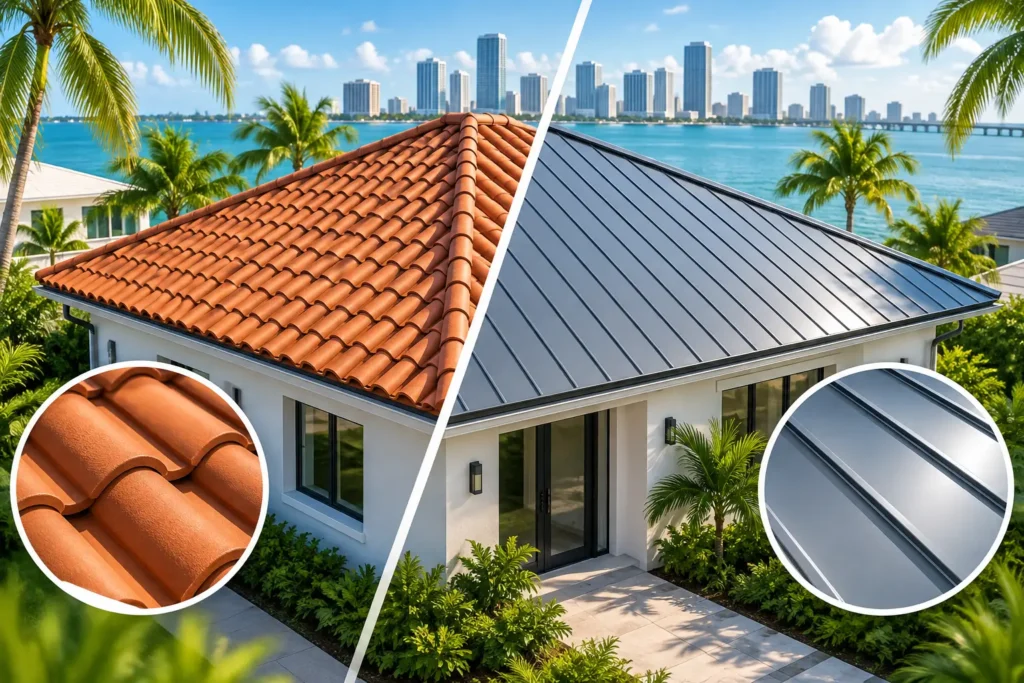
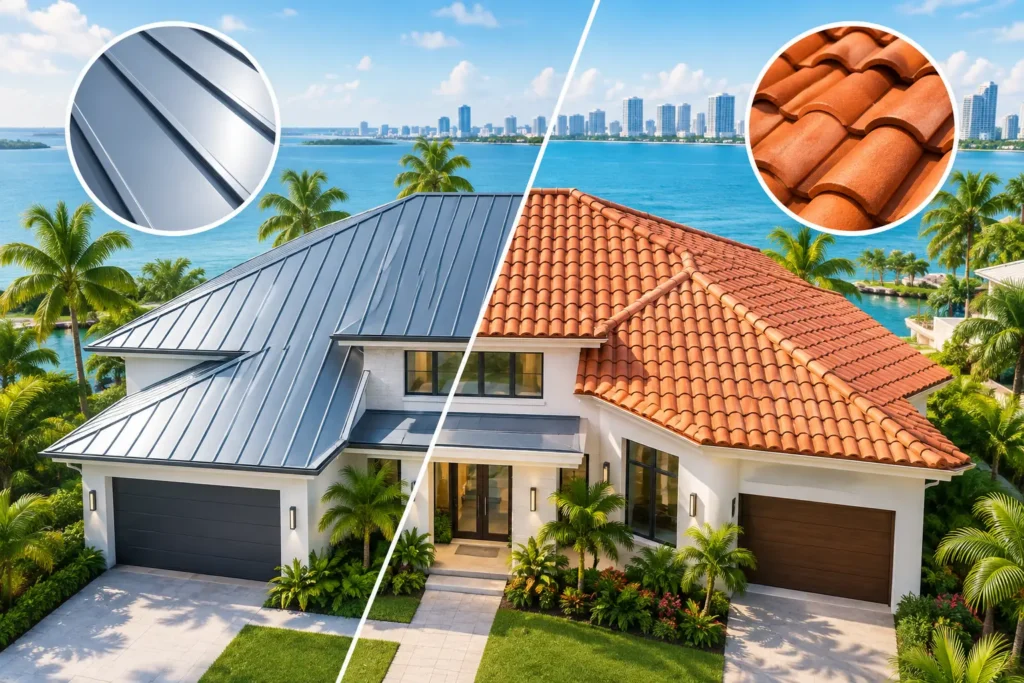
Standing seam metal roofing — 40 to 70 years. The longest-lasting practical option for Miami residential. Resistant to wind, fire, and salt air corrosion when coated properly. We install more standing seam metal than any other premium system
Barrel tile (clay or concrete) — 40 to 75 years for the tiles themselves. Here is what most homeowners do not know: the tiles outlast the underlayment beneath them. We replaced a 45-year-old barrel tile roof in Coral Gables last year. The tiles looked fine from the street. Underneath, the felt paper had disintegrated and water was sitting on the deck
Slate — 75 to 100+ years. Looks great on paper. In practice, we almost never install it in Miami. The weight requires structural reinforcement most South Florida homes were not built for, and the cost per square foot makes it impractical for all but the highest-end custom builds
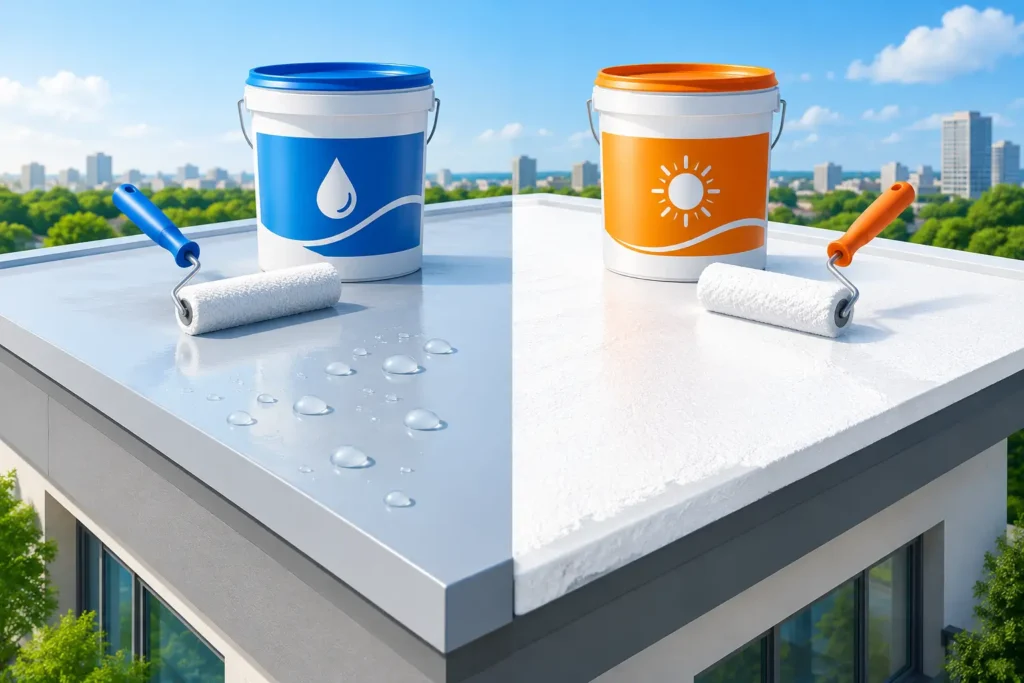
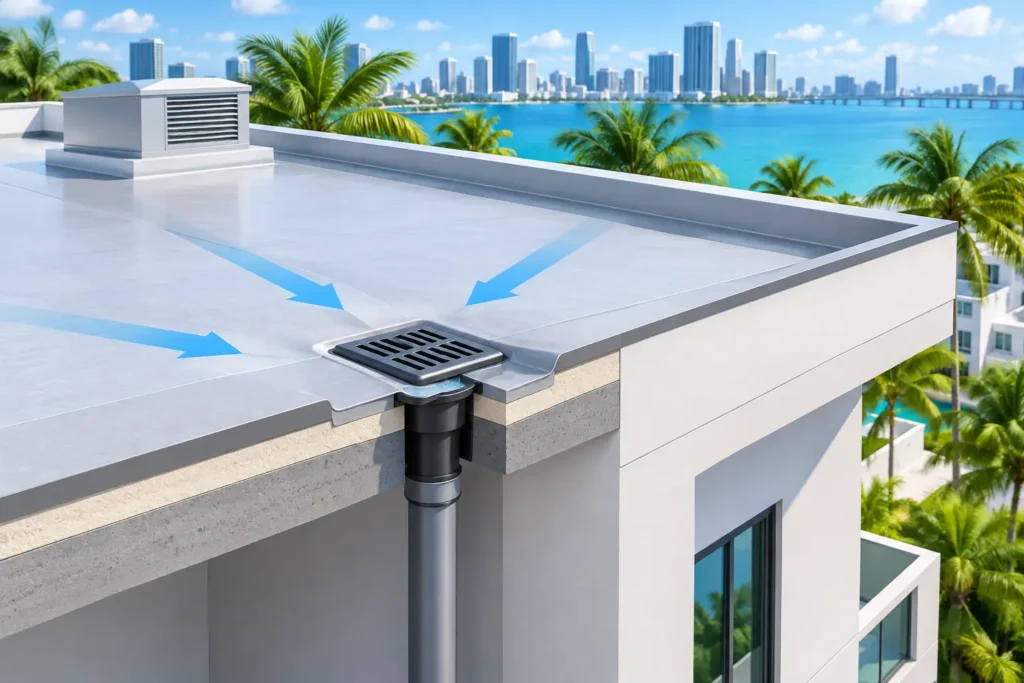
Flat roof systems (TPO, modified bitumen, spray foam) — 15 to 30 years depending on the material and coating system. TPO and mod-bit sit at the lower end. Spray foam with silicone coating pushes toward 25 to 30 years when recoated every 10 to 15 years
Think about it this way: the material sets the ceiling. Your climate, your contractor, and your maintenance habits decide where you actually land within that range.
What Factors Shorten or Extend Roof Life in Miami?
Miami is not a normal roofing environment. Every factor that shortens roof lifespan is amplified here. Per NOAA data, Miami-Dade averages 62 inches of rainfall annually. Add year-round UV exposure, salt air within 5 miles of the coast, and hurricane-force winds rated to the HVHZ standard under the Florida Building Code.
Here is what we see accelerating roof failure across our service area:
Salt air corrosion — Metal fasteners, flashing, and exposed steel components degrade faster near the coast. Homes in Miami Beach, Sunny Isles, and the Keys need marine-grade materials or coated fasteners. Standard galvanized hardware corrodes in under 10 years on oceanfront properties
UV and heat cycling — Miami’s daily UV index averages 10+ for six months of the year. Asphalt shingles lose granules faster here than anywhere north of the Tropic of Cancer. We see visible granule accumulation in gutters by year 8 on south-facing slopes
Hurricane wind loads — HVHZ standards require roofing systems to withstand 170 mph wind gusts. A roof that meets code survives storms. A roof installed by an unlicensed crew with the wrong fastener spacing does not. We have inspected hundreds of post-storm roofs and the failure pattern is consistent: poor installation, not poor materials
Humidity and trapped moisture — South Florida humidity sits above 70% most of the year. Without proper ridge and soffit ventilation, moisture gets trapped in the attic space and rots the decking from below. We scan for moisture with infrared during every roof inspection
Which Roof Material Lasts Longest in Miami's Climate?
For Miami-Dade residential homes, metal and tile are the clear leaders in lifespan and hurricane performance. Standing seam metal roofing delivers 40 to 70 years of service with almost zero maintenance beyond periodic coating inspections. Barrel tile matches that range, though the underlayment replacement at year 20 to 25 adds cost that homeowners do not always anticipate.
Look: if you are building new or doing a full replacement and plan to own the property for 15+ years, metal roofing gives you the best return in this climate. It handles salt air, meets HVHZ wind uplift requirements without mechanical fastener penetrations, and reflects heat to cut FPL bills by 15% to 25%.
For homeowners on a tighter budget, architectural shingles remain a solid choice. They are not the longest-lasting option, but at $3.50 to $5.50 per square foot installed, they deliver 25 to 30 years of protection when installed correctly and ventilated properly. We would rather recommend the right material for your budget than upsell you on something that does not fit your situation.
How Much Does It Cost to Replace a Roof by Material?
Cost per square foot varies by material, roof complexity, and whether tear-off is needed. These are the ranges we quote across Miami-Dade as of 2026, including materials, labor, permit, and cleanup.
The longest-lasting material is not always the best value for your situation. A homeowner planning to sell in 5 years does not need a standing seam metal roof. Architectural shingles at a third of the cost make more sense. We walk through your specific numbers during every free roof inspection.
How Do You Know When Your Roof Needs Replacing?
Different materials fail differently. Knowing what to look for saves you from the surprise phone call when a roofer tells you the whole thing needs to come off.
Shingle Roofs
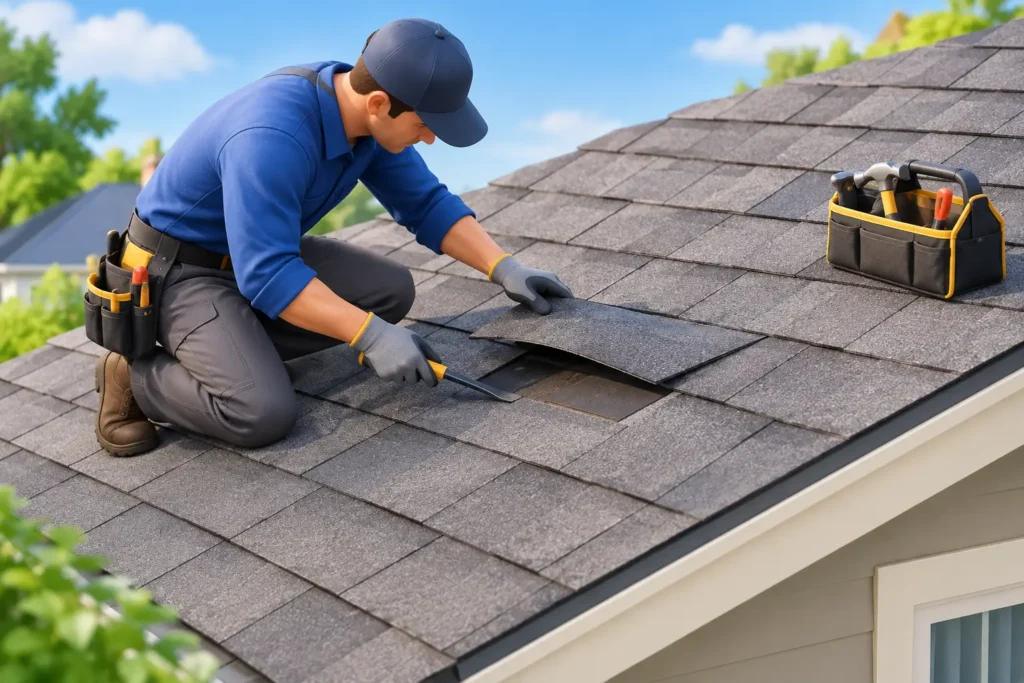
Curling edges, cracked or missing shingles, and dark patches where granules have worn away. Check your gutters after heavy rain. If you see a layer of grit at the bottom, your shingles are shedding their protective surface. We inspected a 22-year-old shingle roof in Kendall last spring that looked decent from the driveway. Up close, 40% of the shingles had lost their granule coating on the south-facing slope. The homeowner had no idea.
Tile Roofs
Cracked, shifted, or missing tiles are obvious. The hidden problem is underneath. Tile roofs in Miami commonly need underlayment replacement at 20 to 25 years even when the tiles are in perfect condition. If you see water stains on interior ceilings under a tile roof that looks fine from outside, the underlayment has likely failed.
Metal Roofs
Properly installed metal rarely fails structurally. Watch for loose fasteners, lifting seams during high winds, and surface corrosion on coated panels. Near the coast, check annually for white oxidation spots on steel components. Aluminum and copper are virtually maintenance-free in salt air environments.
Flat Roofs
Ponding water that sits for 48+ hours after rain, visible membrane bubbling, soft spots when you walk the surface, and seam separation. Flat roofs need annual inspections because problems develop where you cannot see them from the ground. We catch most flat roof failures during routine inspections before they cause interior damage.
FAQs
Get a Professional Roof Assessment
Every roof ages differently. The numbers in this guide give you a starting point, but the only way to know where your specific roof stands is a professional inspection.
When we come out, we walk the roof, check material condition, scan for moisture with infrared, evaluate ventilation, and give you a straight answer on repair versus replacement. No guesswork. No pressure.
30 years of combined roofing experience across Miami-Dade and the Florida Keys. 59 five-star reviews on Google. Hablamos Espanol.