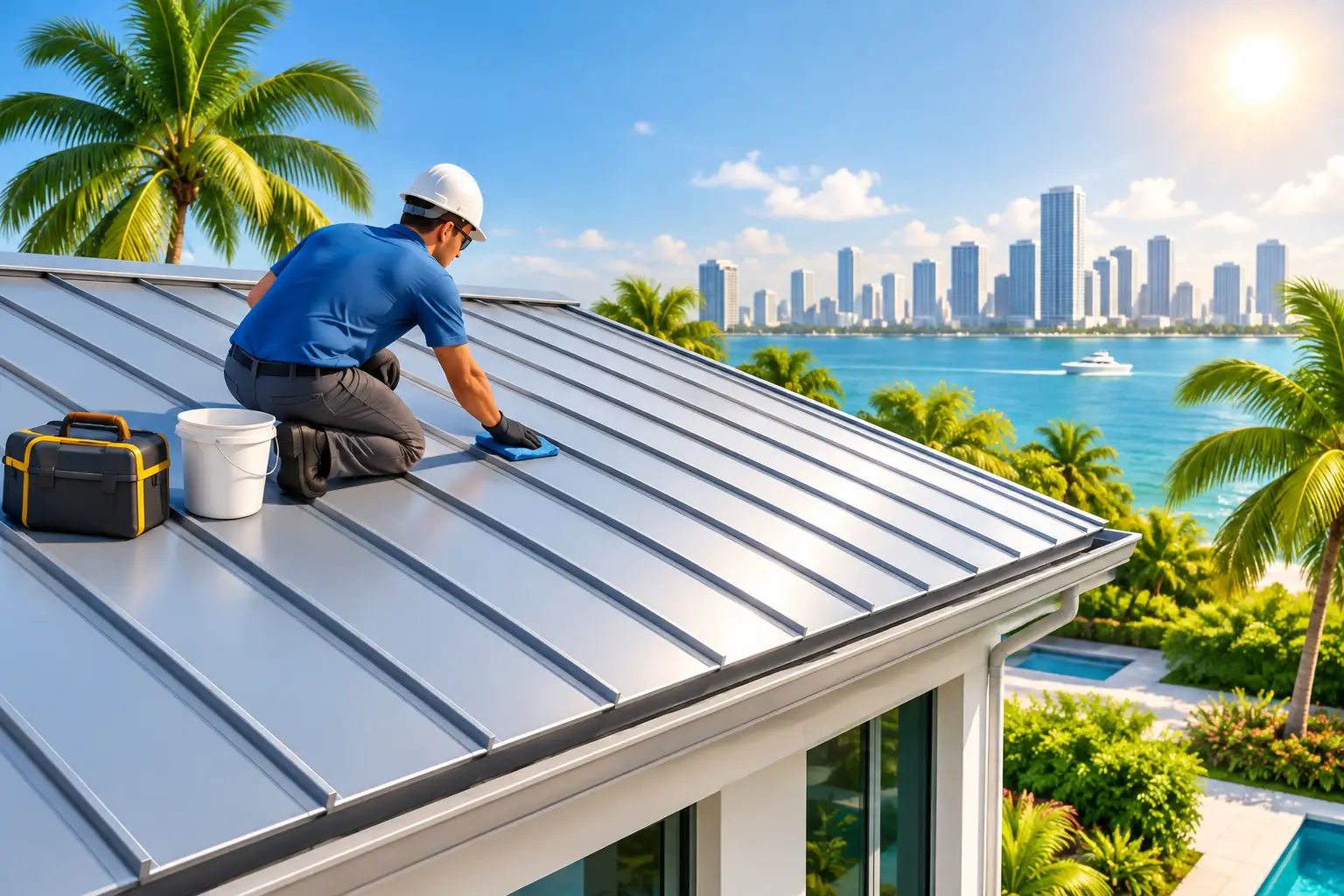
A metal roof can handle a lot, but Miami weather tests every part of it. Salt air works into exposed metal, UV heat breaks down sealants, and a single hurricane can loosen fasteners or flashings that looked fine the day before. Knowing how to maintain metal roofs means catching those small issues before water finds its way into the building.
The good news is that metal roofing is durable when it is maintained with the right approach. The wrong approach, such as aggressive pressure washing, walking carelessly across panels, or covering corrosion with a quick patch, can shorten its service life. For homes, condos, warehouses, and commercial buildings in Miami-Dade, maintenance should focus on drainage, coatings, connections, and the areas where dissimilar materials meet.
Start With Safe, Scheduled Inspections
A metal roof should be inspected at least twice a year: once before hurricane season and once after it. It should also be checked after any major wind event, prolonged heavy rain, or construction work near the roof.
From the ground, look for loose trim, lifted panels, sagging gutters, damaged soffits, or branches resting on the roof. Inside the building, check ceilings, attic spaces, and upper walls for water stains, damp insulation, peeling paint, or a musty smell. A leak may travel along a panel or structural member before it becomes visible inside, so the stain is not always directly below the roof problem.
A close roof inspection should be handled carefully. Metal panels can be slippery from moisture, algae, or morning condensation, and stepping in the wrong place can dent a panel or damage its coating. A licensed roofing professional can inspect the full system, document what is found with photos, and explain whether a repair is needed now or simply worth monitoring.
Keep Drainage Paths Clear
Standing water is never a good sign, even on metal roofs built with low-slope sections. Miami’s heavy rain can overwhelm gutters and drains quickly when leaves, seed pods, palm debris, or construction dust collect at the roof edge.
Clear gutters, downspouts, scuppers, valley channels, and roof drains on a regular schedule. Pay close attention to areas behind rooftop equipment, around parapet walls, and where one roof plane meets another. Debris traps moisture against the panel surface and can hide early corrosion, especially near cut edges and fasteners.
Do not use metal tools that can scratch the roof finish. A plastic scoop, soft brush, or low-pressure rinse is usually the safer choice. If water is backing up, do not assume the gutter is the only issue. The slope, drain size, outlet condition, and surrounding roof details may all need to be evaluated.
Watch for Ponding Around Penetrations
Vent stacks, skylights, HVAC curbs, solar mounts, and pipe penetrations need extra attention. These are common leak locations because they rely on flashing, sealant, and mechanical connections working together. Water that sits around a penetration accelerates sealant failure and exposes weaknesses during wind-driven rain.
If a flashing is lifting or sealant is cracked, do not keep adding caulk over the top. The root cause may be movement, loose fasteners, poor original detailing, or corrosion beneath the flashing. The repair has to address the failed detail, not just hide it.
Control Salt, Dirt, and Organic Growth
Salt exposure is one of the biggest differences between metal roof maintenance in Miami and maintenance in inland areas. Salt can settle on the roof without being obvious. Combined with humidity and rainwater, it can wear down protective coatings and create corrosion around scratches, panel edges, and exposed hardware.
A periodic rinse with clean water helps remove surface salt, dust, and pollen. Frequency depends on the property. A building near Biscayne Bay, the beach, or an industrial area may need more frequent cleaning than a home farther inland with good tree clearance.
Use only cleaning products approved for the specific roof finish. Strong acids, harsh solvents, abrasive pads, and chlorine-heavy mixtures can damage paint systems, fade color, or weaken protective coatings. Pressure washing can also force water under overlaps and flashings if used at the wrong angle or pressure.
Algae and mildew do not always damage metal directly, but they hold moisture and make the surface unsafe to walk on. If organic growth keeps returning, look for shade, clogged drainage, nearby overhanging trees, or an area where water is not shedding properly.
Inspect Fasteners, Seams, and Flashings
Metal roofs expand and contract as temperatures rise and fall. In South Florida heat, that movement is not minor. Over time, exposed fasteners can back out, washer seals can dry out, and seams can open enough to let wind-driven rain pass through.
Look for missing screws, screws sitting crooked, rusted fastener heads, cracked neoprene washers, or dark rings around fasteners. A dark ring may indicate that water has been sitting around the connection. Replacing a few failed screws early is much easier than repairing wet decking, insulation, or interior finishes later.
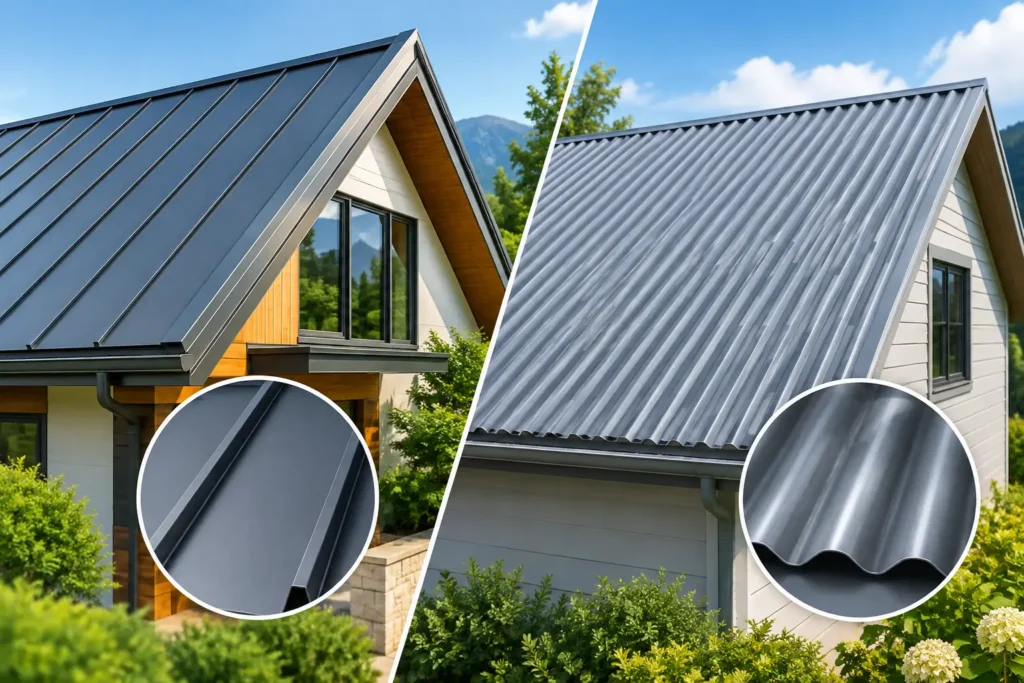
Seams deserve the same attention. On standing seam systems, inspect clips, seam integrity, ridge caps, and transitions. On screw-down or corrugated metal roofs, inspect every exposed fastener line, overlap, closure strip, and end lap. The maintenance details differ by system, which is why a generic repair method can create more problems than it solves.
Flashing at walls, chimneys, roof edges, valleys, and equipment curbs should remain firmly attached and properly sealed. Hurricane-force winds often reveal weak edge details first. If trim is loose, panels are lifting, or flashing has bent, schedule repairs before the next storm instead of waiting for a leak.
Protect the Coating Before Corrosion Spreads
A quality metal roof coating reflects heat, protects the panel finish, and provides another line of defense against moisture. But coatings are not permanent. UV exposure, salt, foot traffic, standing water, and movement at seams can wear them down.
Look for fading, chalking, blisters, peeling, bare spots, scratches, and red or brown staining. Small scratches can often be addressed before corrosion spreads. Once corrosion gets under a coating, simply painting over it may trap the problem instead of stopping it.
Preparation determines whether a coating repair lasts. The affected area may need cleaning, rust treatment, primer, seam reinforcement, and a compatible coating system. The right material depends on the existing roof type and finish. Acrylic, silicone, polyurethane, and elastomeric products all have different strengths, and they are not interchangeable.
Be Careful With Roof Access and Added Equipment
Many avoidable metal roof problems start with someone else working on the roof. HVAC technicians, satellite installers, solar crews, painters, and maintenance workers may create punctures, crush panels, loosen flashings, or use incompatible sealants without realizing it.
Set clear access rules. Workers should use designated walk paths where possible, avoid dragging equipment, and never fasten new equipment directly through panels without an approved mounting method. Any new penetration needs proper flashing and should be checked after the work is complete.
Tree branches should also be trimmed back. Branches can scrape away the roof finish, clog gutters, and become dangerous projectiles during a hurricane. Keep nearby limbs clear enough that they cannot rub against the roof in normal wind.
When a Small Issue Needs Professional Repair
Call for a professional assessment if you see active leaking, widespread corrosion, lifted panels, loose flashing, damaged seams, recurring sealant failure, or rust around multiple fasteners. The same applies if the roof has been through a major storm and looks fine from the ground. Wind damage is often subtle until the next hard rain.
For commercial properties, keep inspection records and photos. They help property managers plan repairs, document storm-related conditions, and avoid surprise costs. For homeowners, that same documentation provides clarity: what is urgent, what can wait, and what work is actually necessary.
Flash Roofing & Sheet Metal approaches metal roof maintenance the way it should be handled in Miami – with a close look at the cause, clear photo documentation, and honest recommendations instead of mystery repairs. A well-maintained metal roof does not need constant attention, but it does need the right attention at the right time. Address the small signs early, and your roof has a far better chance of standing up to the next season of heat, salt, and storms.