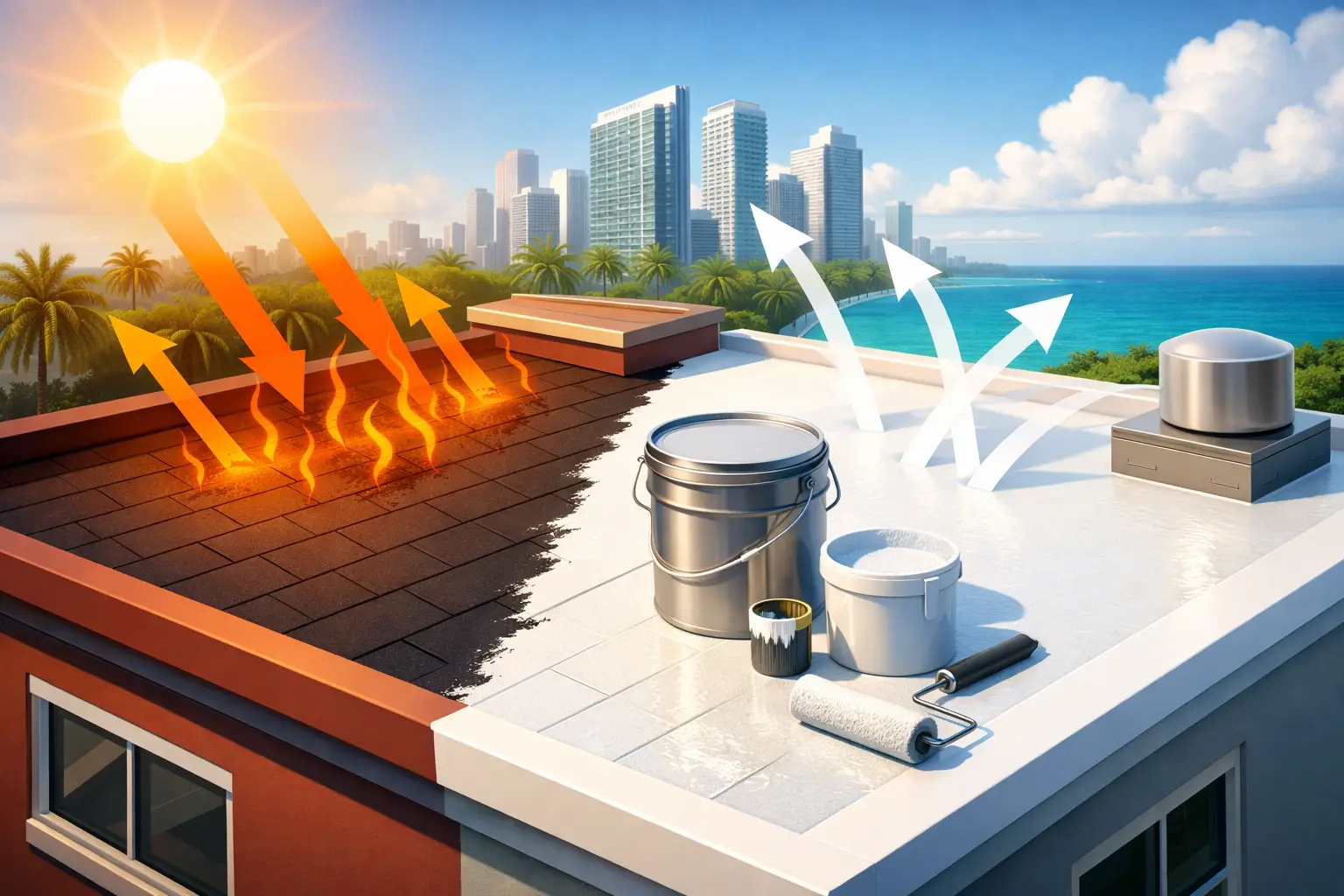
A Miami roof can hit temperatures far beyond the number on the weather app. On a flat commercial roof, that heat can bake seams, dry out older materials, and push indoor cooling costs higher. The best roof coatings for heat can make a real difference, but only when the coating matches the existing roof and the roof is still a good candidate for restoration.
A coating is not a shortcut around leaks, loose flashing, trapped moisture, or storm damage. It is a protective roofing system that needs proper surface preparation, compatible materials, and enough dry weather to cure correctly. Done right, a reflective coating helps a roof shed heat and stand up better to Miami’s UV exposure, humidity, heavy rain, and salt air.
What Makes a Roof Coating Effective Against Heat?
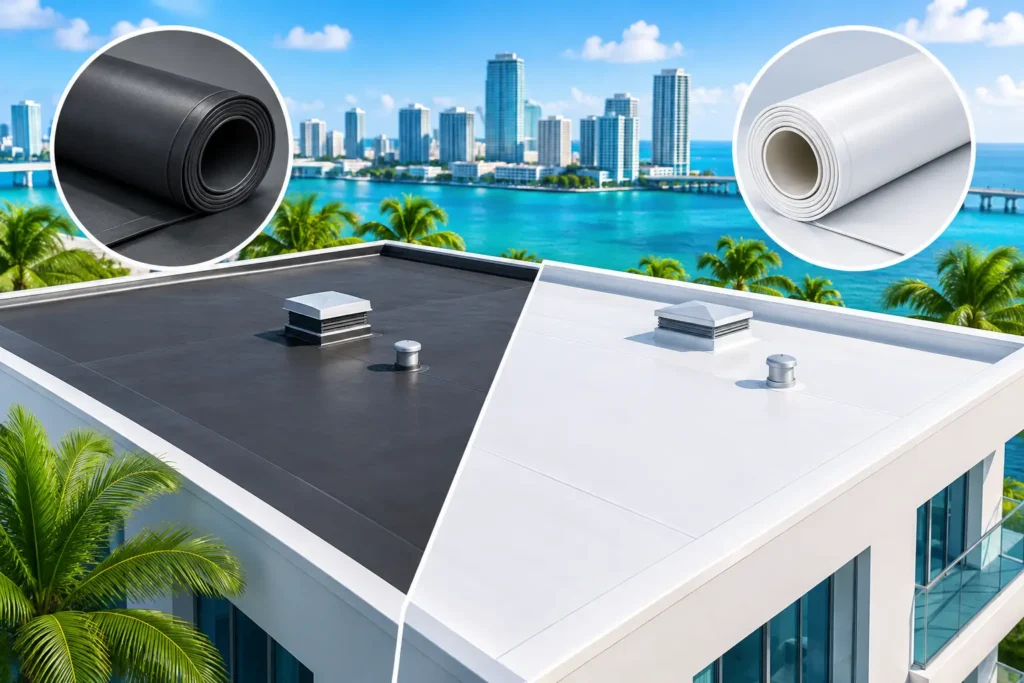
The strongest heat-reducing roof coatings are usually light-colored, most often white. Their job is to reflect sunlight instead of absorbing it into the roof surface. This can lower roof-surface temperatures significantly on clear South Florida days, which reduces thermal stress on the roof membrane below.
Heat performance is not just about color, though. A coating must stay flexible as the roof expands in the afternoon and cools after rain. It needs adhesion strong enough to resist wind-driven rain, and it must work with the roof material already in place. A bright white product applied over a failing roof may look better for a while, but it will not solve the reason that roof is failing.
For Miami properties, we also look at drainage. Our rainy season is not forgiving. Water that remains on a low spot can shorten the life of the wrong coating, even if the coating has excellent reflectivity.
The Best Roof Coatings for Heat Depend on Your Roof
There is no single coating that belongs on every roof. The right choice depends on whether you have a low-slope membrane roof, metal roof, tile roof, or another system entirely.
Acrylic Elastomeric Coatings for Drying, Reflective Coverage
White acrylic elastomeric coatings are a common choice for flat and low-slope roofs that drain well. They offer strong solar reflectivity, can help lower roof temperatures, and remain flexible through normal movement. For many commercial roofs and residential flat roofs in Miami, acrylic is a practical restoration option when the existing substrate is sound.
The trade-off is standing water. Acrylic coatings are generally best on roofs with positive drainage. If water ponds repeatedly after storms, the surface needs to be evaluated first. Drainage corrections, tapered areas, or a different coating system may be necessary. Applying acrylic over ponding areas without addressing the water is the kind of quick fix that creates a bigger repair later.
Silicone Coatings for Ponding Water Areas
Silicone roof coatings are often a better fit for low-slope roofs where ponding water is difficult to eliminate. Silicone handles prolonged moisture better than many acrylic systems and provides excellent UV resistance, which matters under Miami sun.
Silicone is not automatically the best answer for every flat roof. It can attract dirt over time, which may reduce reflectivity, and future recoating requires the right preparation and compatible materials. It also needs careful application at drains, seams, penetrations, and roof edges. Those details are where many coating jobs either perform for years or begin to fail early.
Polyurethane Coatings for Tough, High-Use Roof Areas
Polyurethane coatings are known for durability and impact resistance. They can be useful on roofs with regular foot traffic, equipment service paths, or surfaces that need extra toughness. In some systems, a polyurethane base coat is paired with a reflective topcoat to combine strength with heat reduction.
This option can cost more than a basic acrylic coating, but it may be worth it for a commercial building with frequent HVAC access or a roof exposed to physical wear. The right system is based on the actual traffic and roof condition, not on selling the most expensive product.
Metal Roof Coatings for Heat and Corrosion Protection
Metal roofs are excellent candidates for reflective coatings when they are structurally sound and not badly corroded. A properly specified coating can help reduce heat gain while protecting exposed metal from moisture and salt air. This is especially valuable near the coast, where corrosion can spread quickly around fasteners, seams, and damaged finish areas.
Preparation is the real work on a metal roof. Rust must be treated, loose fasteners replaced, seams sealed, and any failing panels identified before coating begins. Coating over active rust or an open seam only hides the problem temporarily. A careful inspection tells you whether restoration makes sense or whether sections need repair or replacement first.
Can Tile and Shingle Roofs Be Coated?
Tile and shingle roofs need a more cautious approach. A coating is not a standard answer for every residential roof, especially if the roof has broken tiles, failing underlayment, missing shingles, or active leaks. The water-shedding layer beneath the surface material may be the real issue.
Some tile roofs can receive specialty coatings after repairs and thorough cleaning, but the product must be appropriate for the tile and should not interfere with drainage or create an artificial seal over problem areas. On shingle roofs, coatings are often not the preferred solution. If shingles are aging, curling, losing granules, or lifting in wind, repair or replacement is usually the more honest recommendation.
Heat control for these roofs may also involve attic ventilation, insulation, and lighter-colored replacement materials. The goal is not to coat every roof. The goal is to choose the repair or restoration that will hold up in South Florida weather.
A Roof Coating Is Only as Good as the Preparation
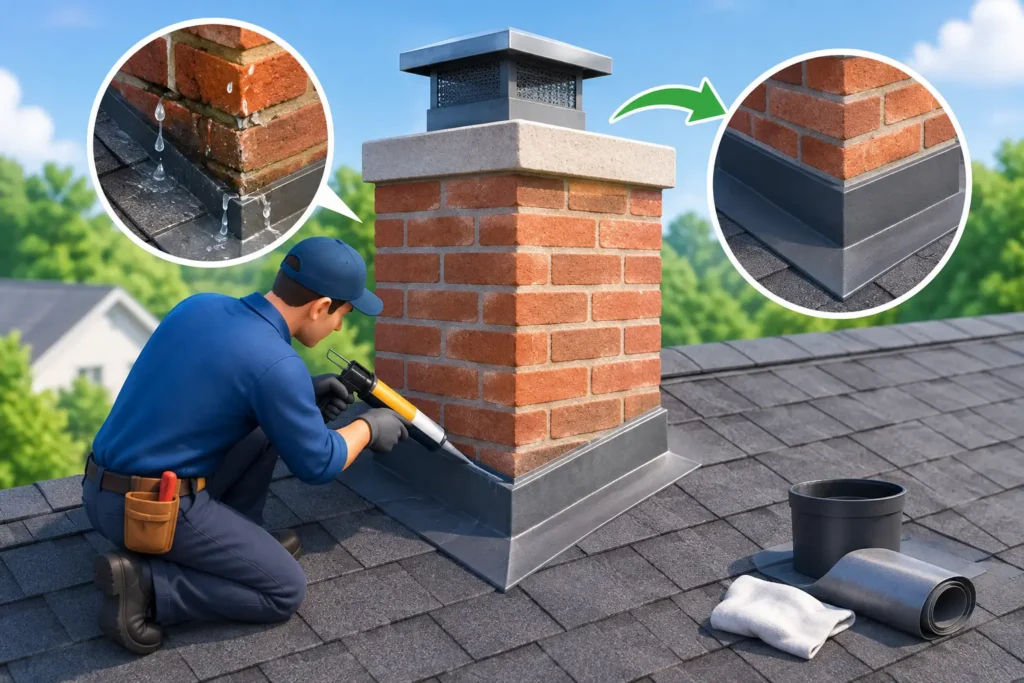
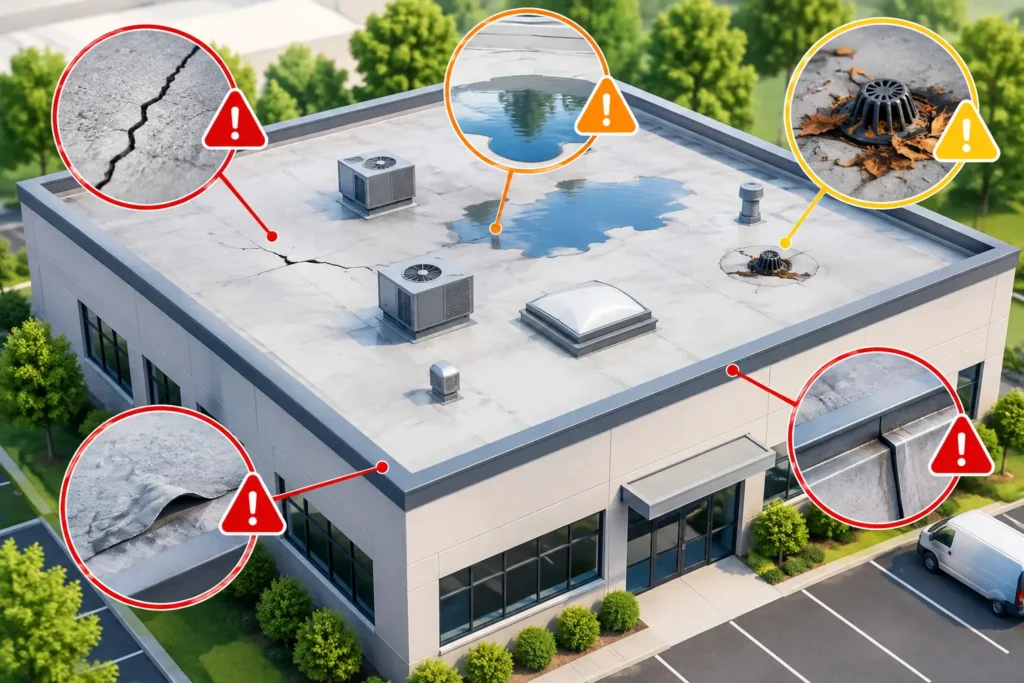
The most important part of a coating project often happens before the first coat goes down. The roof should be cleaned thoroughly, dried, inspected, and repaired. Cracks, seams, penetrations, drains, flashing, and roof edges all need attention. Depending on the system, the work may include primer, fabric reinforcement, rust treatment, or a thicker coating application in vulnerable areas.
A proper contractor should also check for wet insulation or moisture below the roof surface. Coating over trapped moisture can lead to blisters, adhesion loss, and recurring leaks. Photo documentation before and during the work gives you proof of what was repaired, not just a fresh white surface after the fact.
In Miami, application timing matters too. Rain, humidity, surface moisture, and curing conditions all affect the result. A crew that understands local weather patterns plans around them rather than rushing a job because a coating bucket has already been opened.
When a Coating Is the Right Investment
A roof coating can be a smart investment when the roof is aging but still structurally sound, the existing membrane or metal panels are repairable, and the property needs better heat reflection without the cost and disruption of a full replacement. It can extend service life, improve appearance, and provide another layer of protection when installed as a complete system.
It is not the right investment when leaks are widespread, the roof deck has moisture damage, the membrane is badly deteriorated, or the roof has reached the end of its usable life. In those cases, spending money on a coating may delay a necessary replacement while allowing the underlying damage to grow.
A straightforward inspection should give you that answer. At Flash Roofing & Sheet Metal, we look for the root cause, explain what the roof needs, and provide clear photos and pricing without mystery fees. A coating should protect a roof that still has life left – not cover up a roof that needs real repair.
Before choosing a product, have the roof evaluated in the heat, rain, and wind conditions it actually faces. The best coating is the one that fits your roof, handles Miami weather, and is installed correctly the first time.