A membrane roof can look simple from the ground: a clean, low-slope surface with a few drains, vents, and HVAC units. But in Miami, that surface is working overtime. It must withstand punishing UV exposure, standing water after tropical downpours, wind uplift during storms, and salt-heavy air that attacks exposed metal details. This guide to membrane roofing systems explains what property owners need to know before repairing, coating, or replacing a flat or low-slope roof.
The right membrane is only part of the job. The deck condition, insulation, drainage, flashing, edge metal, fastening pattern, and workmanship all determine whether a roof holds up or becomes a recurring leak problem. Do it once, do it right.
What Is a Membrane Roofing System?
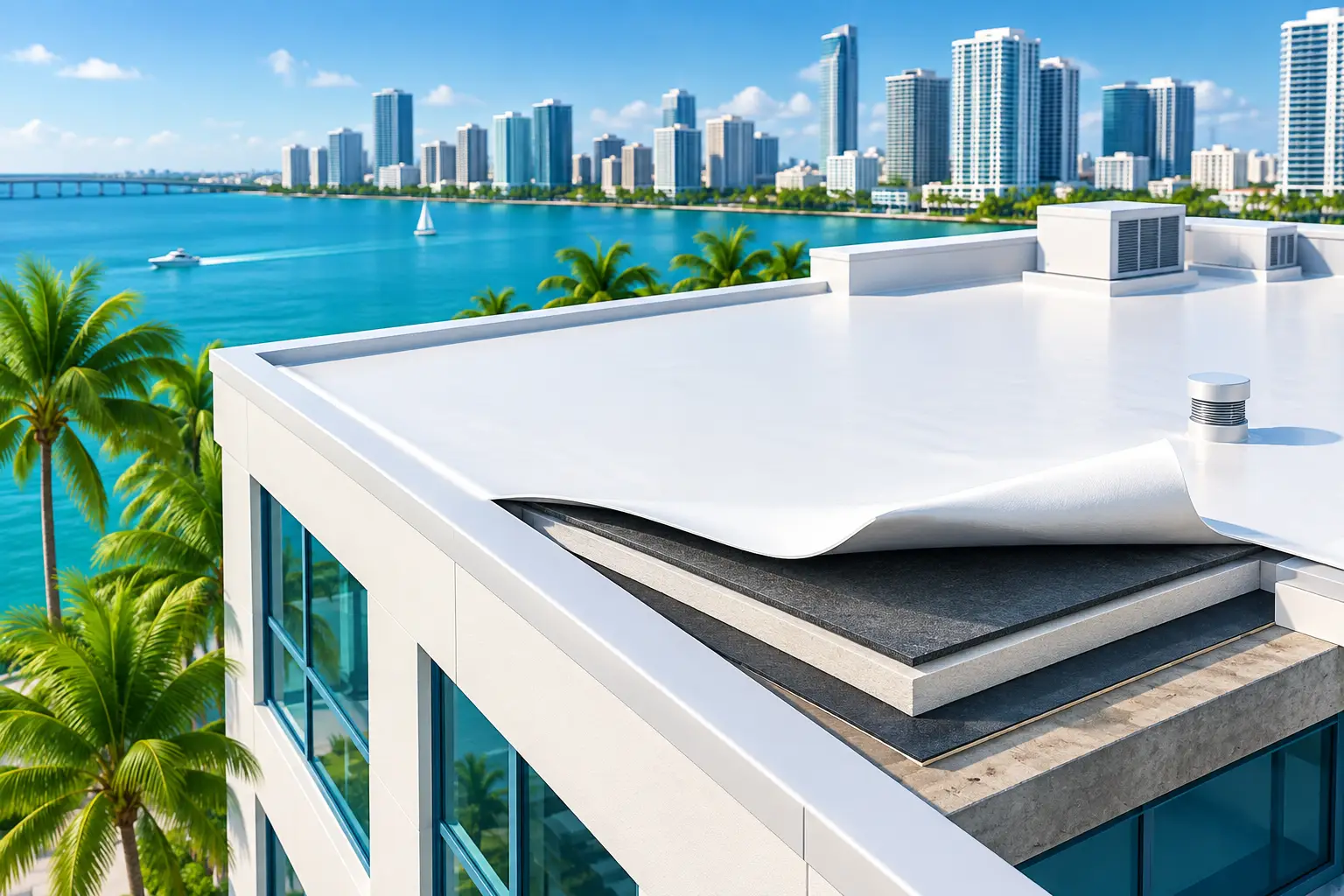
Membrane roofing is designed for flat and low-slope roofs, including commercial buildings, apartment properties, warehouses, offices, garages, additions, and some modern homes. Rather than relying on overlapping shingles to shed water, a membrane system creates a continuous water-resistant layer across the roof surface.
A complete system usually includes a roof deck, insulation or cover board, the membrane itself, seams, flashings around penetrations, and termination details at walls and edges. Drains, scuppers, and gutters also matter. A high-quality membrane will not solve a drainage issue that leaves water sitting on the roof week after week.
In South Florida, membrane roofs are common because they can cover broad, low-slope areas efficiently. They also offer options for reflective surfaces that reduce heat absorption. Still, not every membrane is the right fit for every property or budget.
The Main Types of Membrane Roofing
TPO roofing
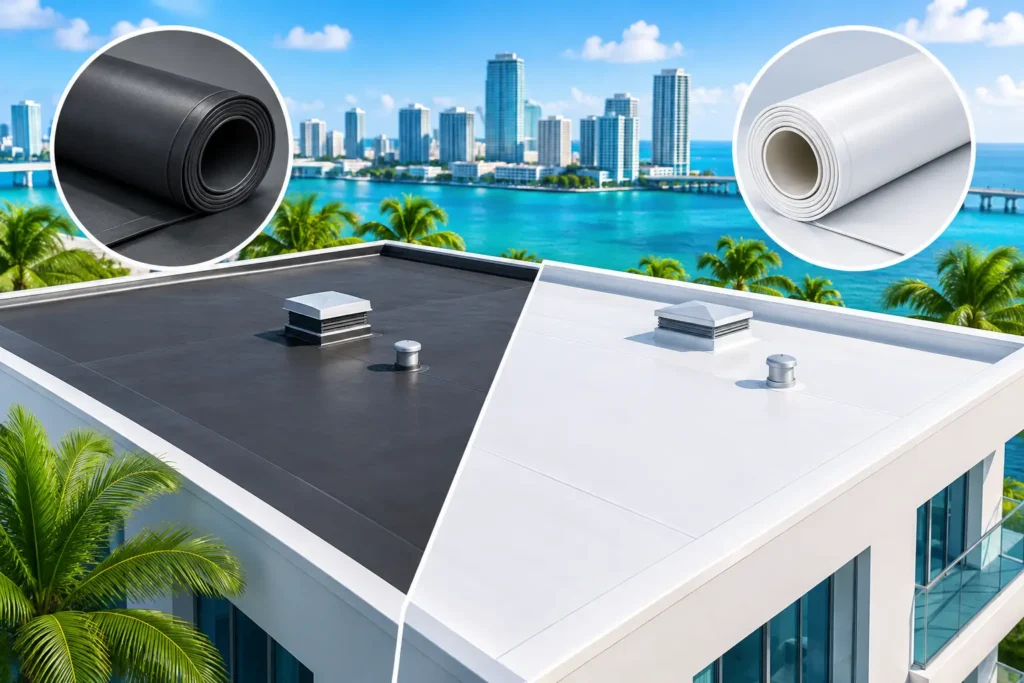
TPO, or thermoplastic polyolefin, is a popular single-ply membrane, often white and reflective. Its seams are heat-welded, creating a strong bond when installed correctly. For Miami property owners, its reflective surface can help reduce roof temperatures and limit UV stress.
TPO is often a practical choice for commercial flat roofs because it is cost-conscious, lightweight, and available in different thicknesses. The trade-off is that material quality and installation standards vary. Thin material, poorly welded seams, or rushed flashing work can turn an affordable roof into an expensive headache. The manufacturer, membrane thickness, attachment method, and installer experience all deserve a close look.
PVC roofing
PVC is another heat-welded single-ply membrane. It is known for strong seam performance and good resistance to chemicals, grease, and oils, which can make it especially useful for restaurants, commercial kitchens, and buildings with rooftop exhaust concerns.
PVC typically costs more than TPO, but it can be worth considering when the roof faces tougher chemical exposure or when long-term seam reliability is a major priority. Like TPO, it performs best when the flashings and perimeter details are installed with the same care as the field membrane.
Modified bitumen roofing
Modified bitumen is an asphalt-based membrane system installed in layers. It can be applied with self-adhered sheets, cold-applied adhesive, or other approved installation methods. Many Miami buildings have modified bitumen roofs because the system has a long track record and can be well suited to roofs with complicated details.
This system can be durable and repairable, but the quality of the installation still controls its performance. Seams, transitions, drains, and wall flashings require careful attention. A reflective coating may also be used over certain modified bitumen systems to help manage heat exposure, provided the roof is dry, sound, and compatible with the coating.
EPDM roofing
EPDM is a synthetic rubber membrane commonly used on low-slope roofs in many parts of the country. It is valued for flexibility and durability. In South Florida, however, white reflective systems such as TPO or PVC are often more attractive for managing intense sun and heat.
EPDM can still be appropriate in specific applications. The right answer depends on the building design, roof layout, energy goals, existing system, and the details needed around penetrations and edges.
How Miami Weather Changes the Decision
A membrane roof in a mild, dry climate is not facing the same conditions as one in Miami-Dade County. Here, the sun can age exposed materials quickly. High humidity can trap moisture in compromised roof assemblies. Wind-driven rain can find small defects in seams or flashings. Salt air can corrode fasteners, metal coping, and edge components if the wrong materials are used.
Hurricane-force winds also change how a roof should be designed and installed. Wind does not pull evenly across a roof. Perimeters and corners experience higher pressure, which is why fastening patterns, adhesives, edge metal, and termination bars must be selected and installed for the building’s wind requirements. A cheap installation that cuts corners at the edges may look fine until the next major storm.
Local code requirements, roof height, exposure category, deck type, and the specific system approval all affect the right assembly. A contractor should explain these factors plainly, not hide behind roofing jargon or promise that one product works for every building.
Repair, Restoration, or Replacement?
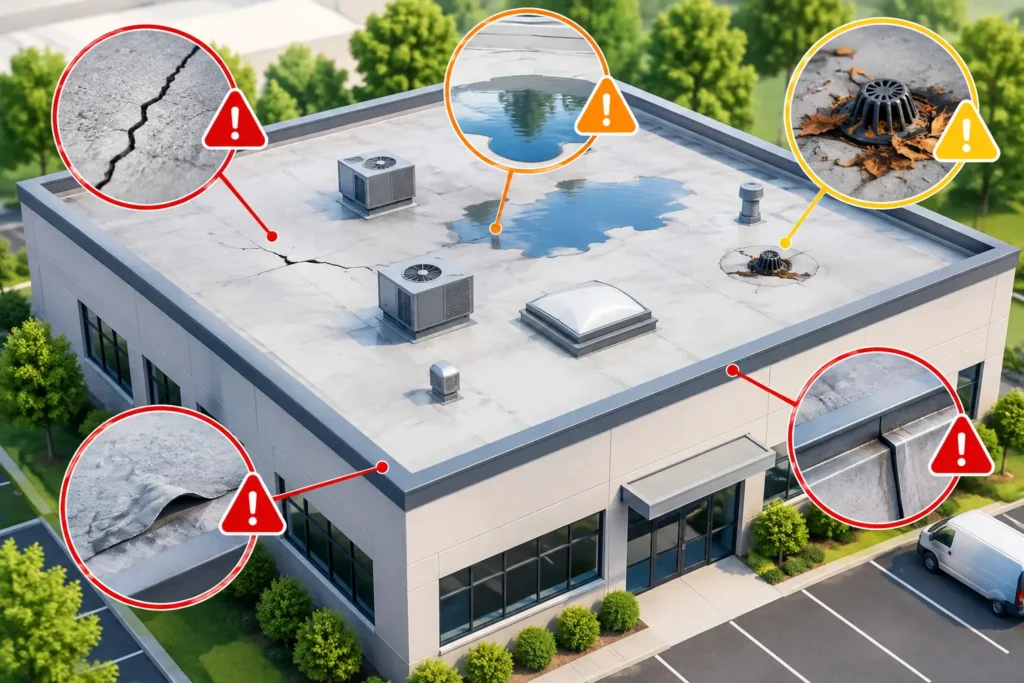
Not every membrane roof needs to be replaced at the first sign of a leak. A focused repair may make sense when the membrane is generally in good condition and the issue is isolated to a puncture, open seam, damaged flashing, drain detail, or rooftop equipment penetration.
Restoration or coating can be a good option when the existing roof is dry, stable, and nearing the point where added UV protection would extend its service life. Before coating anything, the roof should be inspected for trapped moisture, loose material, weak seams, deteriorated flashings, and drainage problems. Coating over wet insulation or active leaks is a cover-up, not a repair.
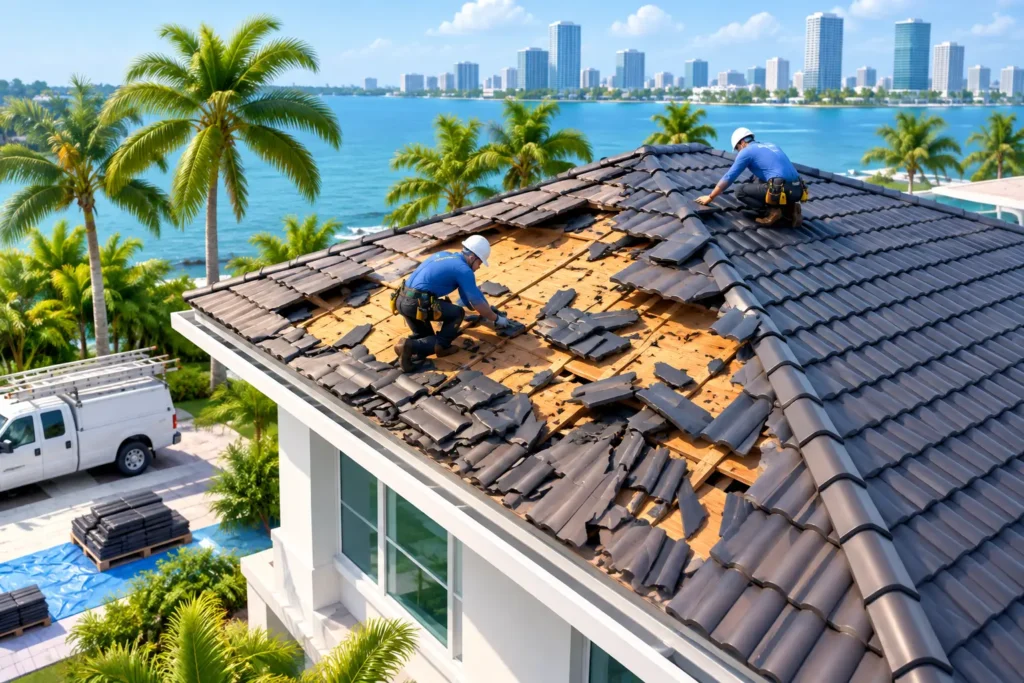
Replacement is usually the honest recommendation when the roof has widespread seam failure, saturated insulation, repeated leaks in different areas, major storm damage, or an aging system that has reached the end of its useful life. A proper inspection may include photo documentation, moisture checks where needed, and a close look at the roof edges and penetrations. That gives you evidence for the recommendation instead of a guess.
What a Proper Membrane Roof Installation Looks Like
A dependable installation begins with preparation. The crew needs to assess the existing deck, remove failed materials when required, and address wet or damaged substrate before installing a new system. Cover boards and insulation should be installed correctly so the membrane has a stable, compatible surface beneath it.
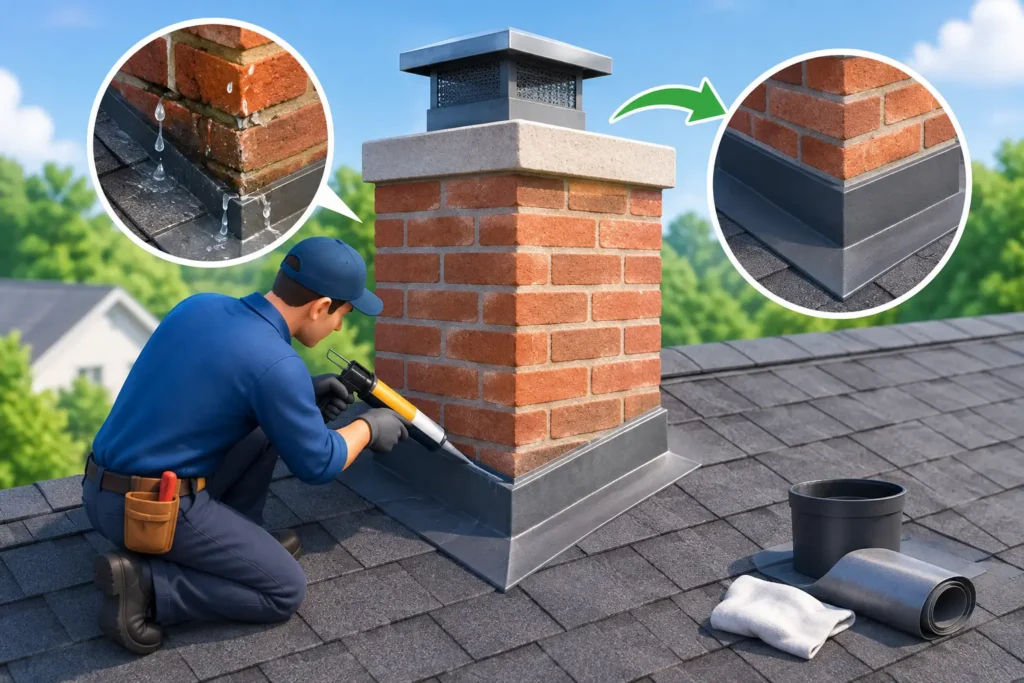
The membrane must be attached according to the approved system design, whether mechanically fastened, fully adhered, or ballasted where appropriate. Heat-welded seams need consistent, tested welds. Flashings at pipes, curbs, walls, drains, skylights, and equipment supports must be formed for that specific detail, not patched together from leftover material.
The roof perimeter deserves special attention. Edge metal and terminations are not cosmetic finishing touches. They help protect the membrane from wind uplift and water intrusion. In South Florida, this is one area where experienced workmanship pays for itself.
Maintenance That Helps a Membrane Roof Last
Membrane roofs need maintenance, even when there is no visible leak. At least twice a year, and after major storms, the roof should be checked for debris, clogged drains, ponding water, loose flashings, open seams, punctures, and corrosion around metal components.
Building owners should also watch what happens after service crews access the roof. HVAC work, satellite installation, plumbing repairs, and foot traffic can damage a membrane. A small puncture may not be obvious until water travels beneath the surface and stains an interior ceiling far from the actual opening.
Keep records of inspections, repairs, storm events, and photos. This is useful for planning maintenance, protecting warranties, and supporting insurance documentation after severe weather.
Choosing a Contractor Without the Mystery Fees
Ask for a clear explanation of the proposed membrane system, including the material type, thickness, attachment method, insulation scope, flashing work, drainage corrections, and edge details. You should also know whether the quote includes tear-off, disposal, permits, and repairs to damaged decking.
Be cautious with a quote that is dramatically lower than the others but does not explain the system. Roofing shortcuts are usually hidden in the materials below the surface or in the details around the roof perimeter. Those are the same areas that tend to fail first in heavy rain and high winds.
Flash Roofing & Sheet Metal approaches membrane work with the conditions of Miami in mind: find the root cause, document what is happening, and recommend the work the roof actually needs. No pressure and no mystery fees.
A membrane roof should give you confidence when the forecast turns ugly. Start with a thorough inspection, ask for proof behind the recommendation, and choose a system built for your building rather than a one-size-fits-all patch.